






Everyone says they want to visit “Spain and Portugal” like it’s one destination. It’s not. And if you’re trying to decide between Lisbon and Barcelona for your next trip, you’re comparing two cities that couldn’t be more different in personality, price, and pace.
I’ve spent weeks in both cities across multiple trips. Barcelona is electric, loud, and unapologetically Mediterranean. Lisbon is moody, layered, and will absolutely destroy your calves with its hills. Both are excellent. But one of them is probably *more* your city than the other. Here’s how they actually stack up.
Cost of Living and Travel Budget
This one isn’t even close. Lisbon wins by a mile. A solid dinner for two with wine in Lisbon runs about 40-50 euros. That same meal in Barcelona? You’re looking at 70-90 euros, minimum. Coffee in Lisbon is still under 1 euro at most neighborhood spots. In Barcelona, you’ll pay 2-3 euros and feel like you got a deal.
Accommodation follows the same pattern. A nice boutique hotel in Alfama might cost you 120-150 euros per night. The equivalent in the Gothic Quarter? 200-280 euros. Lisbon’s metro costs 1.50 euros per ride. Barcelona’s is 2.40 euros.
If budget matters to you at all, Lisbon on a budget is genuinely doable without feeling like you’re slumming it. Barcelona on a budget requires more strategy.
Food and Dining
Both cities will feed you *extremely* well, but in completely different ways.

Lisbon is all about simplicity done perfectly. Grilled sardines with sea salt, bacalhau in about 400 different preparations, pasteis de nata that shatter when you bite into them. The food here doesn’t try to impress you. It just *is* impressive.
Barcelona’s food scene is flashier. The tapas culture is alive and well (go to La Boqueria early before the cruise ship crowds, or skip it entirely for Mercat de Sant Antoni). Patatas bravas, pan con tomate, jamón ibérico sliced paper-thin. And then there’s the whole molecular gastronomy thing if that’s your scene.
My honest take? Lisbon’s food is more consistently good at every price point. Barcelona has higher highs but also more tourist traps waiting to charge you 18 euros for sad paella.
Beaches
Barcelona has the obvious advantage here. You can literally walk from the Gothic Quarter to Barceloneta Beach in 15 minutes. Having a city beach changes the whole vibe of a trip. You can do a museum in the morning and be in the sand by 2pm.

Lisbon doesn’t have city beaches, but it has something even better. Take the train 20-30 minutes to Cascais or Costa da Caparica and you’ll find beaches that are *actually beautiful*. Less crowded, cleaner water, better sand. Cascais is one of the prettiest beach towns in all of Europe. So Barcelona wins for convenience. Lisbon wins for quality. Your call.
Nightlife
Barcelona’s nightlife is legendary and exhausting. Clubs don’t really get going until 2am. Dinner starts at 10pm. The energy in El Born and El Raval on a Saturday night is something else entirely.
Lisbon’s nightlife is more intimate but just as fun. Bairro Alto is a maze of tiny bars where everyone spills out onto the streets. The LX Factory area has a more creative, laid-back scene. And the clubs in Cais do Sodré (especially Pensão Amor) have a gritty charm that Barcelona’s mega-clubs can’t match.
If you want to party until sunrise with thousands of people, Barcelona. If you want to stumble between rooftop bars and hidden cocktail spots, Lisbon.
Architecture and Beauty
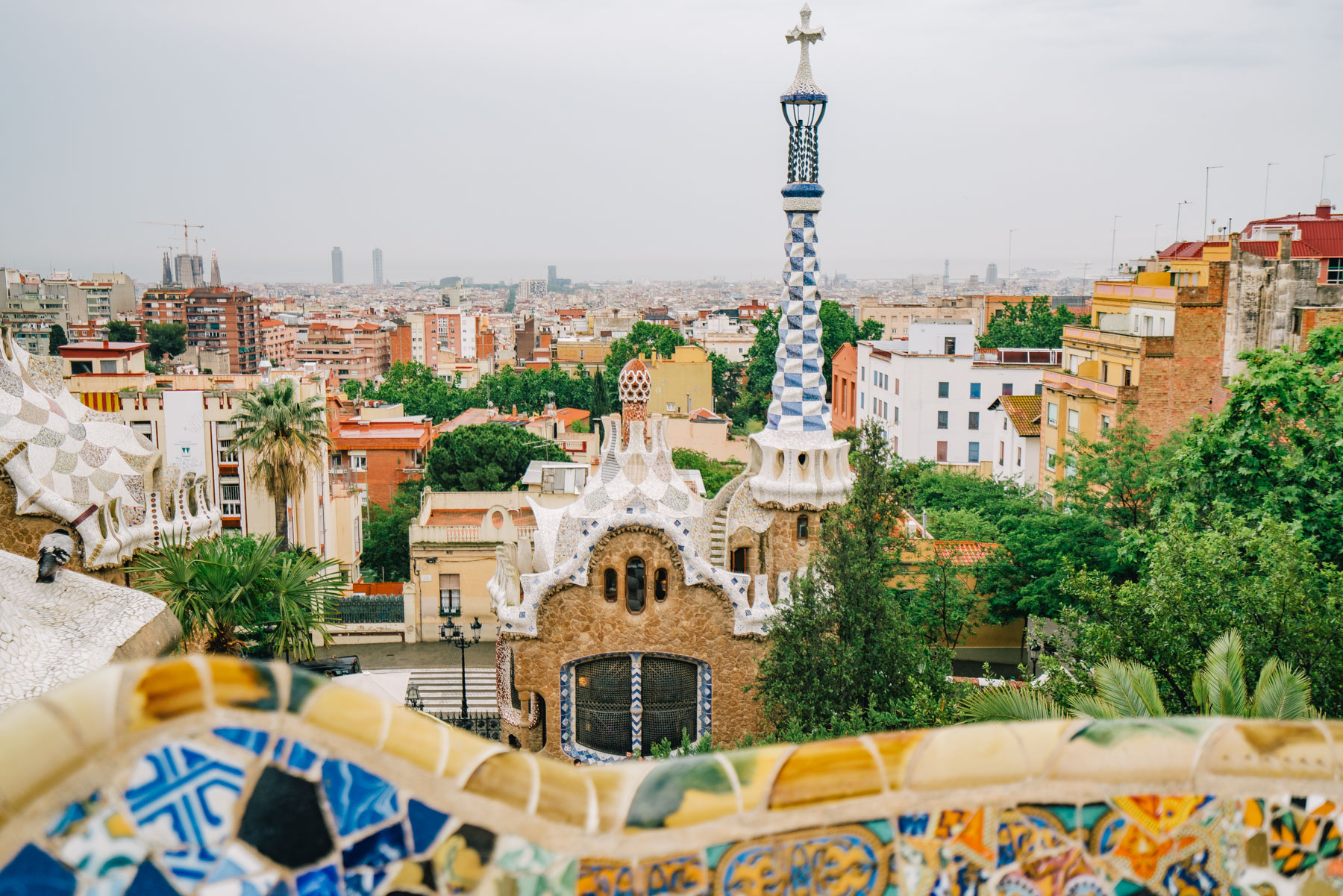
Barcelona has Gaudí. That’s basically a cheat code. La Sagrada Família alone is worth the trip, and I don’t say that lightly. Park Güell, Casa Batlló, Casa Milà. The man’s fingerprints are everywhere and they’re all gorgeous.
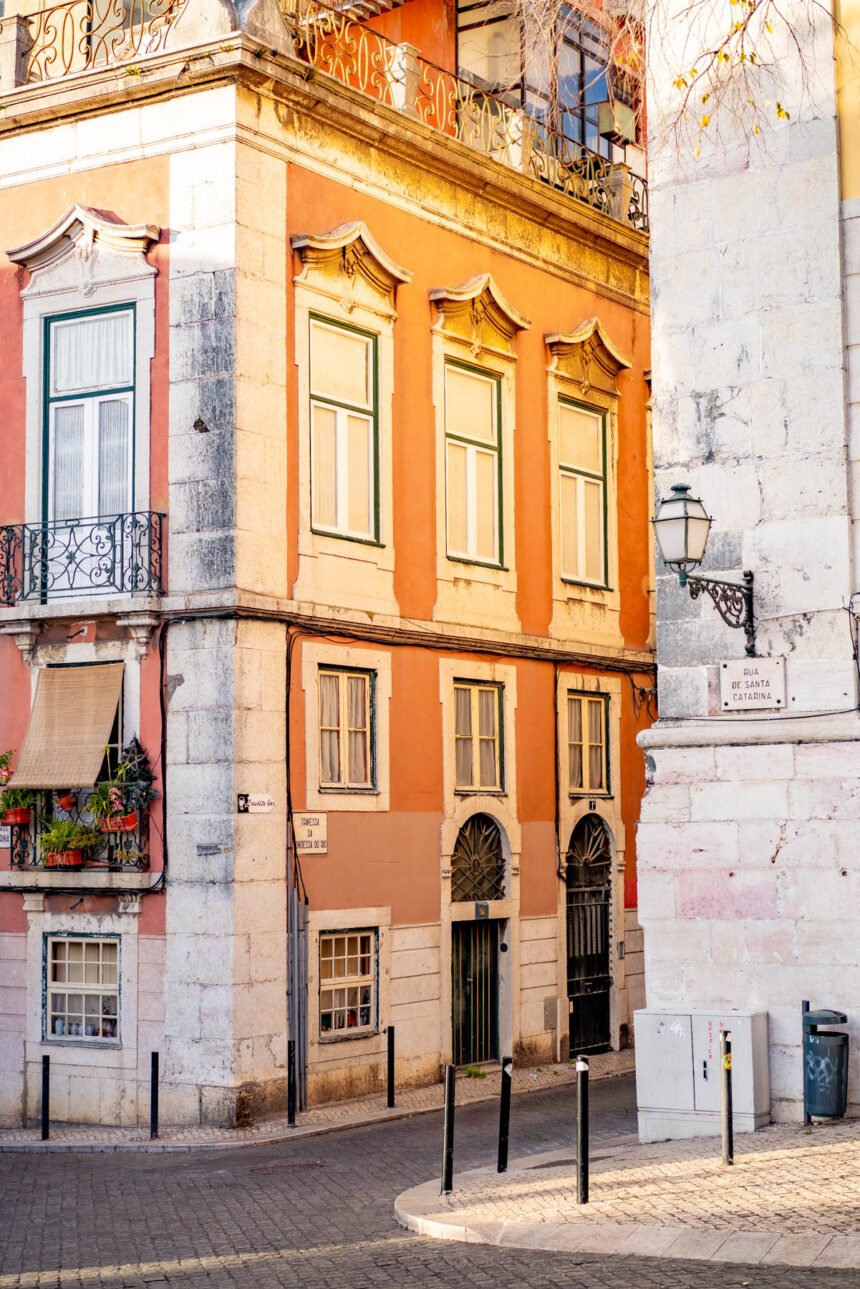
But Lisbon has something Gaudí can’t give you. The *azulejo* tiles covering entire building facades, the crumbling grandeur of Alfama, the way the light hits the Tagus River at golden hour. Lisbon looks like a faded painting that’s more beautiful because of the wear.
Barcelona is architecturally impressive. Lisbon is architecturally emotional. Both are valid, but they hit differently.
Don’t miss the best things to do in Lisbon if you lean toward that kind of layered beauty.
Day Trips
Both cities are excellent base camps, but Lisbon’s day trip game is *elite*.

Sintra is 40 minutes by train and it’s one of the most magical places in Europe. Colorful palaces set into misty mountains, overgrown gardens, sweeping Atlantic views. If you only do one day trip from Lisbon, make it Sintra.
Barcelona’s best day trip is probably Montserrat, the mountain monastery about an hour north. It’s impressive, but it’s more of a half-day trip than a full one. The Costa Brava (Tossa de Mar, Cadaqués) requires a car or a long bus ride.
Other Lisbon day trips that deliver: Cascais, Óbidos, Évora, and the Alentejo wine region. All easy. All worth it.
Weather
Both cities are warm and sunny, but with slightly different flavors. Barcelona gets hotter in summer. July and August regularly hit 32-35°C (90-95°F) with humidity that makes the metro feel like a sauna. Lisbon tops out around 28-30°C (82-86°F) with an Atlantic breeze that keeps things bearable.
Winters are mild in both, but Lisbon gets more rain from November through February. Barcelona’s winters are drier and slightly cooler. Spring (April-May) and fall (September-October) are perfect in both cities.
Check the best time to visit Lisbon for month-by-month details.
Getting Around

Barcelona’s grid system (thanks, Eixample) makes it one of the most walkable cities in Europe. The metro is excellent, clean, and goes everywhere you need it to. You genuinely never need a car.
Lisbon is walkable too, but those hills are no joke. The famous Tram 28 is a tourist attraction, not a practical way to get around (it’s packed and pickpocket central). The metro is smaller than Barcelona’s but covers the main areas. You’ll probably take more Ubers here, especially when your legs give out in Alfama. Flat feet prefer Barcelona. People who skip leg day will suffer in Lisbon.
Crowds and Overtourism
Both cities have overtourism problems, but Barcelona’s is worse. The city literally has anti-tourist graffiti and protests. Las Ramblas in August is a nightmare. Sagrada Família requires tickets weeks in advance.
Lisbon is catching up, especially in Alfama and Belém, but it still feels less overwhelmed. You can still find quiet neighborhoods (Graça, Principe Real) where tourists are rare. And if you avoid the common Lisbon mistakes, you’ll sidestep the worst of it.
Safety
Both cities are generally safe for travelers. Violent crime is rare in both. But petty theft, especially pickpocketing, is a real issue in Barcelona. La Rambla, the metro, and Barceloneta Beach are hotspots.
Lisbon has pickpockets too (Tram 28, Baixa), but it’s less aggressive. Overall, Lisbon *feels* safer, especially at night. Walking home through Alfama at midnight feels completely fine. I wouldn’t say the same about every part of Barcelona’s Raval neighborhood.
Best For…

Best for Foodies
If you want to eat incredibly well without thinking about prices, Lisbon wins. You will stumble into meals that would cost triple in Barcelona and feel like you are getting away with something. Barcelona has the edge in fine dining variety, but Lisbon is more consistently good at every price point.
Best for Couples
Lisbon, and it is not close. The rooftop bars overlooking terracotta rooftops, the golden hour light on the Tagus, the intimate scale of everything. It’s one of the most romantic cities in Europe. Where to stay in Lisbon matters here.
Best for Budget Travelers
Lisbon, and it is not even a contest. Your money goes 30-40% further on food, hotels, drinks, transport, everything. A week in Lisbon costs what four days in Barcelona does.
Best for First-Time Europe Visitors
Barcelona. It’s slightly easier to navigate, has more “bucket list” attractions, and the beach adds flexibility to your trip. But Lisbon is a *very* close second.
Best for Nightlife
Barcelona if you want to dance until 5am in a warehouse with a thousand strangers. Lisbon if you want to stumble between tiny bars in Bairro Alto with the whole street as your dance floor.
Best for Photography
Lisbon. It’s not even a competition. The light, the colors, the textures. Every corner is a photo.
Culture and Museums

Barcelona has the edge in sheer number of world-class museums. The Picasso Museum, MACBA, the Fundació Joan Miró, and the MNAC are all excellent. And then there’s the whole Gaudí experience, which functions as an open-air museum across the city.
Lisbon’s museum scene is smaller but punches above its weight. The MAAT (Museum of Art, Architecture and Technology) is architecturally impressive on the Tagus riverfront. The National Tile Museum traces the history of azulejos through centuries. The Berardo Collection has a surprisingly strong modern art collection that’s *free*.
But the real culture in both cities happens in the streets. Barcelona’s buskers on La Rambla (skip the tourist shops, just listen to the music). Lisbon’s fado houses in Alfama, where someone’s grandmother sings about longing and the ocean and you suddenly understand why the Portuguese invented the word *saudade*. There’s no English translation. You just have to feel it.
Fado is one of those things that either leaves you cold or changes you. I’d recommend Tasca do Chico in Bairro Alto for an authentic, no-frills experience. Show up at 9pm, buy two drinks minimum, and let the music wash over you.

Language and Getting By
English is widely spoken in both cities, especially in tourist areas. But there’s a meaningful difference in how locals feel about it.
In Barcelona, you’ll encounter three languages: Spanish (Castilian), Catalan, and English. The language politics here are real and deeply felt. Many signs are in Catalan first. Locals appreciate any attempt at Catalan, but Spanish works fine too. English is a reliable fallback.
In Lisbon, Portuguese is the only game in town, but almost everyone under 50 speaks English well. The Portuguese are generally delighted when tourists try even basic Portuguese phrases. “Obrigado/obrigada” (thank you) and “bom dia” (good morning) go a long way.
Neither city requires you to speak the local language. But in both, making the effort earns you better service, warmer interactions, and occasionally a free glass of port or cava.

The Vibe
This is the hardest thing to quantify but the most important difference.
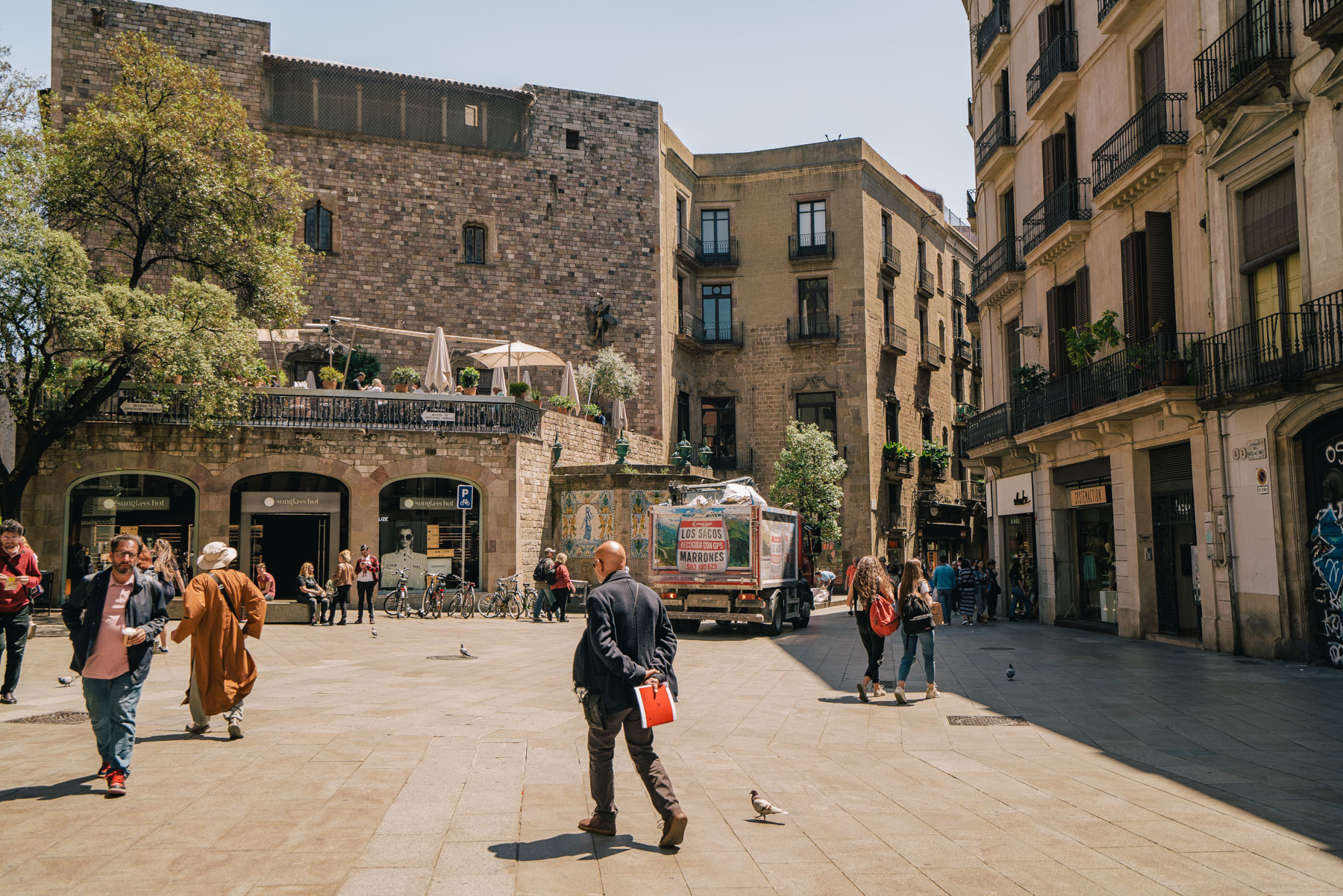
Barcelona feels *ambitious*. It’s a city that’s constantly reinventing itself, from the 1992 Olympics transformation to the current tech boom. The energy is kinetic. People are out, doing things, going places. The beach-to-city lifestyle creates a unique rhythm where you can surf in the morning and see world-class art in the afternoon.
Lisbon feels *contemplative*. It’s a city that sits with its history rather than running from it. The Age of Exploration, the 1755 earthquake that leveled the city, the Carnation Revolution of 1974. All of it is present in the architecture, the food, the music. Lisbon moves slower, thinks deeper, and doesn’t apologize for either.
Barcelona is the friend who drags you to a party at midnight and you end up having the time of your life. Lisbon is the friend who takes you to a rooftop bar at sunset and you end up having a conversation you’ll remember for years.

Both are exactly right. It just depends on what you need.
Digital Nomad and Remote Work Life
If you are working remotely, both cities are fighting for your laptop. But they are fighting with very different weapons.
Lisbon was one of the first European cities to fully embrace remote workers. Coworking spaces like Second Home and Outsite are everywhere, and the wifi in most cafes is legitimately fast. Portugal’s D7 visa makes it relatively easy to set up long-term. And when your monthly rent is 800-1,200 euros for a one-bedroom in a decent neighborhood, the math makes a *lot* of sense.
Barcelona’s remote work scene is bigger and more established, but it’s also more expensive. Coworking spaces run 200-350 euros per month versus 100-200 in Lisbon. Apartment rents have skyrocketed. A comparable one-bedroom in Eixample or Gràcia costs 1,200-1,800 euros. Spain’s digital nomad visa exists but the bureaucracy is more complex than Portugal’s.

For the pure economics of working remotely, Lisbon wins. For the lifestyle and social scene around it, Barcelona has more going on. Both will make you question why you ever worked in an office.
Which City Is Easier to Fly Into
Barcelona’s El Prat airport is a major international hub with direct flights from most North American and European cities. Getting into the city takes about 35 minutes by Aerobus (6.75 euros) or 25 minutes by taxi (about 39 euros flat rate).
Lisbon’s Humberto Delgado airport is smaller but has excellent connections. It’s also absurdly close to the city center, just 15-20 minutes by metro (1.50 euros) or 10 minutes by taxi (about 10-15 euros). Honestly, the ease of getting from Lisbon’s airport to your hotel is one of the best airport experiences in Europe.
For direct flights from the US, Barcelona has more options. But Lisbon’s TAP Portugal runs direct routes from Newark, JFK, Boston, Miami, and several other US cities. Neither city requires a connection through a major hub.

How to Do Both

If you have 10-14 days, the obvious move is to do both. The flight between Lisbon and Barcelona is about 2 hours and 15 minutes, and budget airlines like Vueling and Ryanair regularly sell tickets for 30-60 euros one way.
My recommended split: 4 nights in Lisbon, 1 night in Sintra, 4 nights in Barcelona. Start in Lisbon because it’s cheaper and more laid-back, perfect for adjusting to European time if you’re coming from North America. End in Barcelona where the energy builds toward your last few days.
In Lisbon, base yourself in Alfama or Príncipe Real. In Barcelona, the Gothic Quarter or El Born puts you in the middle of everything. Both cities reward walking, getting lost, and saying yes to the restaurant that looks busiest on a Tuesday night.
The complete Lisbon guide has everything you need for the Portugal half of this trip.

The Verdict
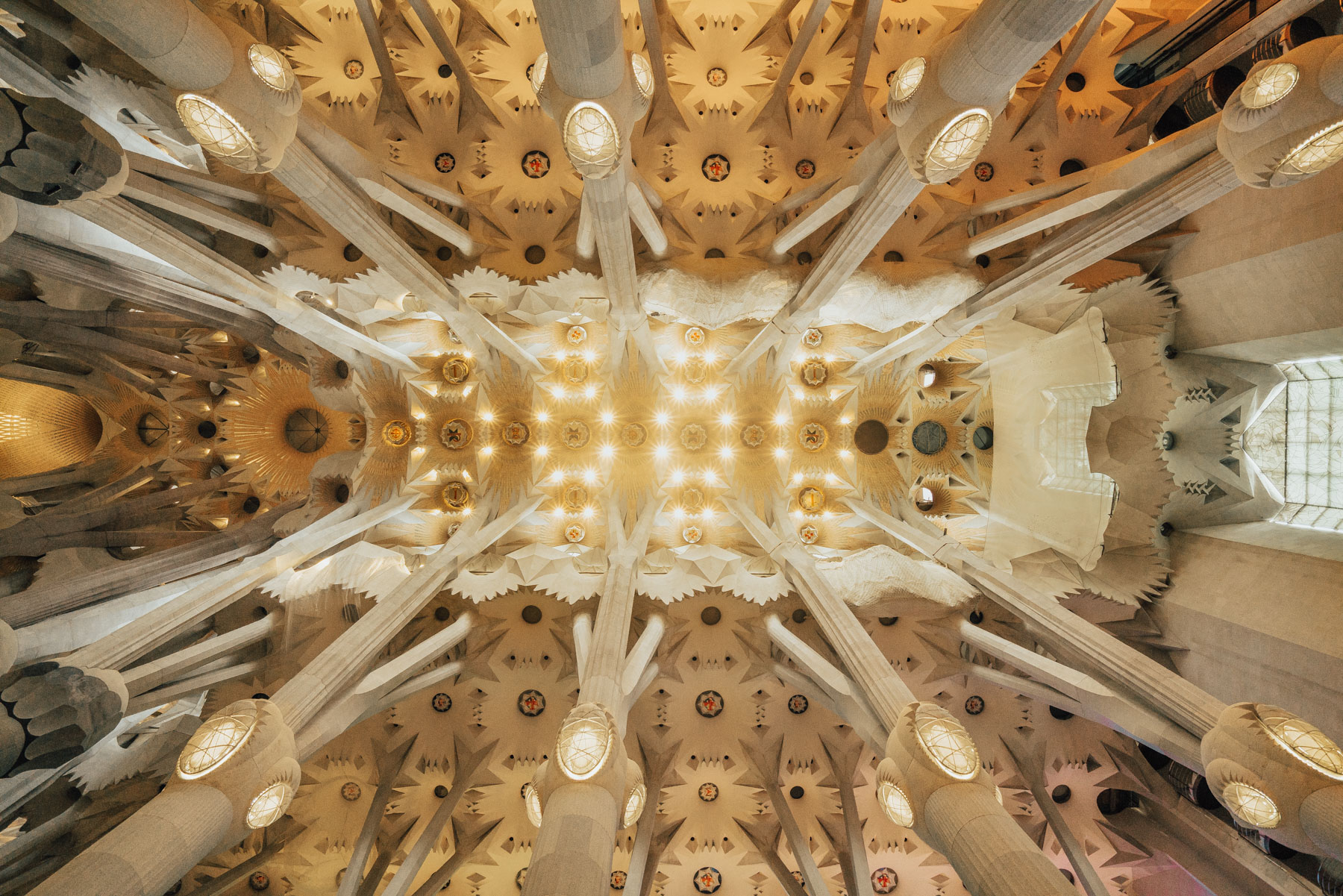
If I had to pick one city for a first visit, I’d say Barcelona. It has more conventional “worth visiting” attractions, the beach is a huge bonus, and the energy is infectious. It’s an easy city to fall in love with.
But if you’ve already done the big European cities and you want something that feels more *real*, more lived-in, more personal, go to Lisbon. It’s the kind of city that gets under your skin in a way Barcelona doesn’t always manage.
And honestly? The right answer is both. They’re a cheap flight apart. Do a week split between the two and you’ll have one of the best trips of your life.
Just start in Lisbon. Your wallet will thank you.