






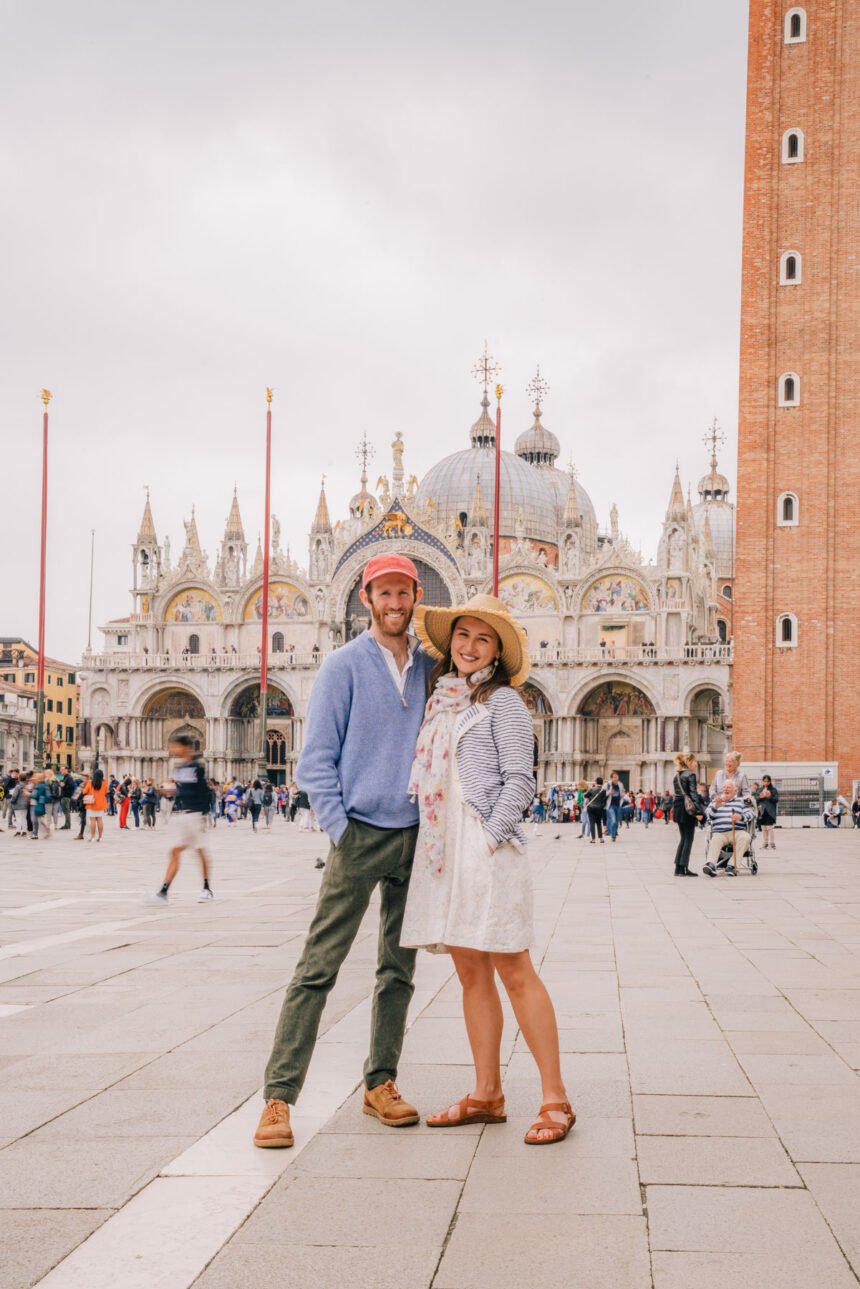
The first Venice trip my husband and I took was a masterclass in getting a city exactly wrong, and I have thought about it on every visit since. We came in on a morning train from Verona, we did the mad dash from the station to the Rialto to San Marco, we ate a bad sandwich standing up because everywhere with a seat felt like a trap, and we left on the 5pm train feeling like we had been pickpocketed by the whole city at once. Not literally. Financially and spiritually. It took us three more trips to understand that almost everything that went wrong that first day was avoidable, and most of it came down to a handful of decisions we made before we even arrived.
So this is the list I wish someone had handed me. Not the generic stuff. The specific traps, with the actual numbers as they stand in 2026, that turn a magic city into an expensive shrug.
1. Not Knowing Whether the Day-Tripper Access Fee Applies to You
This is the one that catches people flat, so it goes first. On 60 designated days between April 3 and July 26, 2026, day visitors entering the historic center between 8:30am and 4:00pm have to pay an access fee, the contributo di accesso. Book it ahead through the official portal at cda.ve.it and it is 5 euro. Book it last-minute, inside the four days before your visit, and it doubles to 10 euro. You get a QR code, and yes, there are stewards near the main entry points who check.
Here is the fine print that actually matters. If you are staying overnight anywhere in the Municipality of Venice, you are exempt, but you have to be able to prove it, so keep your hotel confirmation on your phone. Kids under 14 are exempt too. And the fee only covers the historic center. The lagoon islands, Lido, Murano, Burano, Torcello, are not part of the scheme in 2026. The trap is not the 5 euro. The trap is the 10 euro panic-booking at the entrance because nobody told you the day you picked was a chargeable one. Check the calendar before you buy your train ticket, not after.



2. Taking a Private Water Taxi When You Did Not Need To
Let me be honest with you about the money here, because this is where people bleed cash without noticing. A private water taxi, one of those beautiful varnished-wood motoscafi, is a stunning way to arrive. It is also roughly 120 to 160 euro for the boat. From Marco Polo airport to the historic center it runs around 140 to 160 for up to four people. If you are four adults splitting it and you are exhausted and arriving at night with luggage, honestly? Do it once. It is one of the great entrances in travel.
But do the math before you make it a habit. That same airport trip on the Alilaguna water bus or the vaporetto is a fraction of the cost. And if you are hopping around the city, the public vaporetto does almost everything a taxi does, slower and with strangers. A single vaporetto ride is 9.50 euro and it is good for 75 minutes. Which brings me to the mistake I made personally, over and over, our first trip.
3. Buying Single Vaporetto Tickets Instead of a Pass
At 9.50 euro a pop, two rides gets you close to the price of a full day of unlimited travel. We paid single fares four times in one afternoon before it dawned on me that I was being an amateur. A 24-hour ACTV pass is 25 euro. A 48-hour pass is 35. Seventy-two hours is 45, and a 7-day pass is 65. If you plan to ride the water buses more than twice in a day, and you will, the Grand Canal line alone is worth it, the pass pays for itself almost immediately.
One more thing that stings. Those pass hours count from your first validation, not by calendar day. So a 24-hour pass validated at 2pm dies at 2pm the next day, not at midnight. And if you are between 6 and 29, the Rolling Venice card costs 6 euro and knocks the 72-hour pass down to 27. Learned the single-ticket lesson the hard way. You do not have to.
4. Trying to Sit Down for Free in Piazza San Marco
Venice has a set of urban-decorum rules that are enforced by real municipal police with real fines, and tourists trip over them constantly because they feel counterintuitive. You cannot sit down to eat or drink on monument steps, bridges, the old wells, or the quaysides, and the enforcement is strictest right around Piazza San Marco, which is a protected historic site. No spreading out a picnic on the church steps. No perching on a bridge with a spritz.

What this means in practice is that “grabbing a cheap bite and resting your feet” is not really a thing in the tourist core the way it is elsewhere. If you want to sit, you sit at a cafe, and cafes with a view of the piazza charge a coperto, a cover, per person, on top of the food. That famous orchestra playing at Caffe Florian is not free either, it is baked into your bill. None of this is a scam, it is all posted. The mistake is being surprised by it. Plan your sitting-down moments and your standing-up moments on purpose.
5. Feeding the Pigeons in Saint Mark’s Square
This one has a specific price tag. Feeding the pigeons in Venice has been banned for years, and the fine can run up to around 500 euro. I mention it because well-meaning parents hand their kids a bag of crumbs for the classic photo and have no idea it is an offense. Same category: no walking around shirtless or in swimwear away from the beach, and absolutely no wading or swimming in the canals, which carries a fine of about 350 euro. People do it on a dare. People get fined.

The through-line on all of it is the same. Venice is a fragile city of half a million day-visitors on peak days and a shrinking resident population, and it has decided to protect itself with a rulebook. Read the signs. They are not decorative.
6. Showing Up at St. Mark’s Basilica Without a Booking
Since July 2025 the basilica runs on a mandatory timed online booking system and no longer sells tickets on-site at all. Show up hoping to walk in and you will be turned away or sent to fumble with the website while standing in the square. Book ahead at tickets.basilicasanmarco.it. Basic basilica entry is around 10 euro, and the combos that add the Pala d’Oro, the museum, and the loggia with the bronze horses run up toward 30 depending on what you pick.
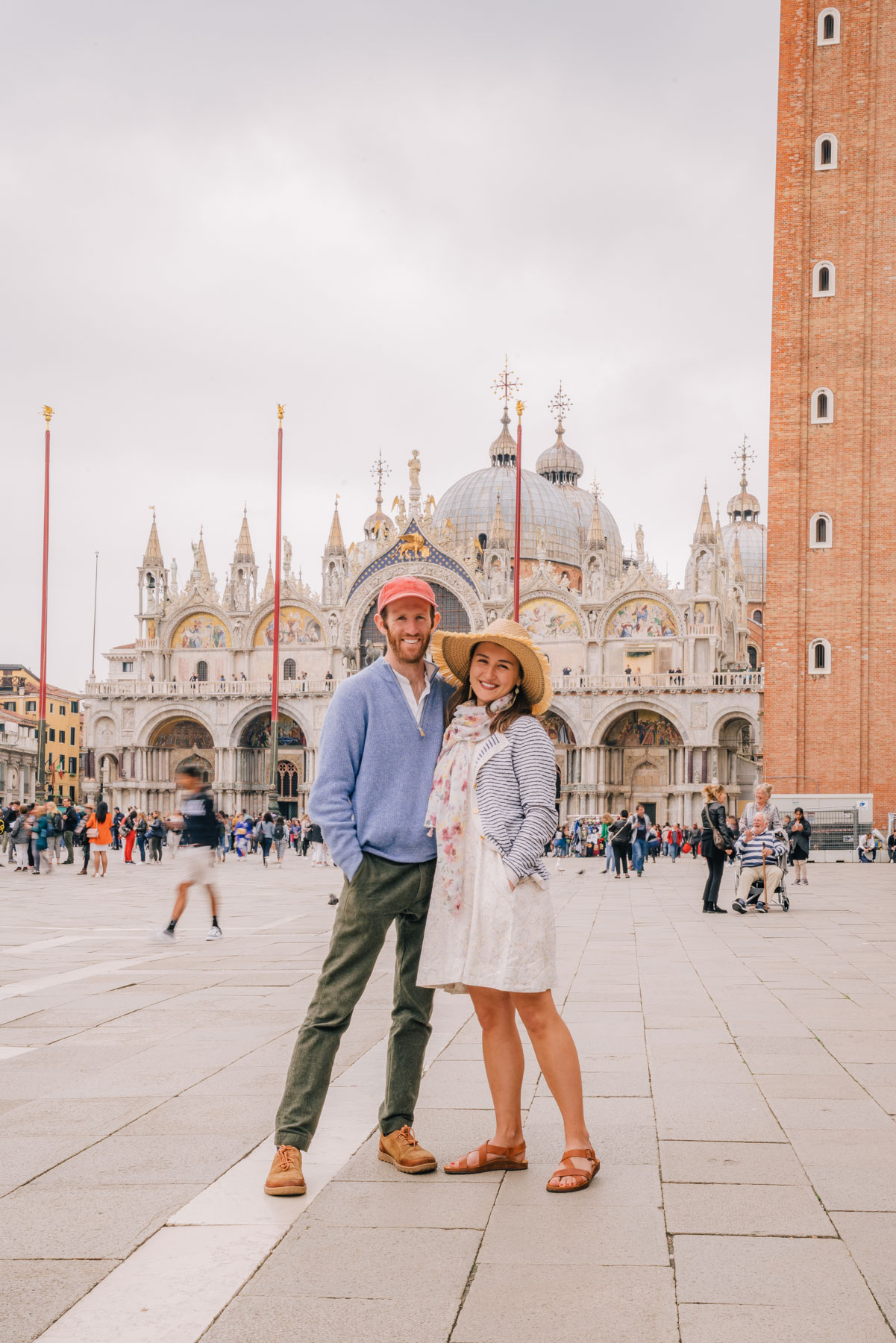
My honest take on what to add. The loggia is worth it. Stepping out onto that balcony above the square, next to the copies of the four bronze horses, with the whole piazza spread out below you, is one of my favorite five minutes in the city. Skip it and you are seeing the basilica from the floor only. If your day is packed, that is my pick for the upgrade that earns its keep.
7. Doing the Whole Trip as a 9-to-5 Day Trip
This is the sin I opened with, and it is the biggest one, so I will not soft-pedal it. Venice between roughly 10am and 5pm is a river of day-trippers and cruise crowds funneled down the same three or four routes. Then, like a tide going out, they leave. The 5pm trains and the returning cruise tenders drain the city, and the Venice that is left behind, the one in the golden hour when the canals go quiet and the light hits the plaster, is the one worth coming for.

Stay at least one night. Even one. A modest room in a quieter sestiere like Cannaregio or Dorsoduro exempts you from the access fee, gives you the empty early mornings before the day boats dock, and hands you the evenings when Venice belongs to the people who actually stayed. If you take one thing from this whole list, take this. Leaving at 5pm is leaving right before the good part.
8. Never Getting Lost on Purpose
The single best thing to do in Venice costs nothing and most people never do it. Put the phone away and walk into the parts of the map with no famous names on them. The main artery from the train station to Rialto to San Marco is a conveyor belt of the same mask shops and the same tired menus. Two turns off it and you are in silence, on a canal the width of a hallway, with laundry overhead and a single boat sliding past.

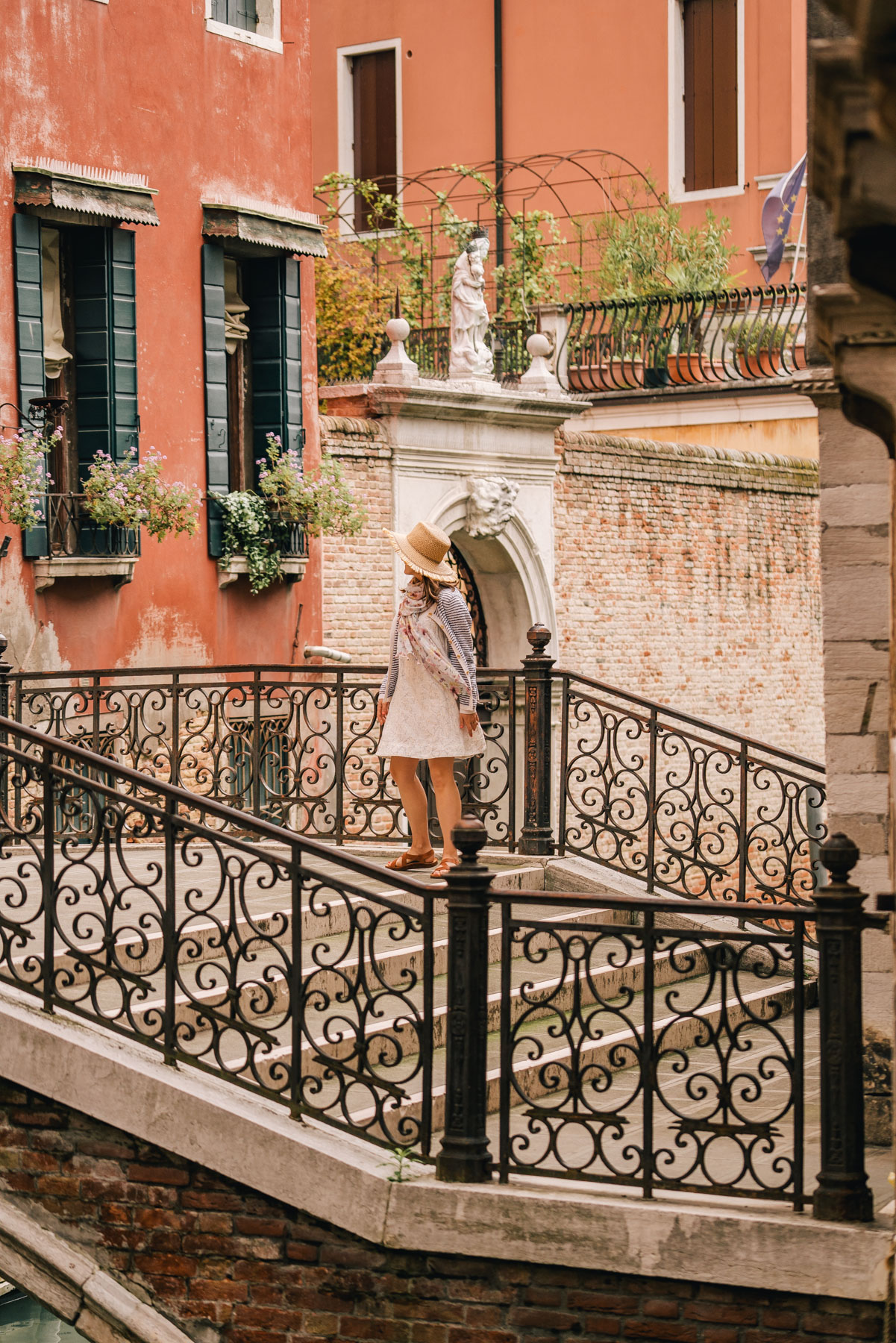
You will not stay lost, the island is small and every path eventually spits you out at a canal or a bridge with a yellow sign pointing back to San Marco or Rialto. But those wrong turns are where Venice stops being a theme park and starts being a city. We have found our favorite tiny bacari, the standing wine bars where cicchetti cost a couple of euro, entirely by wandering. For a fuller run of favorites, I keep a separate guide to the adventurous things to do in Venice that goes deep on those.
9. Overpaying for a Gondola Without Knowing the Rules
A gondola ride is one of those things people either sneer at or secretly want, and I am firmly in the second camp, no shame. But the way to get burned is to not know how it is priced. Gondola fares are set by the city, not haggled per person the way touts sometimes imply. It is a flat rate for the boat, not per head, and it goes up in the evening. Splitting it across the full boat is the difference between a splurge and a wince.

And here is the honest downside I will state plainly, because the spec of my own conscience demands it. A gondola near the Rialto or San Marco at peak hour is a slow shuffle through boat traffic, and it is not romantic, it is a parade. If you want the actual dreamy version, book it later, from a quieter launch point on a back canal, and let the gondolier take you into the small waterways instead of the Grand Canal jam. Same price. Completely different experience.
10. Spending Your Whole Trip in the Rialto-San Marco Corridor
Most first-timers see maybe fifteen percent of Venice and think they have seen it. The Rialto Bridge and Piazza San Marco are unmissable, fine, go, but they are also where every day-tripper is standing at the same moment you are.

Walk fifteen minutes and the city opens up. The Dorsoduro side around the Frari and the Zattere is calmer and has some of the best art in Italy. Cannaregio has the real neighborhood life and the old Jewish Ghetto, the first in the world. And the lagoon islands, the ones the access fee does not even touch, are a different Venice entirely. Burano’s painted houses and Torcello’s ancient mosaics are a vaporetto ride away and most day-trippers never make it.

Venice rewards the same instinct that Rome does, which is to slow down and pick fewer things and go deeper on them. I made a version of every one of these mistakes in other Italian cities too, and wrote them up in my guide to the mistakes to avoid in Rome if you are stringing the two together. If you are debating which northern base to pair Venice with, my two days in Florence guide covers a city that pairs beautifully with it by train. And if you are still deciding whether the whole classic-Italy circuit is even for you, the honest Rome versus Florence breakdown is where I lay my cards down.
None of this is meant to scare you off. Venice has my heart, mistakes and all. It just asks a little more homework than most cities, and it punishes the people who wing it. Do the reading, book the two or three things that actually require it, stay the night, and get gloriously lost the rest of the time. That is the whole secret.
Which Venice trap did I miss, or which one did you fall into? Tell me. I collect them.
Cheers!
Antonina