





Rome has about 30,000 restaurants. Roughly 25,000 of them are tourist traps serving microwaved carbonara near the Colosseum. The other 5,000? Some of the best food on the planet.
The trick to eating well in Rome is knowing *which neighborhoods* to eat in and *which streets* to avoid. After a combined two months of my husband and I eating our way through this city, I can tell you that the difference between a forgettable meal and a life-changing one often comes down to walking three blocks in the right direction.
Here’s your neighborhood-by-neighborhood guide to eating like you actually live here.
Trastevere
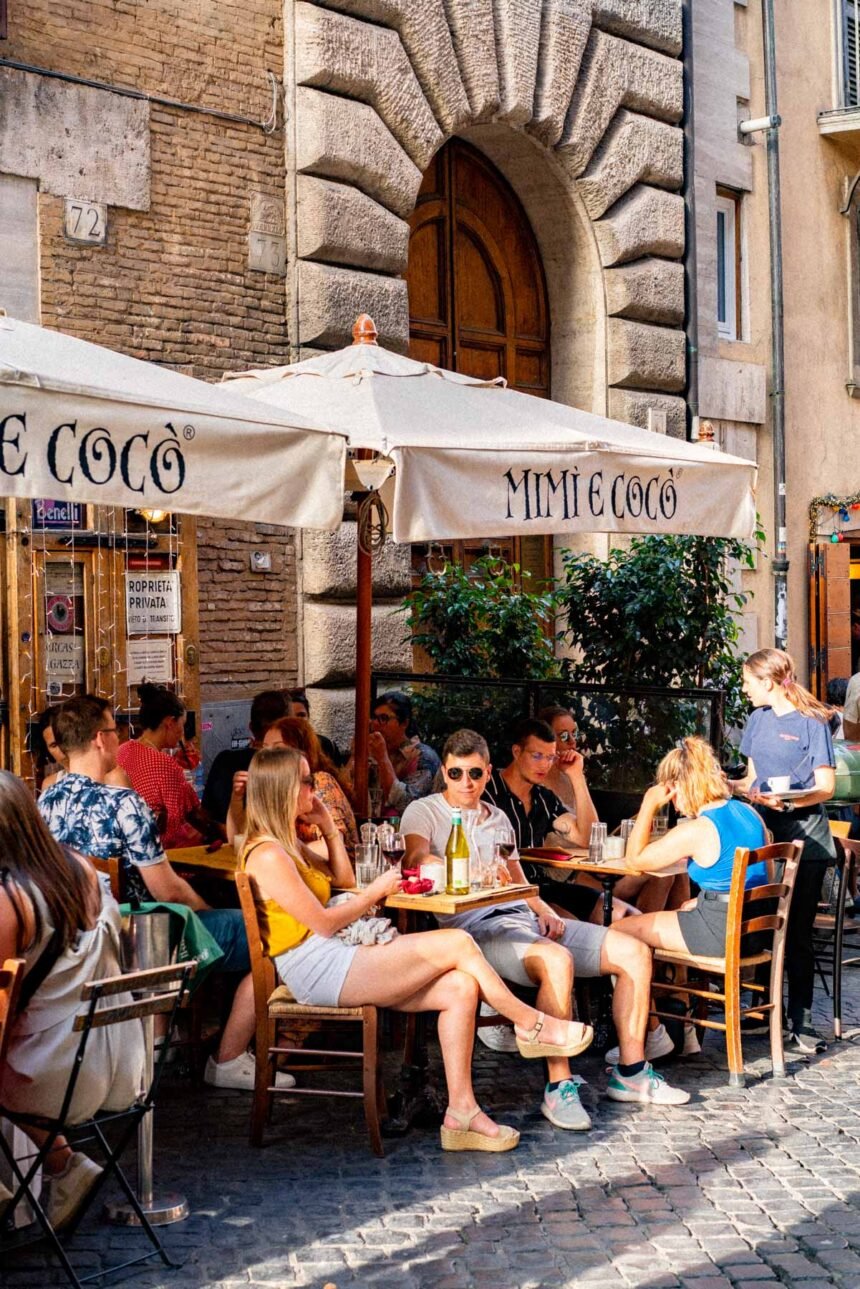
Trastevere is everyone’s favorite neighborhood for dinner, which means it’s packed with both excellent trattorias and shameless tourist traps. The key is knowing which is which.
Da Enzo al 29 is the gold standard. The cacio e pepe here is transcendent, creamy and peppery without a single drop of cream (because that’s not how you make it). Get there by 7pm or prepare to wait 45 minutes. No reservations. Cash only. Worth every second of the wait.
Tonnarello is the more forgiving option. Same style of Roman classics, but they take reservations and the space is bigger. Their amatriciana is deeply savory, with guanciale that shatters when you bite it. Sit outside if the weather allows.
Skip anything on the main piazza that has someone standing outside trying to wave you in. That’s never a good sign in any city, but *especially* not in Rome. For more restaurant picks, check out our full best restaurants in Rome guide.

Testaccio
If Trastevere is where tourists eat, Testaccio is where Romans eat. This working-class neighborhood is the beating heart of Roman cuisine, and it’s where many of the city’s signature dishes were actually invented.
Flavio al Velavevodetto is built into the side of Monte Testaccio (a literal hill made of ancient Roman pottery shards). The carbonara here is heavy, rich, and perfect. You can see the ancient pottery through glass panels in the floor while you eat. Reservations recommended.
Trapizzino started as a street food concept and basically invented a new food category. It’s a triangular pocket of pizza dough stuffed with traditional Roman stews. The chicken cacciatore version is excellent. Each one costs about 3.50 euros.
Mercato Testaccio is the neighborhood market and a perfect lunch stop. Mordi e Vai (stall 15) does porchetta sandwiches that will ruin every other sandwich you ever eat. Get there before 1pm or they sell out.
Centro Storico (Historic Center)

This is the danger zone. The area around the Pantheon, Piazza Navona, and the Trevi Fountain is *dense* with overpriced, underwhelming restaurants that survive entirely on foot traffic from tourists who don’t know any better. But there are gems if you know where to look.
Roscioli is a bakery, deli, and restaurant all in one. Their carbonara uses high-quality guanciale that’s almost translucent. The wine list is one of the best in Rome. It’s not cheap (expect 50-60 euros per person with wine) but it’s worth it.
Armando al Pantheon has been open since 1961 and somehow hasn’t become a tourist trap despite being literally behind the Pantheon. Family-run, traditional menu, and they still do things the old way. Book ahead.
The general rule for Centro Storico: if you can see a major monument from your table, the food is probably mediocre. Walk two streets away and everything improves dramatically.
Monti
Monti is Rome’s hipster neighborhood, which means slightly higher prices but also more creativity and better coffee than anywhere else in the city.
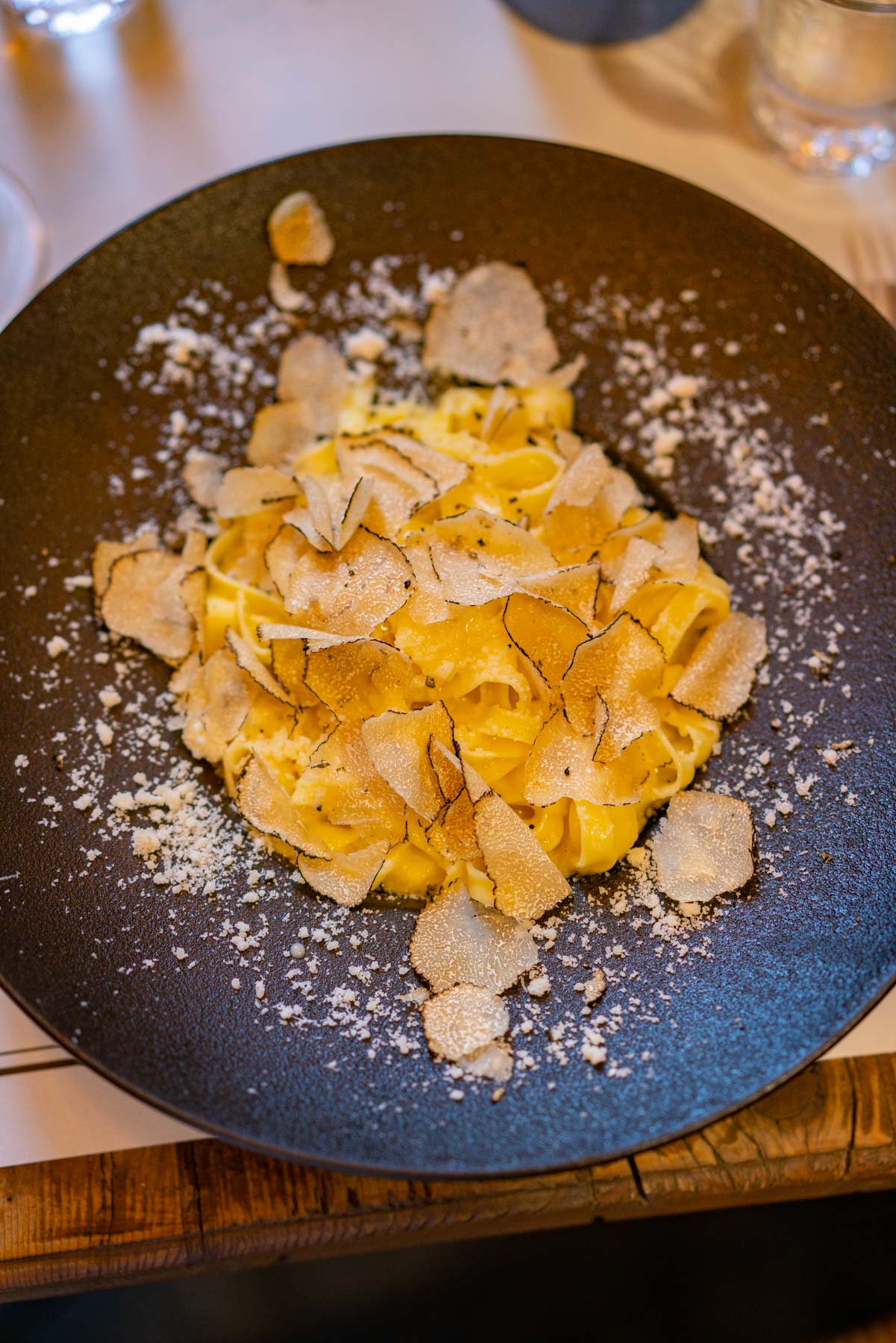
Ai Tre Scalini is a wine bar that moonlights as one of the best casual dinner spots in Rome. The polpette (meatballs) are legendary. The vibe is loud, crowded, and wonderful. Go for aperitivo around 6pm and stay for dinner.
La Carbonara on Via Panisperna has been doing exactly one thing well since 1906. You can probably guess what it is from the name. Their version is classic, egg-heavy, and peppery. The restaurant itself is no-frills, which is exactly what you want.
Monti is also where you’ll find some of Rome’s best specialty coffee if you need a break from espresso. But honestly, learn to love the espresso. It’s better here.
The Jewish Quarter (Ghetto)
Rome’s Jewish Quarter is one of the oldest continuously inhabited Jewish communities in Europe, and the food here reflects centuries of tradition that predates most of what you’ll find elsewhere in the city.
Nonna Betta does the best carciofi alla giudia (Jewish-style fried artichokes) in Rome. They’re fried whole until they open like flowers, crispy on the outside and tender in the center. This dish was invented in this neighborhood and nobody does it better.
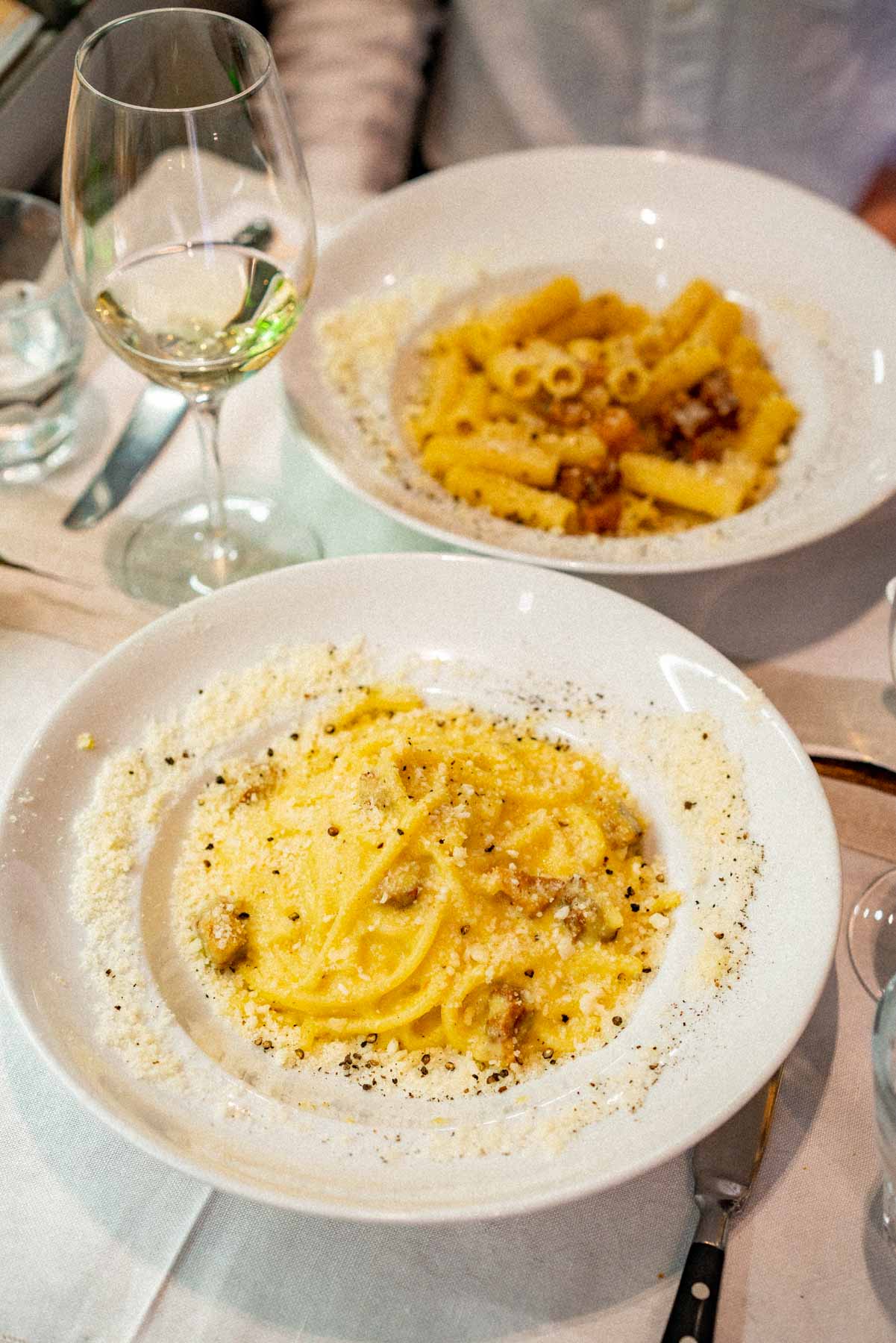
You’ll also find excellent fried cod (baccalà), concia (marinated zucchini), and pasta with anchovies and cherry tomatoes. The cuisine here is distinct from the rest of Rome and absolutely worth seeking out.
Walk through the quarter in the morning when it’s quiet. The history here is heavy, and the small plaques on the cobblestones (Stolpersteine) are a sobering reminder of what this community has survived.
Prati (Near the Vatican)
Prati is where you eat when you’ve spent the morning at the Vatican and you’re starving. Most people default to the tourist restaurants on Via Ottaviano. Don’t do that.
Pizzarium is Gabriele Bonci’s famous pizza al taglio (pizza by the slice) shop, and it’s one of the best things you’ll eat in Rome. The dough is impossibly light and airy, and the toppings change daily. A few slices and a beer cost about 8-10 euros. The line moves fast.
Sciascia Caffè has been roasting coffee since 1919. Order a caffè with their house-made chocolate cream on top. It costs 1.20 euros and it’s perfect. This is the kind of place Romans go, not tourists.
Prati in general is a solid residential neighborhood with good lunch spots that don’t gouge you. Just walk a few blocks from the Vatican walls and prices drop by 40%.

What to Order in Rome
Roman cuisine is built on a handful of dishes done *perfectly*. Learn these and you’ll never go wrong.
Cacio e pepe. Pecorino Romano cheese and black pepper, emulsified into pasta water to create a silky sauce. Sounds simple. Takes years to master. When it’s good, there is nothing better.
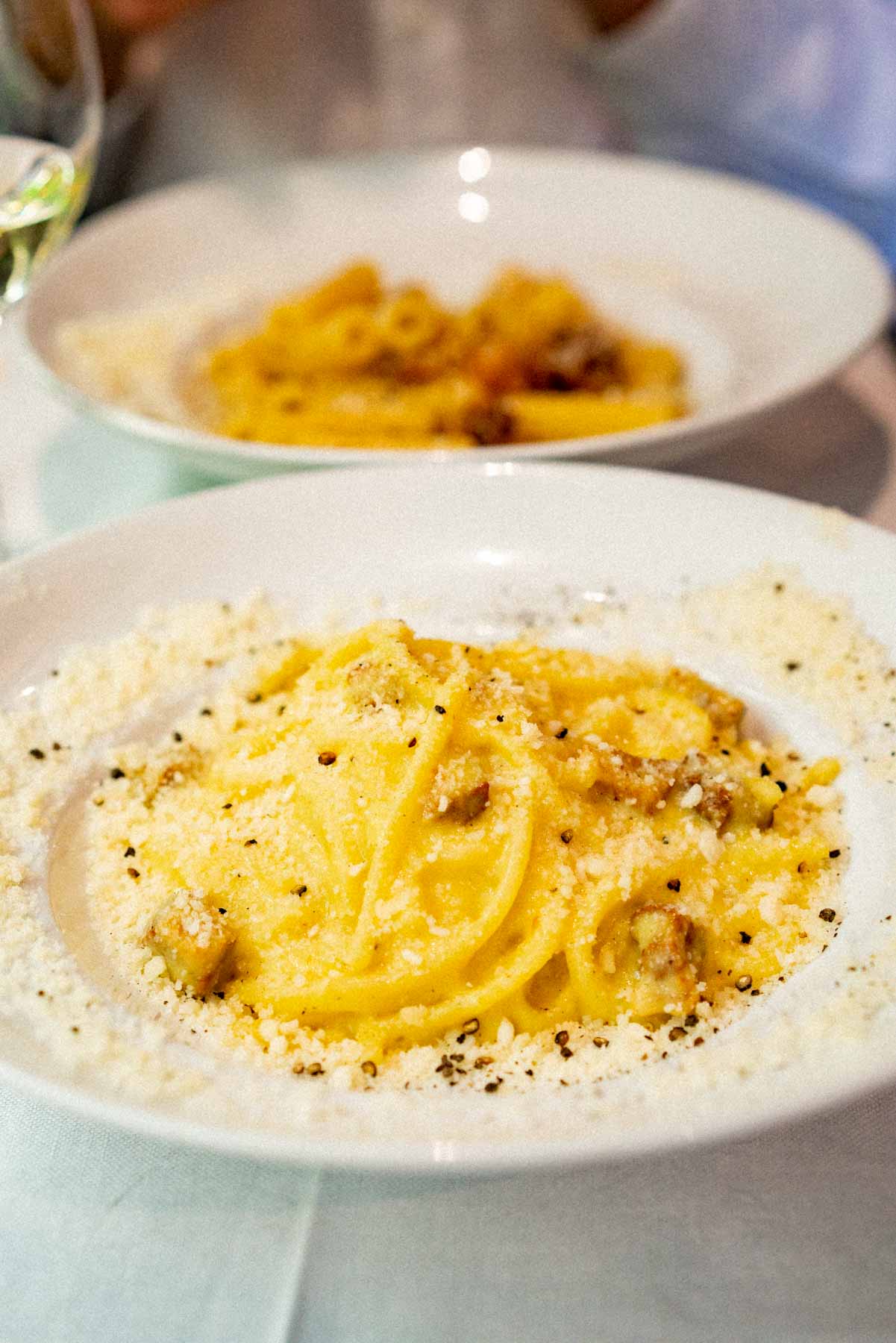
Carbonara. Guanciale (cured pork cheek, not bacon), egg yolks, Pecorino Romano, black pepper. If anyone puts cream in it, walk out. I’m not kidding.
Amatriciana. Tomato sauce with guanciale and pecorino. The slightly spicy, slightly sweet tomato version of carbonara’s savory richness.

Supplì. Fried rice balls stuffed with mozzarella and ragu. The cheese should stretch in a long string when you pull them apart (they call this “al telefono”). Every pizzeria sells them. They cost 1-2 euros and they’re the best snack in Rome.
Pizza al taglio. Roman-style pizza is rectangular, sold by weight, and has a crispy, airy crust that’s completely different from Neapolitan pizza. Both are good. Both are pizza. Please don’t argue about which is better.
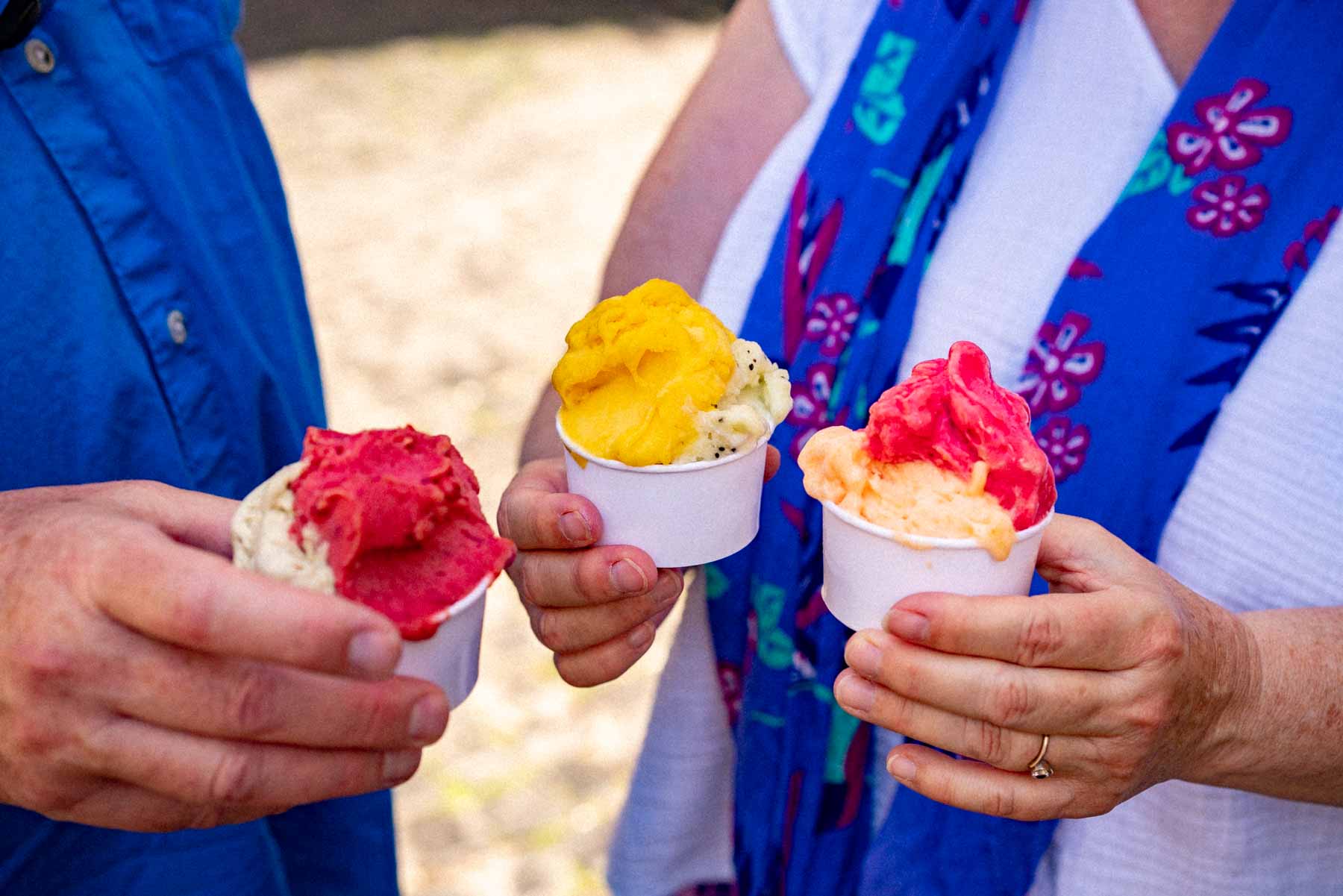
After dinner, grab gelato from one of the best gelato spots in Rome. Or better yet, find one of the wine bars we recommend and end the night properly.
The Unwritten Rules of Eating in Rome

No photos on the menu. If a restaurant has photos of its dishes on the menu, it’s a tourist trap. No exceptions. Real Roman restaurants assume you know what carbonara looks like.
Lunch is cheaper than dinner. Many restaurants offer a pranzo (lunch) menu that’s significantly cheaper than dinner. The food is the same quality. Romans know this. Tourists don’t.
Stand at the bar for coffee. Sitting down at a cafe in Rome triggers a surcharge (sometimes double the price). Order your espresso at the bar, drink it in 30 seconds like a Roman, and move on. It’s better that way anyway.
No cappuccino after 11am. This is a real rule that Romans actually follow. Milk-based coffee drinks are for breakfast. After that, it’s espresso or caffè macchiato. Will anyone stop you from ordering one at 3pm? No. Will they judge you? Absolutely.
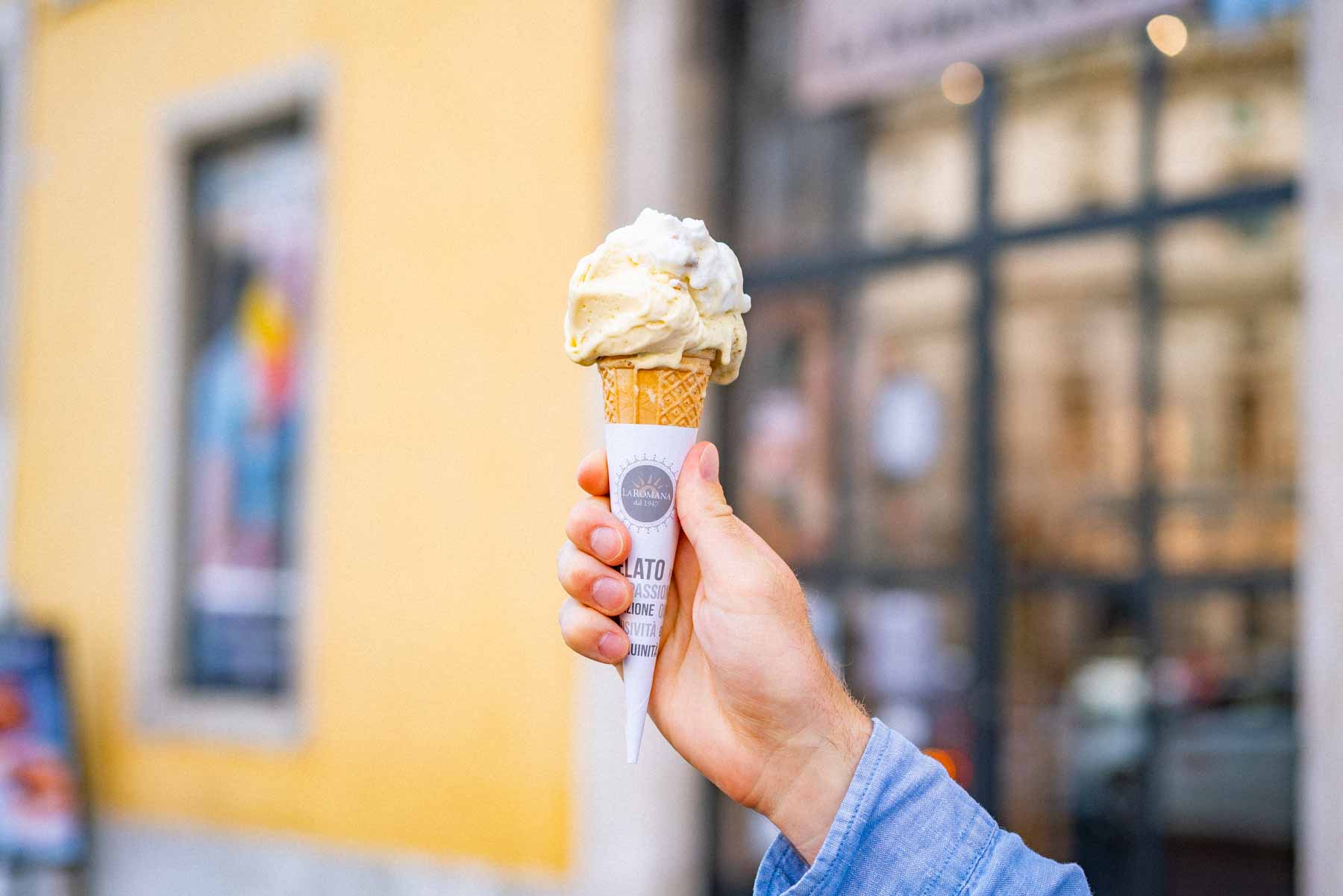
Coperto is not a scam. The “cover charge” (usually 1.50-3 euros per person) on your bill is standard in Italy. It covers bread, table service, and linens. Don’t argue about it. Don’t leave a negative review about it. It’s just how it works.
Tipping is not required. Service is included. Round up if the service was great. Leave 5-10% if someone truly went above and beyond. Nobody expects 20%.
For more money-saving tips, check out our Rome on a budget guide. And whatever you do, avoid the most common Rome mistakes that waste your money and your appetite.
One more thing. The best meals I’ve ever had in Rome weren’t at the famous restaurants. They were at the tiny trattoria I found by accident on a Tuesday afternoon, where the menu was handwritten on a chalkboard and the only other customers were two old men arguing about football. Seek out *those* places. They’re everywhere if you’re willing to wander.
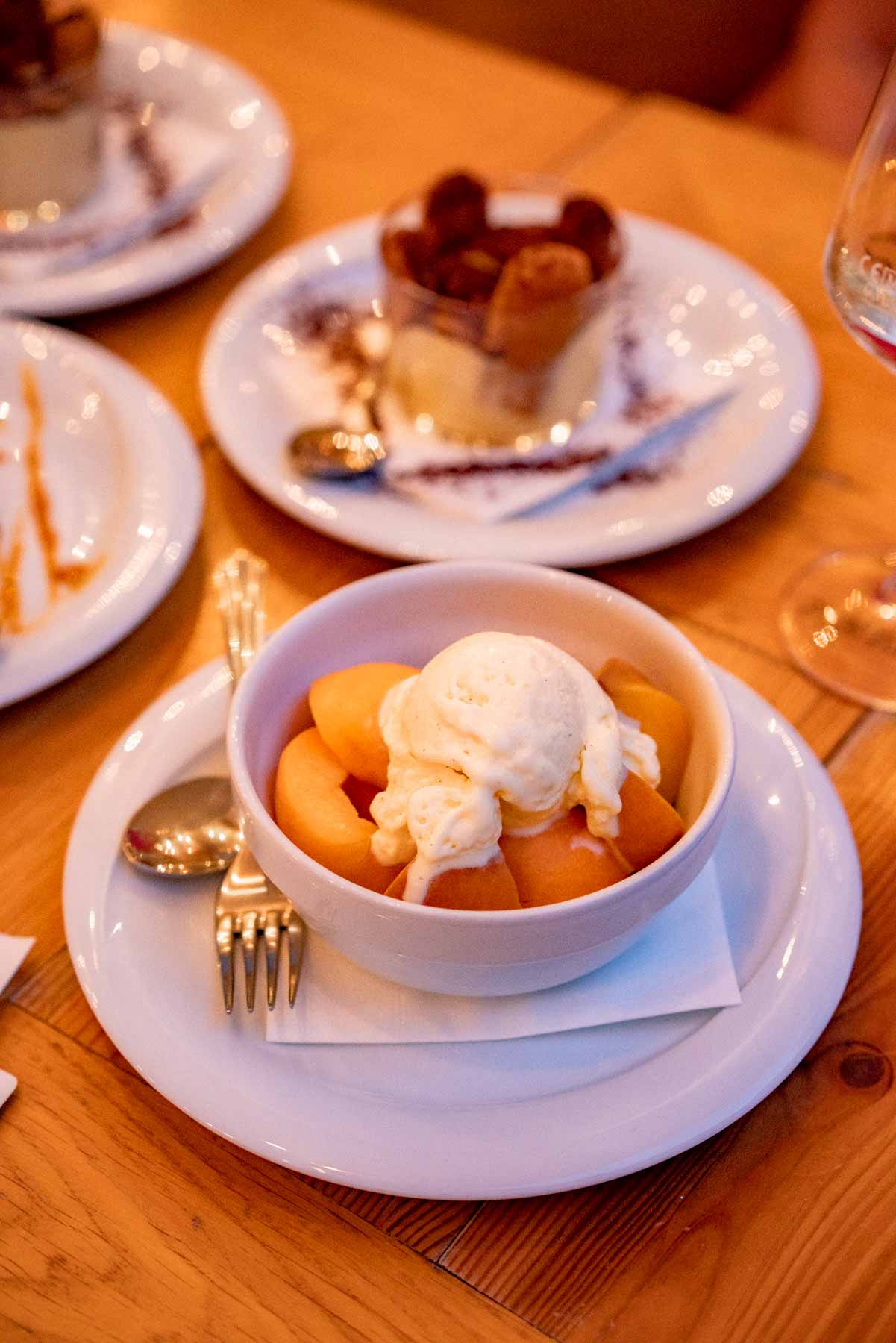
Now go eat. There’s plenty more to do in Rome, but honestly, eating *is* the main event.
Where to Get the Best Coffee in Rome

Roman coffee culture is its own religion, and the rules are non-negotiable.
First, understand that a “caffè” in Rome means espresso. Not drip coffee. Not a pour-over. Not whatever your local third-wave shop is doing with single-origin Ethiopian beans. You order a caffè, you get a tiny cup of intensely concentrated coffee that costs about 1-1.20 euros. You drink it standing at the bar in approximately 45 seconds. This is the way.
Sant’Eustachio Il Caffè near the Pantheon is Rome’s most famous coffee bar, and for once, the fame is justified. Their gran caffè is pre-sweetened with a thick crema on top, and it’s been made the same way since 1938. The recipe is a closely guarded secret. They turn the espresso machine away from customers so nobody can see how they make it. Slightly theatrical? Yes. Does the coffee justify it? Also yes.
Tazza d’Oro is across the street from Sant’Eustachio and equally legendary. In summer, their granita di caffè (frozen coffee slush topped with whipped cream) is one of the best things you can put in your body for 2.50 euros. Locals argue about which is better, Sant’Eustachio or Tazza d’Oro. The correct answer is both, and you should do a side-by-side comparison.
For something more modern, Faro in Monti is Rome’s best specialty coffee shop, doing things with single-origin beans that would make a Portland barista weep. It’s a different experience from traditional Roman coffee, but it’s excellent if you occasionally need something larger than a thimble.
Street Food Worth Seeking Out
Beyond the sit-down restaurants, Rome’s street food scene is some of the best in Europe. And it’s incredibly cheap.
Supplì. I mentioned them above, but they deserve their own spotlight. The best supplì in Rome might be at Supplizio in Centro Storico, where they’ve improved the humble fried rice ball to an art form. The classic ragu version costs about 3 euros and is large enough to count as a light lunch.
Pizza al taglio (by the slice). Beyond Pizzarium, check out Antico Forno Roscioli in Centro Storico for some of the best pizza bianca (white pizza with just olive oil and salt) in the city. It comes out of the oven in long rectangular trays and they cut it with scissors. A piece costs about 2-3 euros depending on weight.
Porchetta sandwiches. Er Buchetto near Termini station has been serving porchetta from a whole roast pig since 1890. The porchetta is sliced to order and stuffed into a crusty roll. It costs about 4 euros. The place is tiny, gruff, and perfect.
Maritozzo. This is Rome’s answer to the cream puff, a soft brioche bun split open and filled with an obscene amount of whipped cream. It’s traditionally a breakfast food. Regoli in Esquilino makes the best version. Get there early because they sell out.
Filetti di baccalà. Fried salt cod filets served at Filetti di Baccalà on Largo dei Librari. This place has paper tablecloths, no menus (there’s basically one thing to order), and the kind of deep-fried fish that makes you reconsider everything you thought you knew about fried food. About 5 euros for a plate.
Where Not to Eat
This matters as much as knowing where *to* eat. Avoid these scenarios like food poisoning.
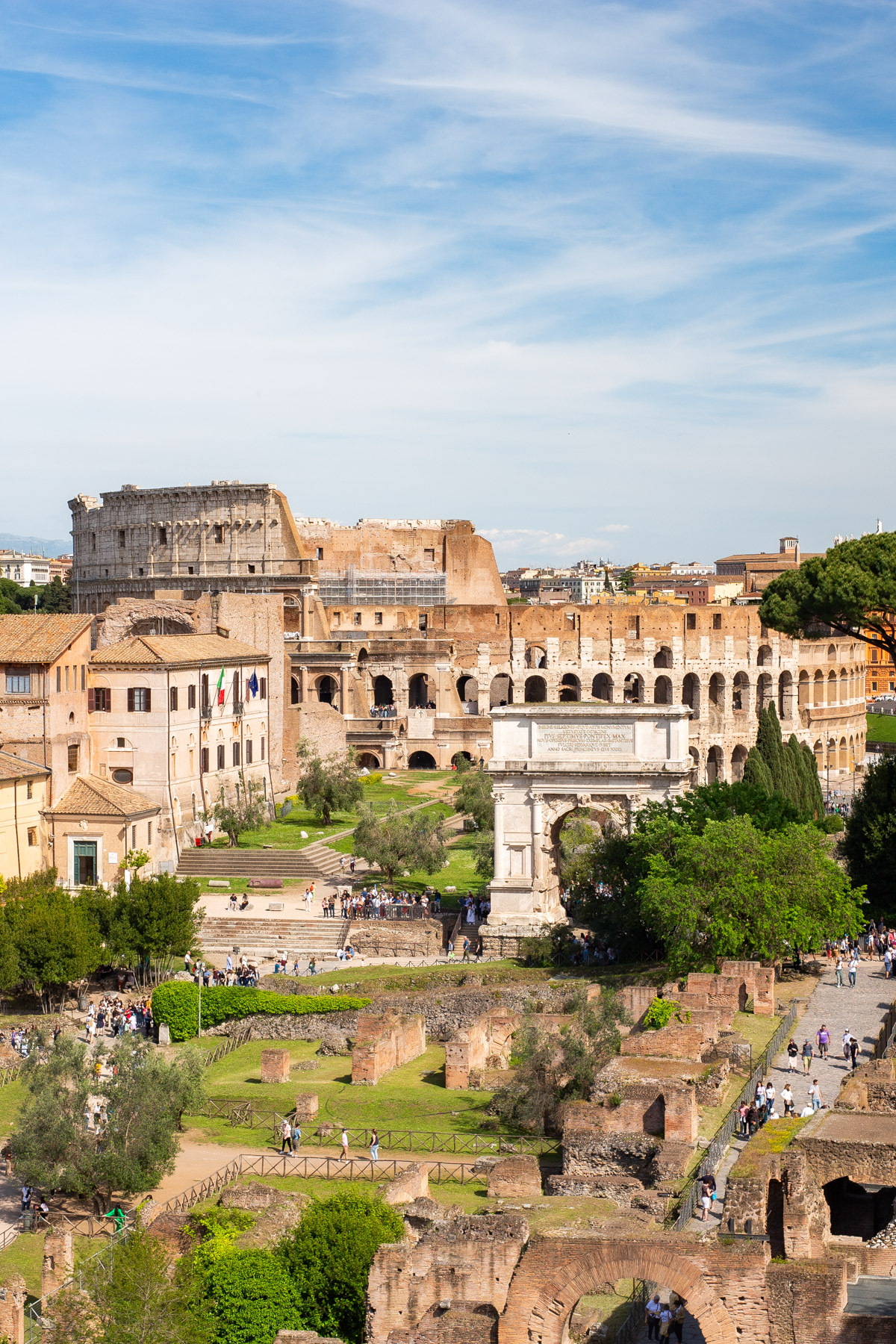
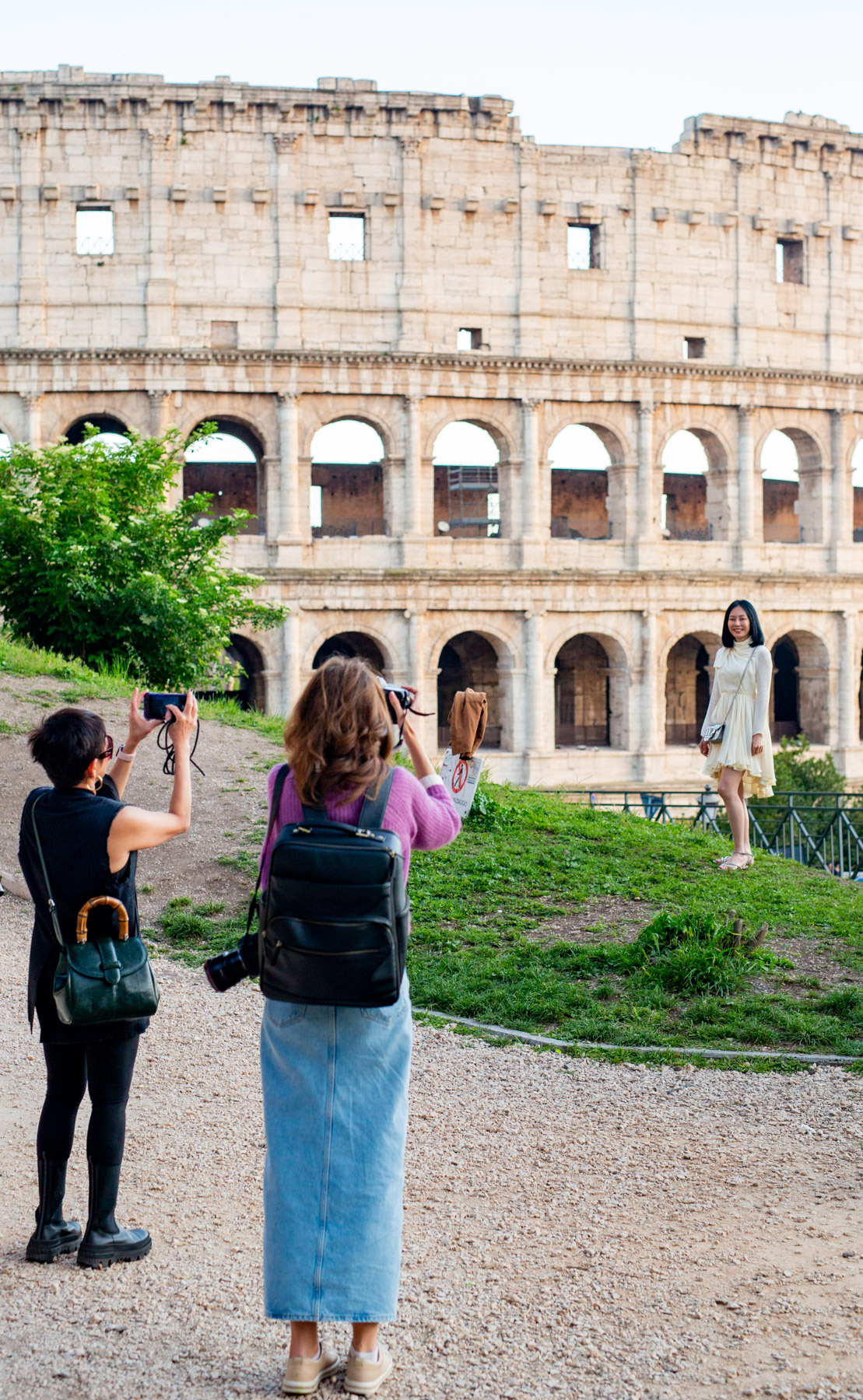
Any restaurant within 50 meters of the Trevi Fountain, the Spanish Steps, or the Colosseum. The rents are astronomical and the food suffers for it. Walk 5-10 minutes in any direction and quality doubles while prices halve.
Any restaurant with a person standing outside actively trying to recruit you. In Italian, these are called “imbonitori” and they’re a reliable signal of mediocre food. Good restaurants in Rome don’t need to beg for customers.
Any restaurant where the menu is translated into 8 languages with photos. This is designed for tourists who point at pictures. Romans don’t eat here. Neither should you.
Any restaurant advertising “authentic Italian pizza AND sushi.” This is a real thing that exists near Termini station and it should be criminal.
Stick to neighborhoods where Romans live (Testaccio, Monti, Prati, Trastevere’s side streets) and you’ll eat well every single meal. It’s really not complicated. Just walk past the first row of restaurants near any monument, and the real Rome reveals itself.
Which Roman neighborhood won you over? I want to know where you ate well.
Cheers!
Antonina