





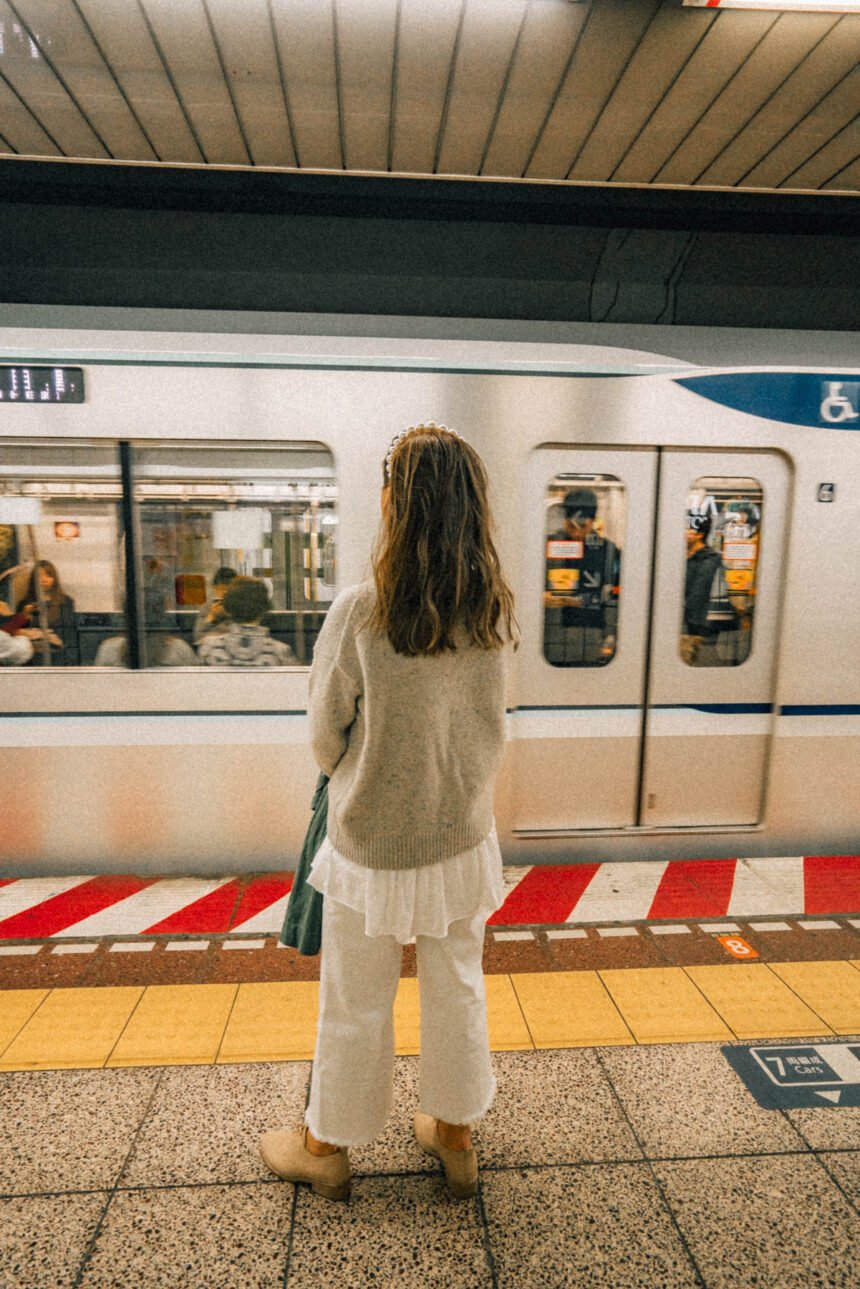
We spent two weeks in Japan and made every single one of these mistakes. Every. Single. One.
Not in a cute, “oh we learned so much” way. More in a “we wasted ¥40,000 on a rail pass we didn’t need and then tipped a waiter who looked at us like we’d handed him a dead fish” way.
Tokyo is one of those cities that rewards you for doing a little homework before you go. Not a lot. Just enough to avoid the stuff that costs you real time and real money. So here are the 10 mistakes we made (and watched other tourists make) so you can skip them entirely.
If you’re still planning your trip, check out our full Japan 10-day itinerary and our guide to the best things to do in Tokyo.

1. Buying the JR Pass Without Doing the Math
This one hurts because I was so proud of myself for buying the JR Pass before our trip. I’d read approximately 47 blog posts that all said the same thing. “The JR Pass is the best deal in travel!” “You’d be crazy not to get it!”
Here’s the thing those blog posts didn’t mention. In October 2023, the price jumped from ¥29,650 to ¥50,000 for a 7-day pass. That’s roughly $330 USD. And a round-trip shinkansen ticket from Tokyo to Kyoto is only about ¥27,000.
So the 7-day JR Pass only makes sense if you’re doing multiple long-distance bullet train trips. Tokyo to Kyoto, then Kyoto to Hiroshima, then back to Tokyo? Sure, get the pass. But if you’re doing one round trip to Kyoto and otherwise staying in Tokyo, you’re literally paying extra for the privilege of having a rail pass.
What we should have done instead was buy individual shinkansen tickets and grabbed a 72-hour Tokyo Subway Pass for ¥1,500 (about $10). That pass covers the Tokyo Metro and Toei lines, which is basically everywhere you’d want to go in the city.
If you’re doing day trips from Tokyo to places like Nikko or Kawaguchiko, look at the Tokyo Wide Pass (¥15,000 for 3 days). Way cheaper than the full JR Pass and it covers exactly what you need.
Do the math. Seriously. Open a spreadsheet. Add up the actual ticket prices for your specific trips. I wish I had.
2. Trying to See Too Much in One Day
Day one in Tokyo I had a Google Maps itinerary with 11 pins. Eleven. Meiji Shrine, Harajuku, Shibuya Crossing, Shinjuku Gyoen, the government building observation deck, Golden Gai, Akihabara, teamLab, Sensoji, Tokyo Skytree, and Tsukiji Outer Market.
We made it to four of them and were dead on our feet by 3pm.
Tokyo is not a checklist city. It’s a wandering city. The best things that happened to us in Tokyo were completely unplanned. The tiny ramen shop in a basement we found because we got lost. The shrine tucked between two apartment buildings with nobody else around. The vending machine selling hot corn soup at 11pm (which, by the way, was excellent).
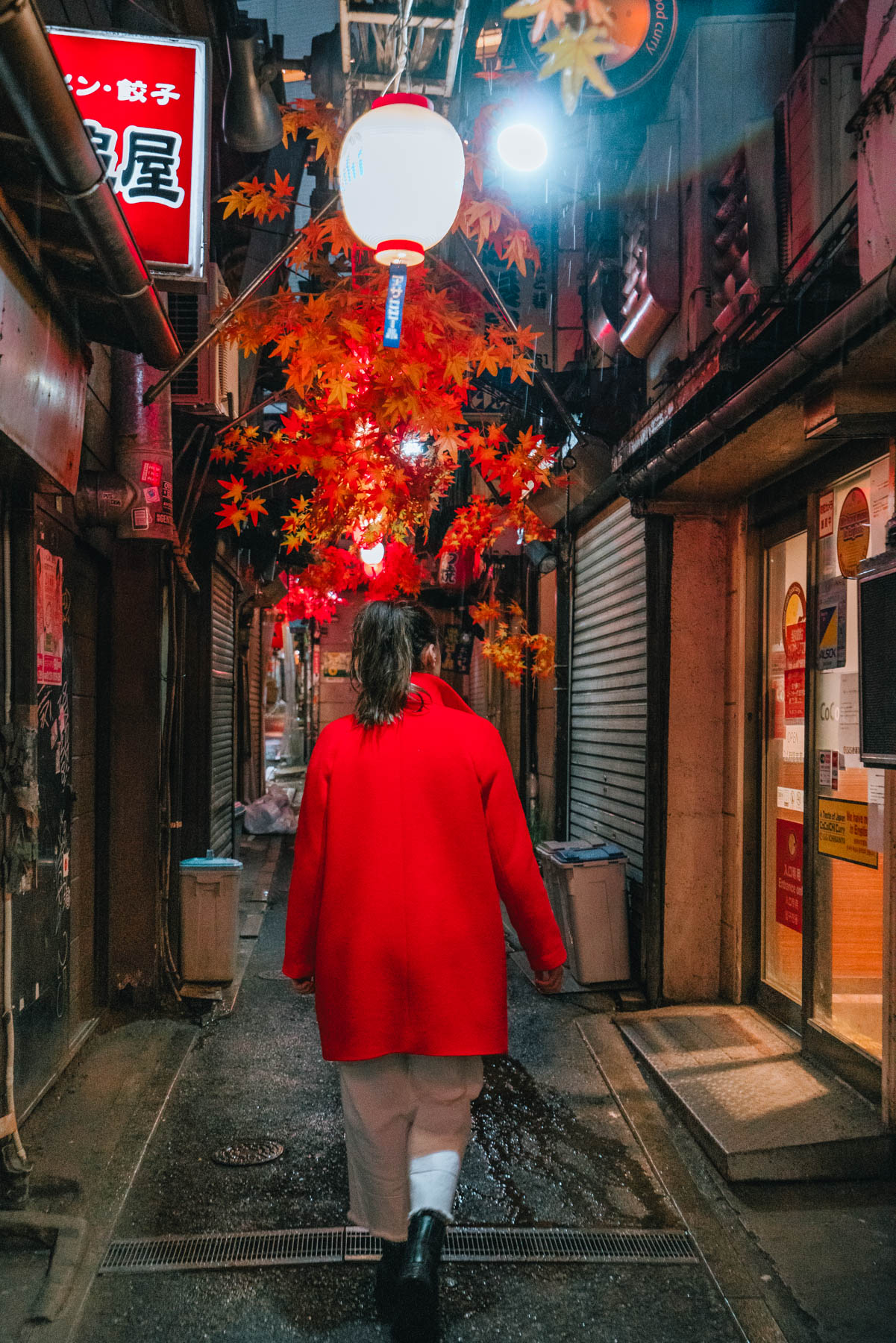
Pick one or two neighborhoods per day. That’s it. Walk around. Eat when you’re hungry. Duck into shops that look interesting. Let yourself get a little lost. Tokyo is a city that gives you more when you stop trying to “optimize” it.
Cramming 12 attractions into one day means you see everything and experience nothing. Trust me on this one.
3. Skipping the “Boring” Neighborhoods
Every first-timer goes to Shibuya. And Shinjuku. And Asakusa. And those are fine! They’re famous for a reason.
But the neighborhoods that actually made us fall in love with Tokyo? They weren’t on any “top 10” list.
Shimokitazawa is what Brooklyn wishes it was. Vintage shops the size of walk-in closets, tiny cafes where the owner roasts their own beans, live music venues with 30-person capacity. It’s where young creatives actually hang out, and it has more personality per square foot than any neighborhood I’ve been to anywhere.
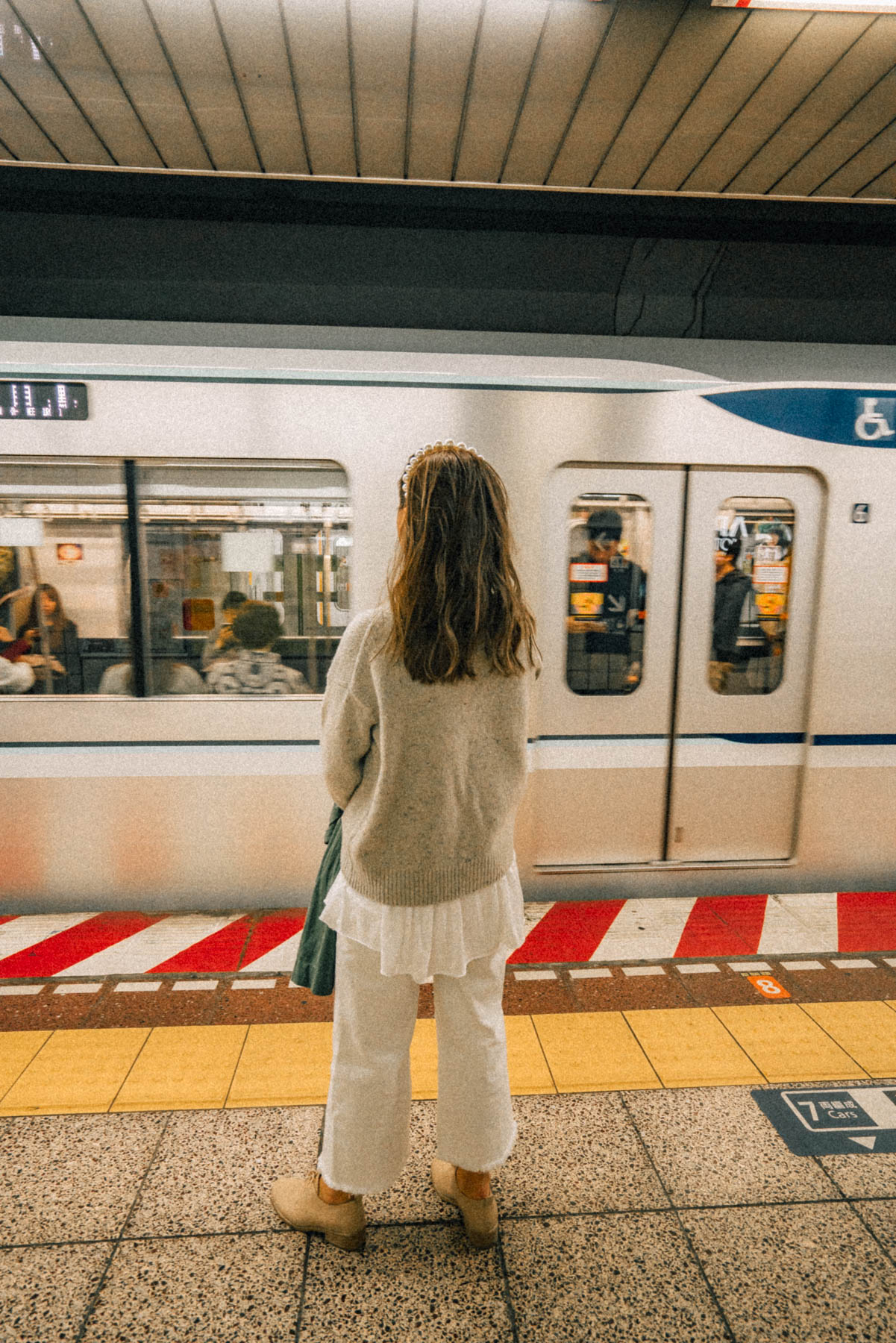
Yanaka feels like old Tokyo. Low-rise buildings, temple cats sunbathing on stone walls, a cemetery that’s somehow one of the most peaceful places in the city. The shopping street (Yanaka Ginza) has been there for decades and sells actual useful things, not tourist junk.
Koenji is for the punk-rock-thrift-store crowd. Live music bars where you pay ¥500 to see bands you’ve never heard of. Vintage stores stacked floor to ceiling. It’s weird and wonderful.
Kagurazaka is the one that surprised me most. It’s this French-Japanese fusion neighborhood (long story involving post-war history) with cobblestone alleys, hidden restaurants, and some of the best bakeries in Tokyo. It doesn’t feel like anywhere else in the city.
These neighborhoods are where Tokyo actually lives. The tourist version of Tokyo is great. The real version is better.
4. Not Carrying Enough Cash
Japan has changed a lot on this front. IC cards work almost everywhere now. Credit cards are accepted at most chain restaurants and bigger shops. You can get a Suica card on your Apple Wallet before you even land.
But cash is still essential. That amazing ramen shop with 8 seats and no menu? Cash only. The street food vendors at festivals? Cash. Shrine donations? Cash. That tiny vintage shop in Shimokitazawa? Probably cash.
Always carry ¥10,000 to ¥20,000 on you. That’s roughly $65-130 USD. It sounds like a lot to have in your wallet, but you’ll burn through it faster than you think.
For ATMs, go straight to 7-Eleven. Their Seven Bank ATMs reliably accept foreign cards and the instructions are in English. Many other ATMs, including at major banks, will just reject your card without explanation. We learned this at 10pm on a Saturday when we were out of cash and had already tried three different bank ATMs. Don’t be us.
Pro tip here. Get a Suica card loaded on your Apple Wallet or Google Wallet before you arrive. You can add money to it anytime and use it on trains, buses, convenience stores, and vending machines. It won’t replace cash, but it’ll cover about 60% of your daily spending.
5. Tipping (Seriously, Don’t)
I know. If you’re American, this feels wrong. The server was so nice. The food was amazing. You want to show your appreciation. I get it. I felt it too.
But tipping in Japan is not like tipping in the US where it’s technically optional but everyone knows it’s not. In Japan, leaving extra money can genuinely confuse people. In some cases it can even be seen as rude, like you’re implying their salary isn’t enough.
We left a tip at a restaurant on our second night. The server literally ran after us down the street to return the money. She thought we’d forgotten it. That was embarrassing enough to cure me of the impulse permanently.
The price is the price. Service is already woven into the culture at every level. Your hotel, your taxi, your restaurant, the person at the train station who walks you to your platform. Everyone gives you extraordinary service because that’s just how things work there. No tip required. No tip wanted.
Just say thank you. “Arigatou gozaimasu” goes a long way.
6. Eating Near the Tourist Traps
See that restaurant right at Shibuya Crossing with the giant English menu, the pictures of every dish, and the person standing outside waving you in? That is the Japanese equivalent of the Times Square Olive Garden. It exists to extract money from tourists who don’t know better.
We ate at one of these places on our first night. ¥3,500 for mediocre curry that I could have gotten better at the CoCo Ichibanya chain for ¥800. That lesson cost us about $18 in disappointment.
Here’s how to actually find good food in Tokyo.
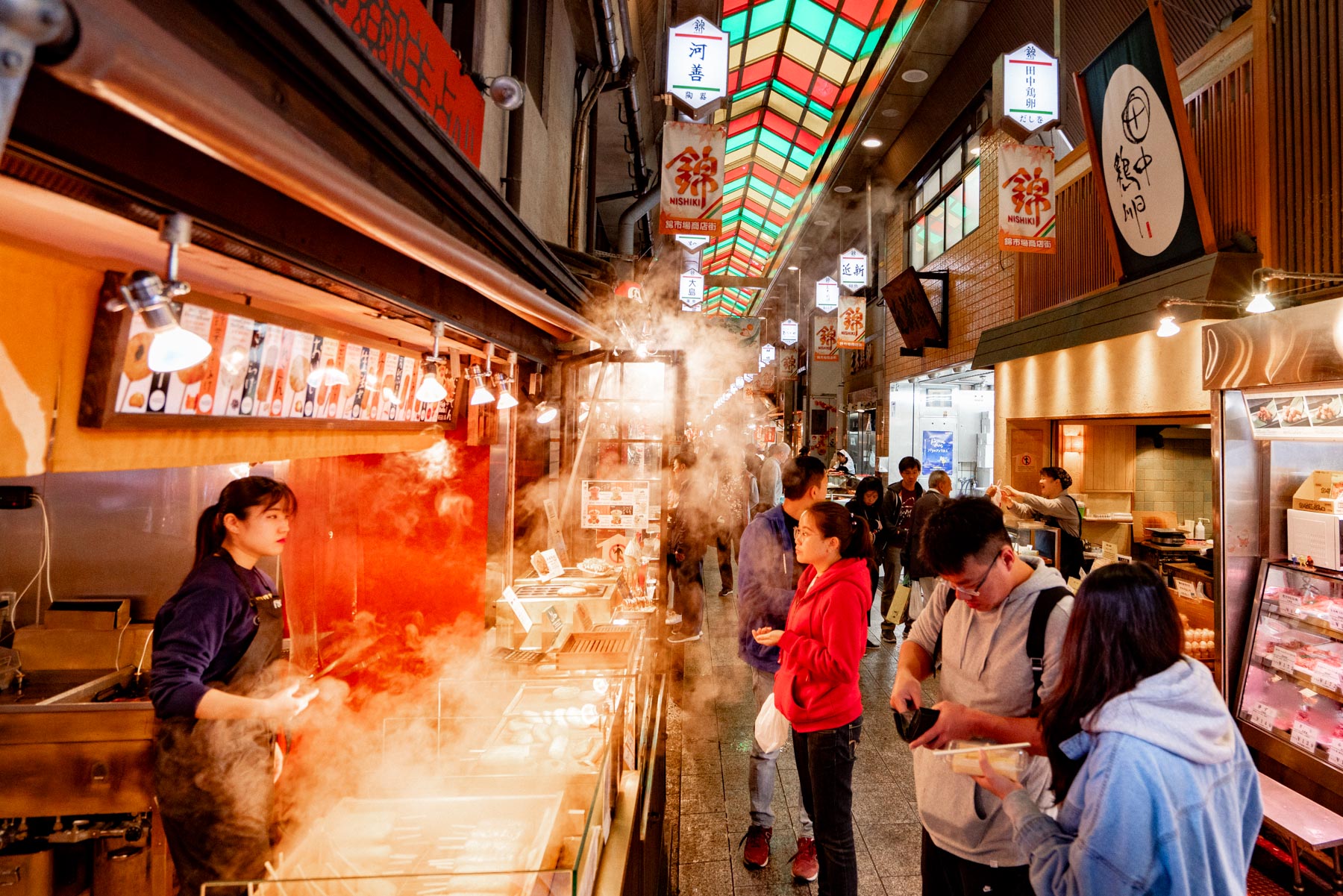
Use Tabelog instead of Google Reviews. Google Reviews in Tokyo are inflated by tourists. Tabelog is what Japanese people actually use, and the rating scale is much harsher. A 3.5 on Tabelog is genuinely good. A 3.8 is exceptional. Anything above 4.0 probably has a months-long waitlist.
Look for lines of Japanese people. Not tourist lines. Japanese people lines. If there’s a queue of locals at lunchtime, the food is good and the price is right.
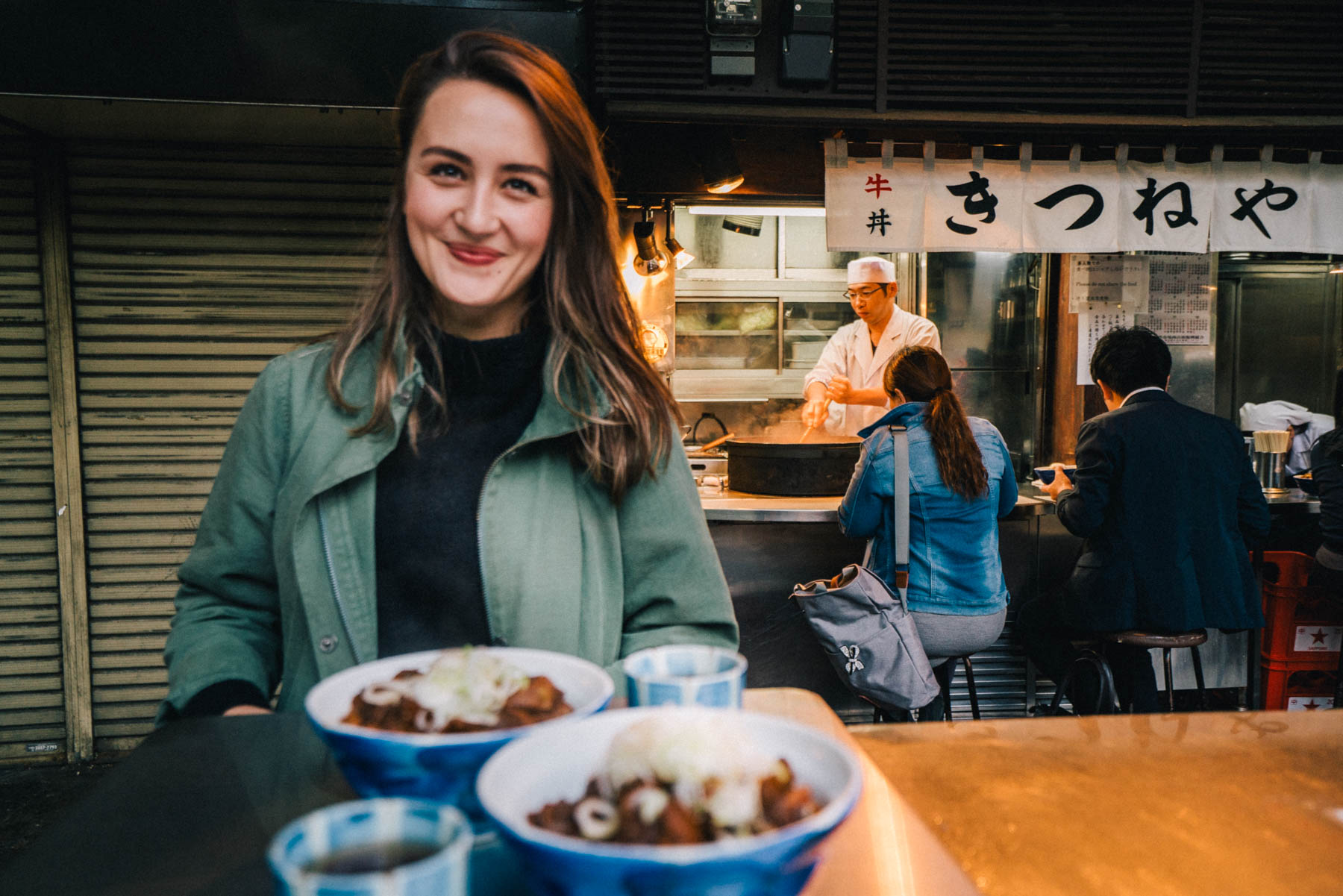
And honestly? Convenience store food at 7-Eleven is better than most tourist restaurants. I’m not kidding. Their onigiri, egg sandwiches, and fried chicken are legitimately delicious. We ate 7-Eleven egg salad sandwiches for breakfast most mornings and I have zero regrets.
For a next-level experience, go to a depachika (department store basement food hall). The one at Isetan in Shinjuku is legendary. We stood in front of the wagyu beef section for 15 minutes just looking at it.
7. Being Afraid of Conveyor Belt Sushi
Before Japan, the words “conveyor belt sushi” made me think of dried-out California rolls circling a sad buffet at a mall food court.
Japanese conveyor belt sushi is a completely different universe.
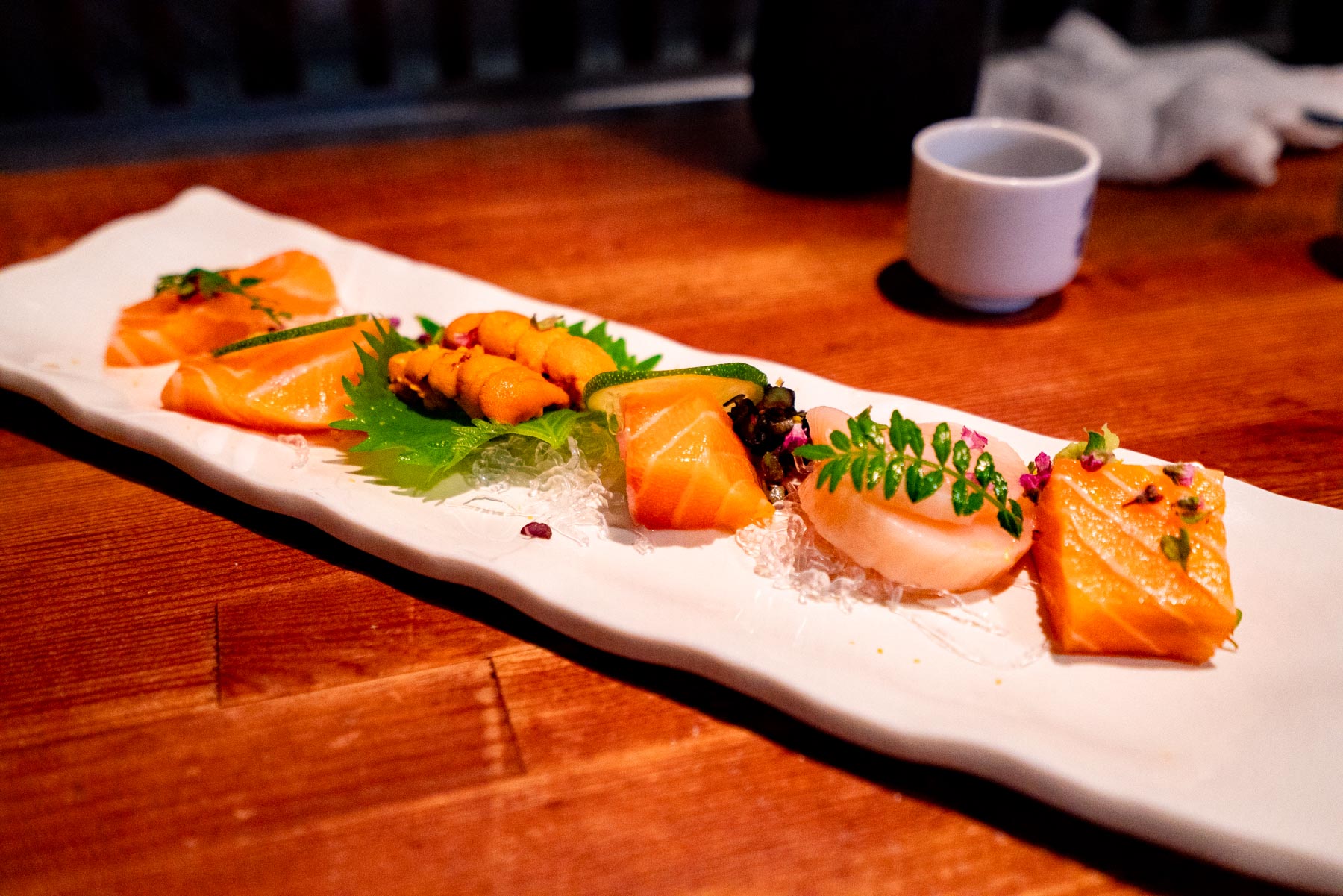
Sushiro, Kura Sushi, and Hamazushi are the big three chains. Plates start at ¥120-150 (about $1 USD). For that price you get two pieces of sushi made with fish that is fresher than what most American sushi restaurants serve at ten times the price. I will die on this hill.
We went to Sushiro three times. Three times. We spent about ¥2,500 per person each visit (roughly $17) and ate ourselves silly. The salmon was buttery. The tuna melted. The shrimp tempura roll had no business being that good for a dollar.
Don’t be a snob about this. Some of the best sushi in Japan comes on a conveyor belt, and you’ll spend less on dinner than you would on a single cocktail in Roppongi. Order from the tablet at your table, eat until you can’t move, and stack your plates with pride.
8. Not Knowing the Train Etiquette
Nobody tells you the train rules before you go. You just have to figure them out by accidentally breaking all of them, which is exactly what we did.
No phone calls on the train. Ever. This is the big one. I watched a tourist take a FaceTime call on the Yamanote Line and the entire car stared at him with the quiet, devastating disapproval that only Japanese commuters can deliver. It was brutal.
Keep conversations whisper-quiet. Like, quieter than you think. Then quieter than that. Your “indoor voice” from America is still too loud for a Tokyo train.
Backpacks go in front of you (wear it on your chest) or up on the luggage rack. Not on your back, where it smacks people every time you turn. Priority seats are actually priority seats, not “priority seats unless you’re kinda tired.” Give them up for elderly people, pregnant women, and people with disabilities. Always.
Eating on local trains is a no. The shinkansen (bullet train) is fine, and the bento box culture on the shinkansen is actually one of the best parts of long-distance travel in Japan. But on regular city trains, put the onigiri away.
On escalators in Tokyo, stand on the left and walk on the right. This is the opposite of Osaka, which stands on the right. Don’t ask me why. Japan has regional escalator politics and I respect it.
And the last train is around midnight. Miss it and you are stuck until about 5am when trains start running again. Taxis exist but they’re expensive. We missed the last train once, spent ¥8,000 on a cab, and vowed never again. Plan accordingly, or just commit to staying out all night. Tokyo is good at that too.
9. Ignoring the Shoe Rules
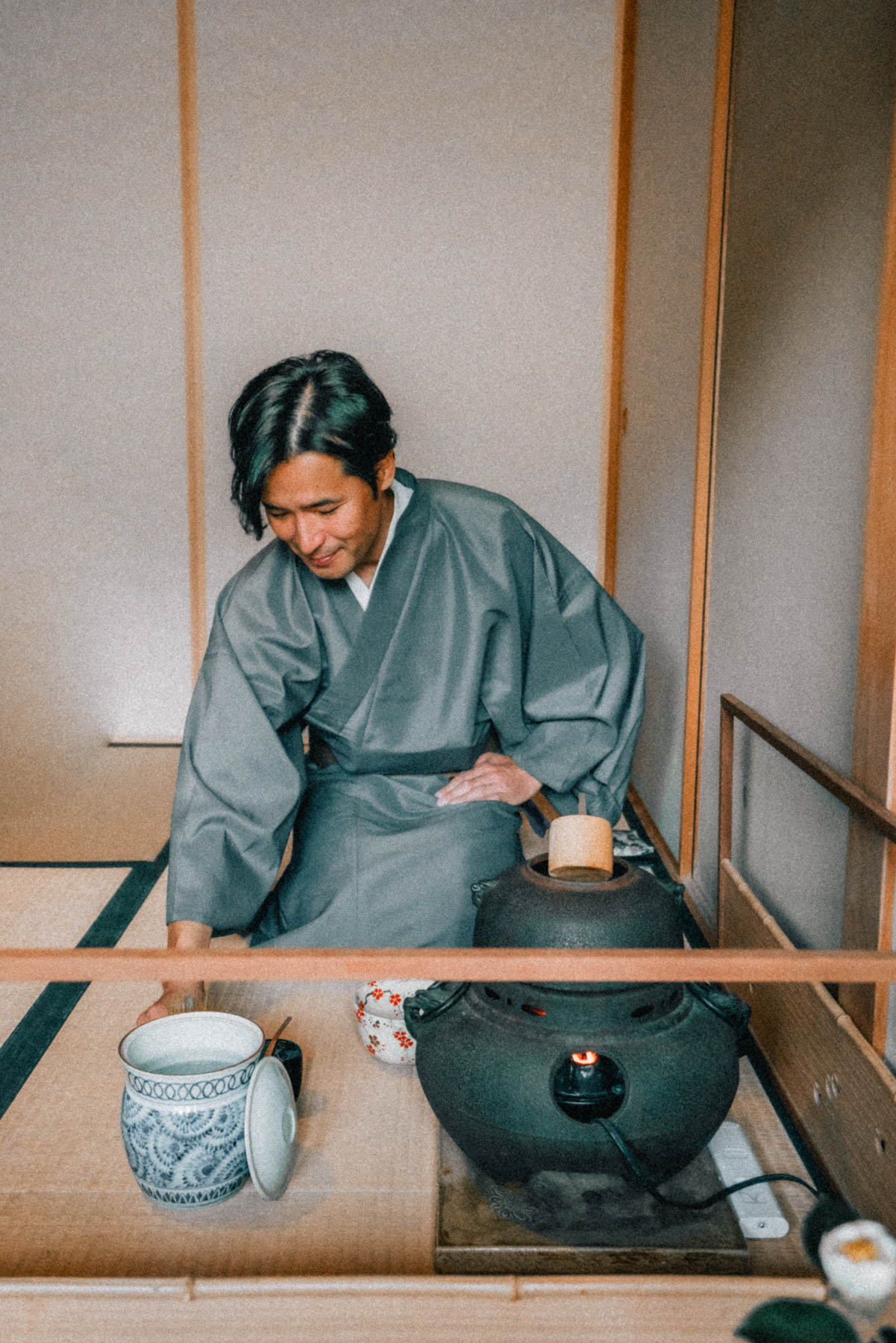
If you see a step up at the entrance (it’s called a genkan) or a row of shoes by the door, your shoes come off. Period. This is not negotiable and there’s no “oh I didn’t see it” grace period.
This applies to homes (obviously), but also to traditional restaurants, temple interiors, ryokans, some museum sections, and even certain fitting rooms. When in doubt, look down. If there’s a shoe situation happening at the entrance, participate in the shoe situation.
Practical tip that nobody tells you. Wear socks without holes. Check your socks before you leave the hotel every morning. I cannot stress this enough. You will be removing your shoes in public multiple times per day. That tiny hole in your big toe sock? Everyone will see it. I know because I lived it.
Some places will have guest slippers. Use them. Some places will have separate toilet slippers inside the bathroom. Use those too, and for the love of everything, remember to switch back to the regular slippers when you leave the bathroom. Walking around a ryokan in toilet slippers is a level of tourist embarrassment you don’t need.
10. Forgetting About Luggage Forwarding
This is the one that made me genuinely mad at myself for not knowing sooner. We dragged two full-size suitcases through Tokyo Station during rush hour. Through the turnstiles. Down the stairs. Onto a packed train. I accidentally hit three people with my bag. It was horrible.
And the whole time, we could have just… shipped them.
Takkyubin (the most common service is Yamato Transport, look for the black cat logo called Kuroneko) will pick up your luggage from your hotel and deliver it to your next hotel. The cost is about ¥2,000-2,500 per bag (roughly $13-17 USD). Your hotel front desk can arrange it for you. Just fill out the form, hand over your bag, and it’ll be waiting at your next stop.
This works between cities too. Sending your bags from Tokyo to Kyoto? Done. They’ll arrive the next day. You travel with just a daypack, stroll onto the shinkansen like a free human being, and your suitcase magically appears at your ryokan.
This is one of the best things about traveling in Japan and almost nobody from outside the country knows about it. Use it. You’ll wonder why every country doesn’t do this.
Go Make Your Own (Better) Mistakes
Look, Tokyo is one of the most extraordinary cities on the planet. You could make every single one of these mistakes and still have the trip of your life. It’s that good.
But avoiding them? That just means more money for conveyor belt sushi, more time wandering through neighborhoods you’ve never heard of, and fewer moments standing on a packed rush-hour train with a suitcase you could have shipped for $15.
For more Japan trip planning, check out our Japan 10-day itinerary, our full list of things to do in Tokyo, and our Japan travel tips guide. If you’re heading to Kyoto too, don’t miss our guide to the best things to do in Kyoto and the beautiful fall colors in Kyoto.
And don’t forget to sort out your Japan pocket wifi before you go. Trust us on that one.
Now go book that trip. Tokyo is waiting, and it’s better than you think.
The Japan National Tourism Organization has helpful information on etiquette and transit passes.
Four to five days minimum. Tokyo is massive and each neighborhood feels like its own city. Rushing through it in two days means you will barely scratch the surface of Shinjuku, let alone Shimokitazawa or Yanaka.
No. Tokyo is surprisingly easy to navigate without Japanese. Train stations have English signs, restaurants have picture menus, and Google Translate handles the rest. Learning basic phrases is polite but not required.
Less than most people expect. Seriously good ramen costs $8, convenience store food is genuinely great, and trains are cheap. Hotels are the biggest expense, but even those run less than comparable cities like London or New York.
Not if you are staying only in Tokyo. A simple Suica or Pasmo card works better and cheaper for city travel. The JR Pass only makes sense if you are taking bullet trains to Kyoto, Osaka, or other cities.
Late March to mid-April for cherry blossoms, or November for fall colors. Both seasons have comfortable weather and dramatic scenery. Avoid Golden Week in late April to early May when the whole country travels at once.