





Here is what nobody tells you about Tokyo. It might be the most expensive-sounding city in the world that is actually, genuinely cheap.
I’m serious. We spent less per day in Tokyo than we did in Paris, London, or even Barcelona. And we weren’t sleeping on park benches. We were eating $5 ramen that would cost $18 in New York, riding trains that show up every 90 seconds, and sleeping in places so clean they made our apartment back home look grimy.
The trick with Tokyo isn’t just knowing where to save money. It’s understanding that the entire city is built around systems that happen to be budget-friendly. Convenience stores that serve better food than most restaurants. A transit card that works everywhere. 100-yen shops that sell everything you forgot to pack.
This guide is organized by how you’re traveling, because a solo backpacker and a family of four need very different advice. Everything here comes from our actual trips, with real prices, real names, and real opinions.

Three Systems That Make Tokyo Secretly Cheap
Before I get into the specifics, you need to understand three things about Tokyo that change the entire budget equation.
The Convenience Store Revolution
Japanese convenience stores are nothing like the sad, fluorescent-lit 7-Elevens you know from home. FamilyMart, Lawson, and 7-Eleven in Tokyo stock fresh onigiri (rice balls) for ¥120 to ¥180 ($0.80 to $1.25), bento boxes for ¥400 to ¥600 ($2.75 to $4.15), and egg sandwiches so fluffy they will ruin all other egg sandwiches for you forever.
We ate convenience store breakfasts almost every morning. ¥300 to ¥500 ($2 to $3.50), and honestly? Some of those meals were highlights of the trip. The onigiri at FamilyMart alone is worth the flight.
The IC Card That Runs Your Life
Get a Suica or Pasmo card (they work identically) the moment you arrive. These rechargeable IC cards work on every train line, every bus, and at convenience stores, vending machines, and coin lockers. Individual rides cost ¥170 to ¥320 depending on distance.
You can now add a Suica card directly to your iPhone wallet, which means you don’t even need a physical card. Just tap your phone at the gate. It sounds small, but this one card eliminates the biggest headache of navigating a foreign transit system.
100-Yen Shops Are Not Dollar Stores
Daiso and Can Do sell everything from umbrellas to phone chargers to snacks for ¥100. Need a rain poncho? ¥100. Travel toiletries? ¥100. Chopstick set for a souvenir? ¥100. These shops are legitimately useful, not just novelty. We bought probably a dozen things at Daiso in Harajuku that would have cost us ¥500 to ¥1,000 each elsewhere.
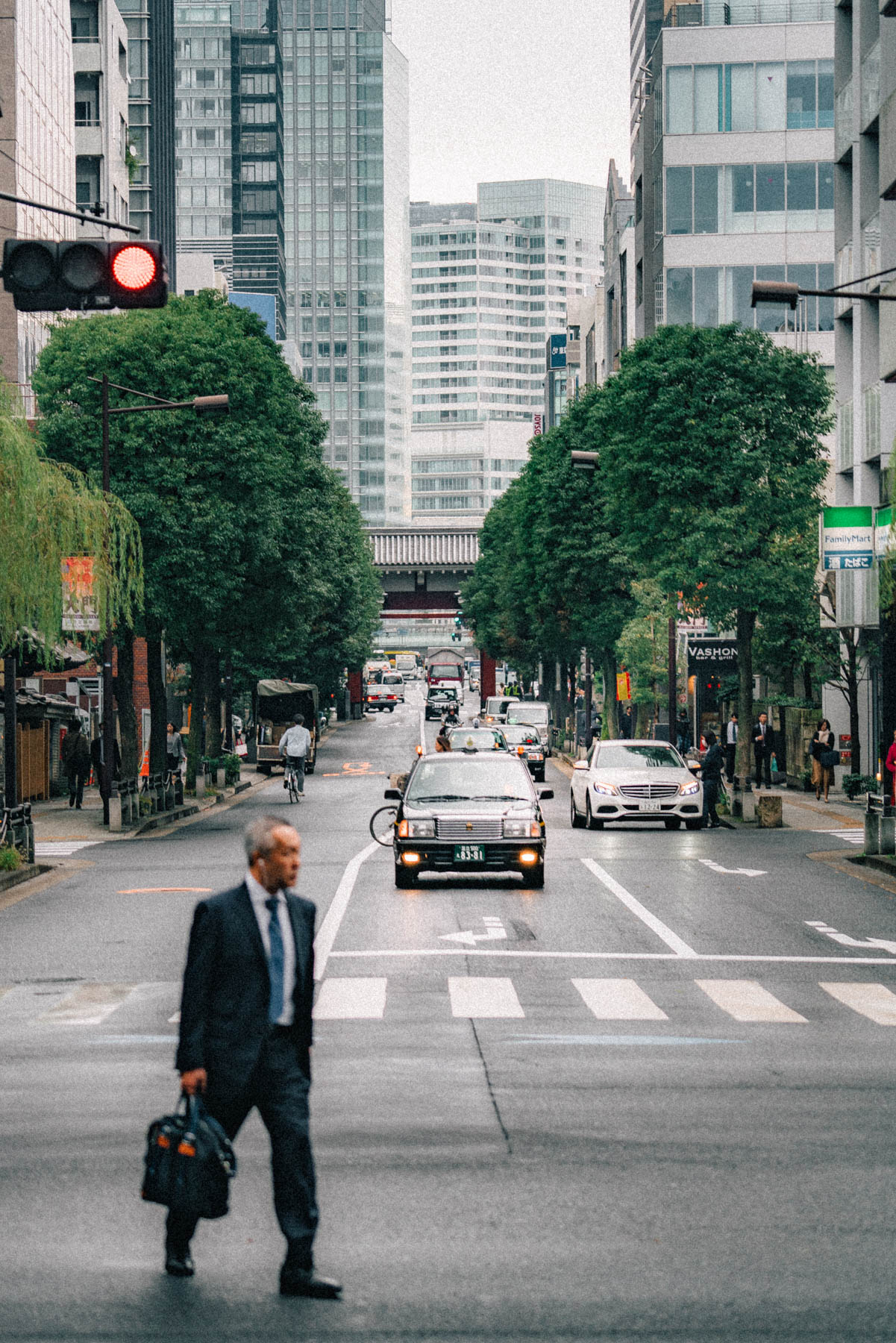
Budget Tokyo for Solo Backpackers
Solo travelers have the biggest advantage in Tokyo because the city was basically designed for people doing things alone. Ramen shops have solo counter seats. Capsule hotels exist. Nobody looks at you twice for eating dinner by yourself at 11 PM.
Where to sleep. Capsule hotels are the move, and modern ones like Nine Hours in Shinjuku or The Millennials in Shibuya feel more like staying in a sleek spaceship than a coffin. Each pod has USB charging, adjustable lighting, and privacy curtains. Shared bathrooms are immaculate. Expect ¥3,000 to ¥5,000 per night ($20 to $35 USD).
For even cheaper, hostels in Asakusa like Khaosan World Asakusa and Nui. Hostel & Bar Lounge offer dorm beds for ¥2,000 to ¥3,500 ($14 to $24). In Shinjuku, Imano Tokyo Hostel puts you right in the action for similar prices.
And in a pinch, manga cafes like Manga Kissa Popeye offer private booths with reclining chairs, free drinks, showers, and Wi-Fi for about ¥1,500 to ¥2,500 ($10 to $17) overnight. Thousands of locals use them for budget overnights. Not glamorous. Very Tokyo.
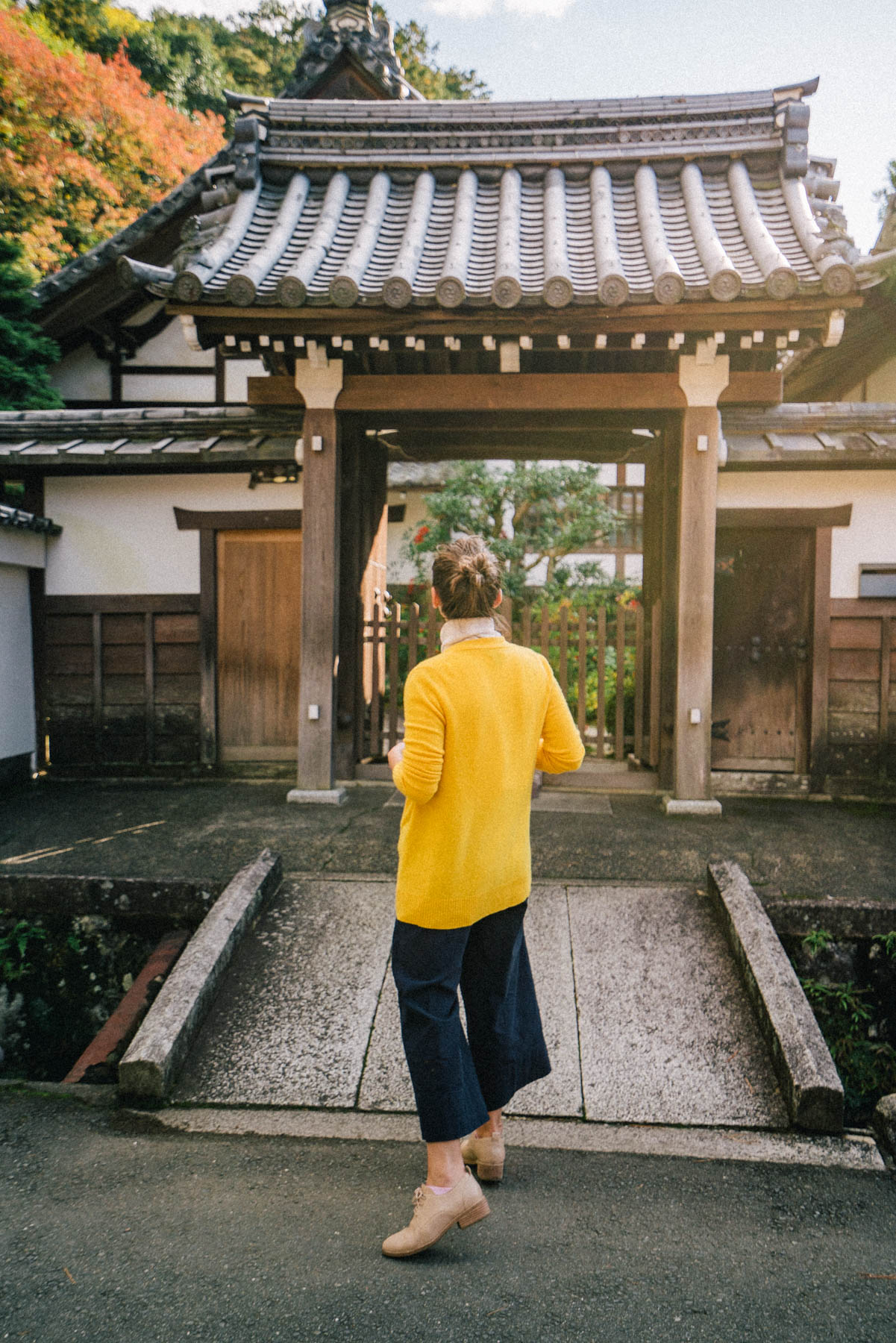
What to eat. Ramen is your best friend. Fuunji in Shinjuku does impressive tsukemen (dipping ramen) for about ¥850. Ramen Nagi in Golden Gai serves bowls starting at ¥900. Ichiran, the famous solo-booth chain where you literally can’t see the person making your food, costs about ¥980 for their signature tonkotsu bowl. Most shops let you add extra noodles (kaedama) for just ¥100 to ¥150.
Standing sushi joints like Uogashi Nihon-Ichi near Shibuya station serve individual pieces of fresh nigiri starting at ¥80 to ¥150 per piece. You build your own meal, piece by piece, for ¥1,000 to ¥1,500 ($7 to $10). Conveyor belt spots like Genki Sushi and Sushiro start at ¥100 per plate.
Your daily budget. Around ¥8,000 / $55 USD per day. Capsule or hostel for ¥3,000. Convenience store breakfast for ¥400. Ramen or gyudon for lunch at ¥800. Conveyor belt sushi dinner for ¥1,200. Metro rides for ¥600. Snacks and a vending machine coffee for the rest.
Budget Tokyo for Couples
Couples have one big advantage in Tokyo. You split the room, and rooms are the single biggest expense. Everything else stays cheap.
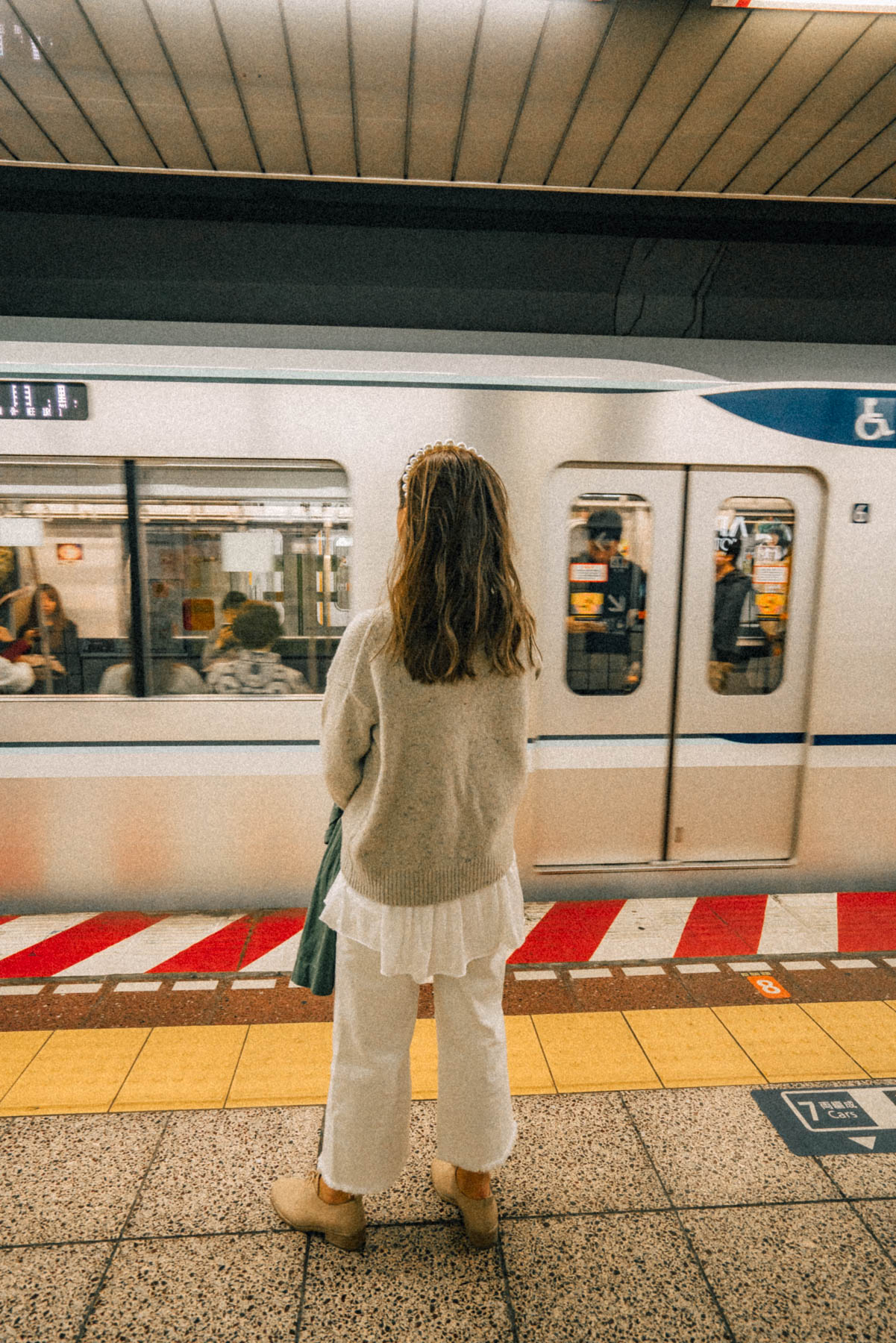
Where to sleep. Business hotels are the sweet spot. Chains like Toyoko Inn, APA Hotel, and Dormy Inn offer tiny but functional rooms with private bathrooms for ¥6,000 to ¥10,000 ($40 to $70) per night. That’s ¥3,000 to ¥5,000 per person.
Dormy Inn is my personal favorite because they include free late-night ramen. Yes, you read that right. Free ramen. They also have onsen-style baths on-site, which makes them feel much fancier than the price suggests.
Where to eat together. This is where izakayas shine. These Japanese pub-style restaurants let you order tons of small plates to share, which is way more fun as a couple than eating solo at a ramen counter. Budget ¥2,500 per person for dinner at an izakaya with a couple of drinks.
For lunch, chase the set menus (teishoku). Many restaurants offer the same dishes at lunch for 30 to 50 percent less than dinner prices. A sushi set that costs ¥3,000 at dinner might be ¥1,200 at lunch. Ginza and the area around Tokyo Station are particularly good for this.
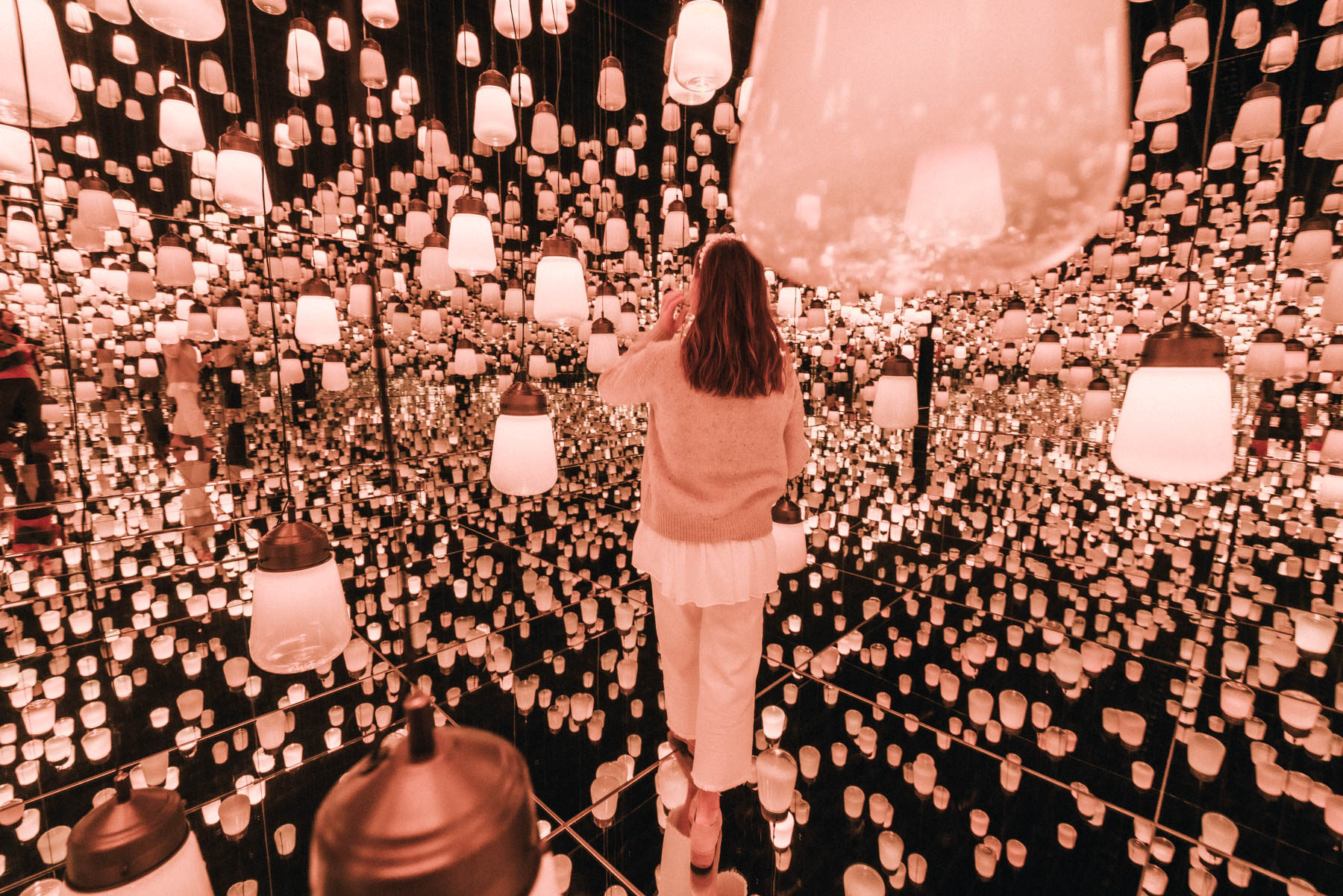
Your daily budget (per person). Around ¥10,000 to ¥12,000 / $70 to $83 USD. Business hotel split two ways for ¥3,500 to ¥5,000. Bakery or hotel breakfast for ¥500. Lunch teishoku for ¥1,200. Izakaya dinner with drinks for ¥2,500. Metro for ¥800. One paid attraction like TeamLab or Shibuya Sky for ¥2,000 to ¥3,000.
Budget Tokyo for Families
Good news. Tokyo is one of the most family-friendly cities on the planet, and kids under 6 ride the trains for free. Kids 6 to 11 pay half fare.
Where to sleep. Look for Airbnbs or apartment-style hotels in Asakusa or Shinjuku. A two-bedroom apartment runs ¥10,000 to ¥18,000 per night ($70 to $125), which splits much better for a family of four than booking two hotel rooms. Having a kitchen means you can make some meals at home with groceries from a nearby supermarket or convenience store.
What to do with kids. The free stuff in Tokyo is genuinely entertaining for children. Meiji Shrine’s 170-acre forest is perfect for running around. Ueno Park has a zoo (¥600 for adults, free for kids under 12). The arcades in Akihabara cost ¥100 per game. Yoyogi Park is great for a picnic afternoon. And Tsukiji Outer Market lets kids sample grilled scallops (¥300), tamagoyaki (¥100), and strawberry mochi (¥200).
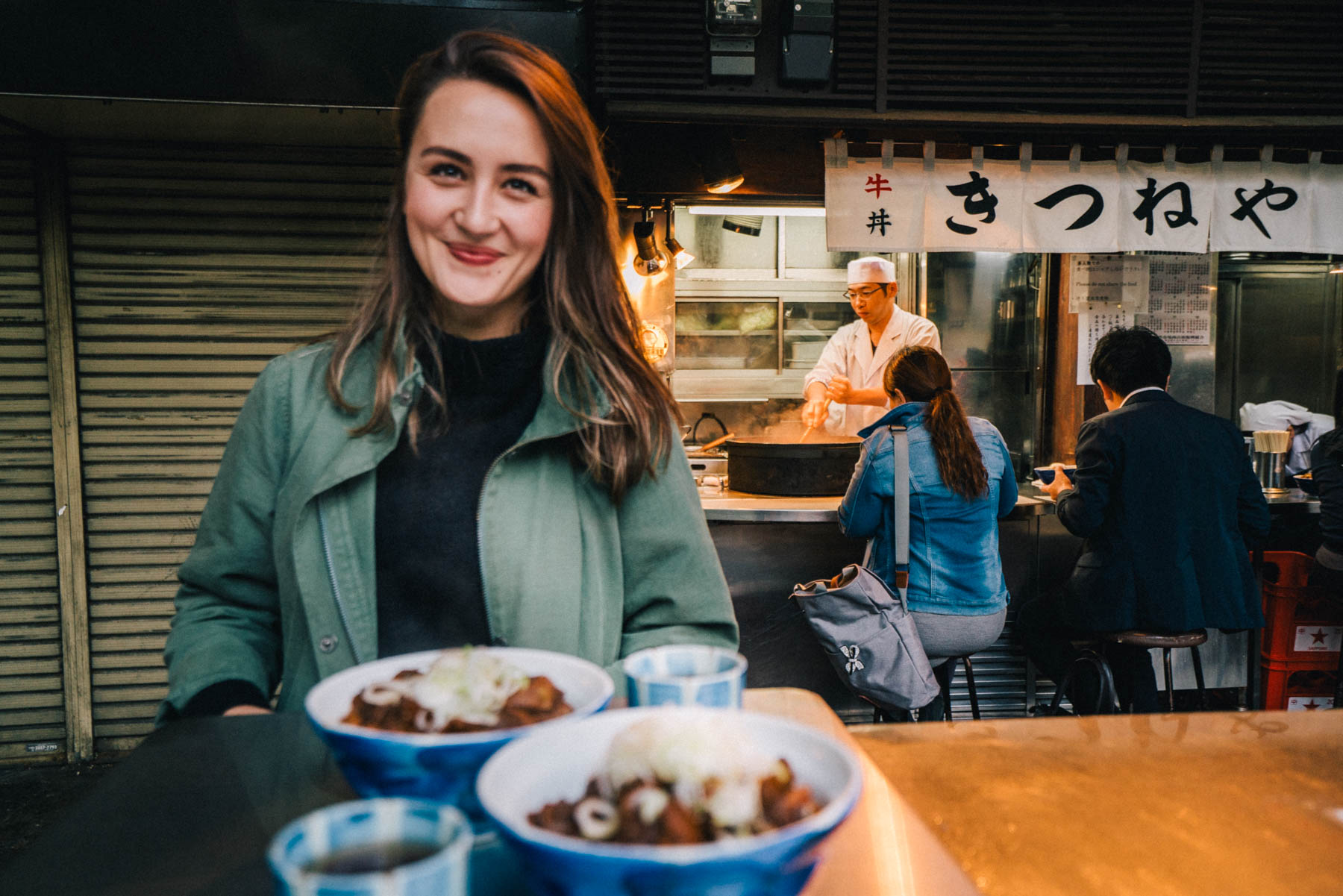
Feeding a family cheaply. Conveyor belt sushi places like Sushiro are practically designed for families. Kids love picking plates off the belt, and at ¥100 to ¥150 per plate, a family of four eats well for ¥3,000 to ¥5,000 total. Convenience store bento boxes are another lifesaver for that inevitable “everyone is hungry and nobody can agree on a restaurant” moment.
Family daily budget (total for 2 adults, 2 kids). Around ¥25,000 to ¥35,000 / $170 to $240. Apartment for ¥12,000 to ¥18,000. Convenience store breakfasts for ¥1,200. Lunch at a ramen or gyudon chain for ¥2,500. Dinner at conveyor belt sushi for ¥4,000. Metro for ¥1,200. One activity for ¥2,000.
The Food That Makes Tokyo a Budget City
I’ve scattered food tips throughout the sections above, but a few things deserve their own spotlight because they change how you think about eating in Tokyo.

Depachika (department store food halls). The basement floors of department stores like Isetan in Shinjuku, Daimaru near Tokyo Station, and Takashimaya in Nihombashi have food halls that are basically upscale food courts. You can sample free bites, buy beautifully packaged bento boxes for ¥500 to ¥1,000, and grab discounted items in the evening. Show up 30 to 60 minutes before closing and many items get marked down 20 to 50 percent.
Vending machine drinks. Water, tea, and coffee from vending machines cost ¥100 to ¥160, compared to ¥400 or more at a cafe. The canned coffee from Boss or Georgia is genuinely good. There’s a vending machine on literally every block, so you never need to step into a cafe just for caffeine.
No tipping. This changes everything. Your ¥800 ramen is ¥800. Period. No service charge, no tax surprises at most restaurants. What you see is what you pay. Coming from the U.S., this alone makes Tokyo feel 20 percent cheaper.
Free water at every restaurant. Every sit-down restaurant in Japan gives you free water or tea when you arrive. No need to order drinks with meals, which saves ¥300 to ¥500 per sitting.
Getting Around Without Overspending
Here’s my honest take on the JR Pass. If you’re only staying in Tokyo, skip the Japan Rail Pass entirely. It costs ¥50,000 ($345) for a 7-day pass, and you won’t come close to using that on metro rides. The JR Pass only makes sense if you’re also traveling to Kyoto, Osaka, or Hiroshima as part of a broader Japan itinerary. For Tokyo-only trips, just use your IC card.
The single biggest money-saving transport tip is walking. Many of the neighborhoods you’ll want to explore are 15 to 30 minutes apart on foot. Shibuya to Harajuku, Asakusa to Ueno, Shinjuku to Kabukicho. Walking also means you’ll stumble into tiny ramen shops, small shrines, and back-alley izakayas that you’d completely miss underground.
For a pocket Wi-Fi rental (about ¥500 to ¥800 per day), you get Google Maps, menu translations, and train route lookups without international roaming fees. Worth every yen.
Free Tokyo That Doesn’t Feel Free
Tokyo has an absurd number of free attractions. Not “free-ish.” Not “cheap.” Actually, genuinely free.
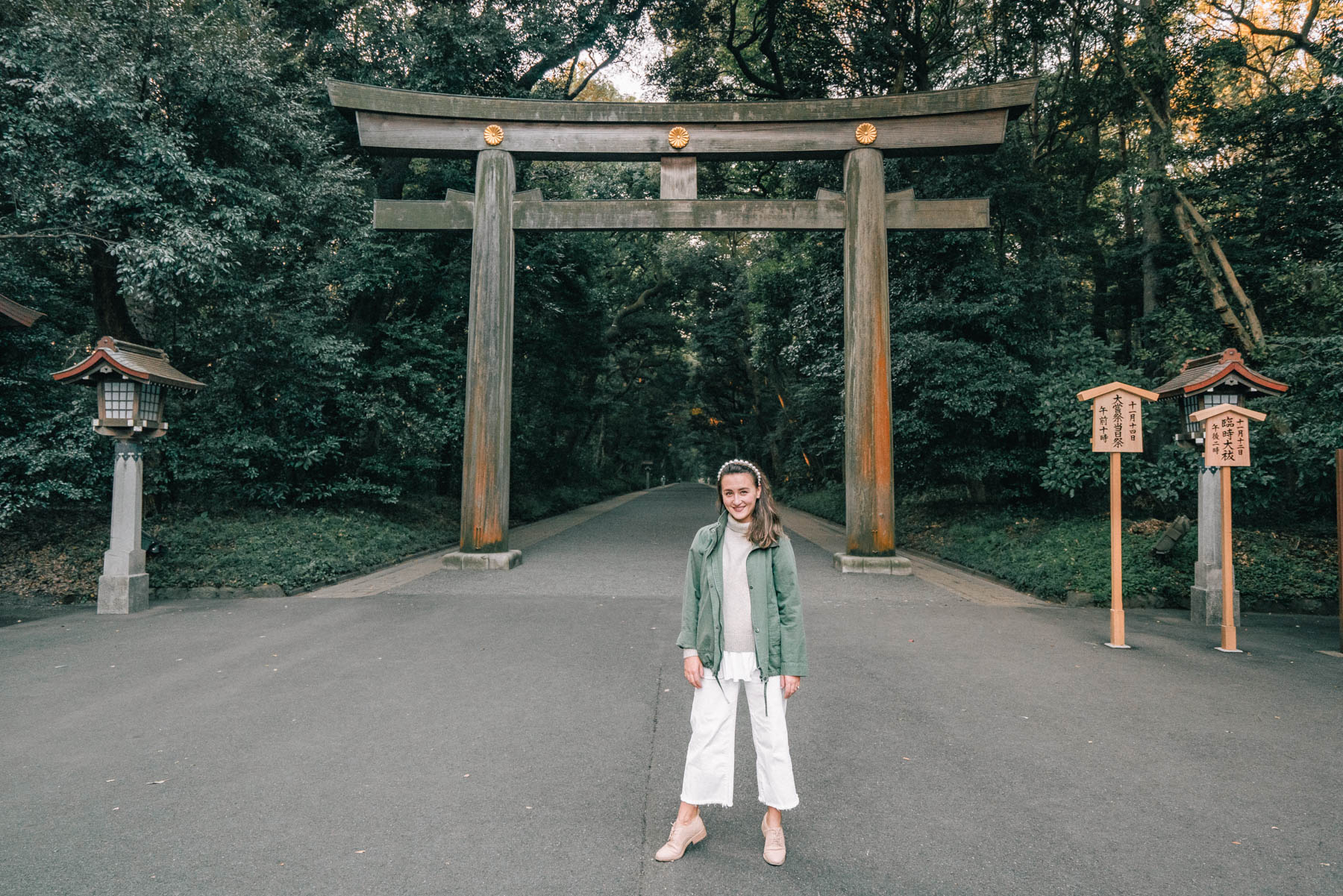
Meiji Shrine sits inside a 170-acre forest right next to Harajuku station. Walking through the massive torii gate and along the gravel path is one of the most peaceful experiences in the city.
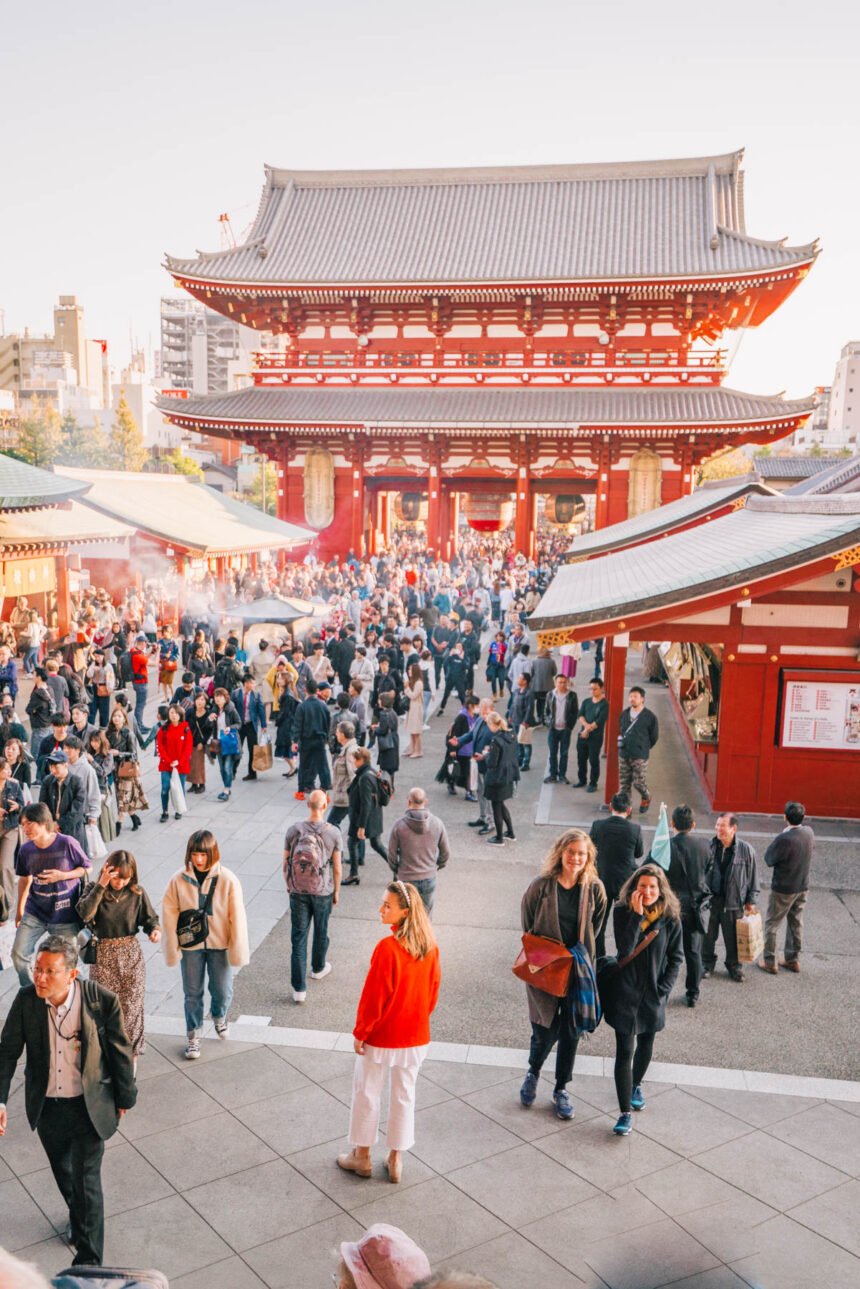
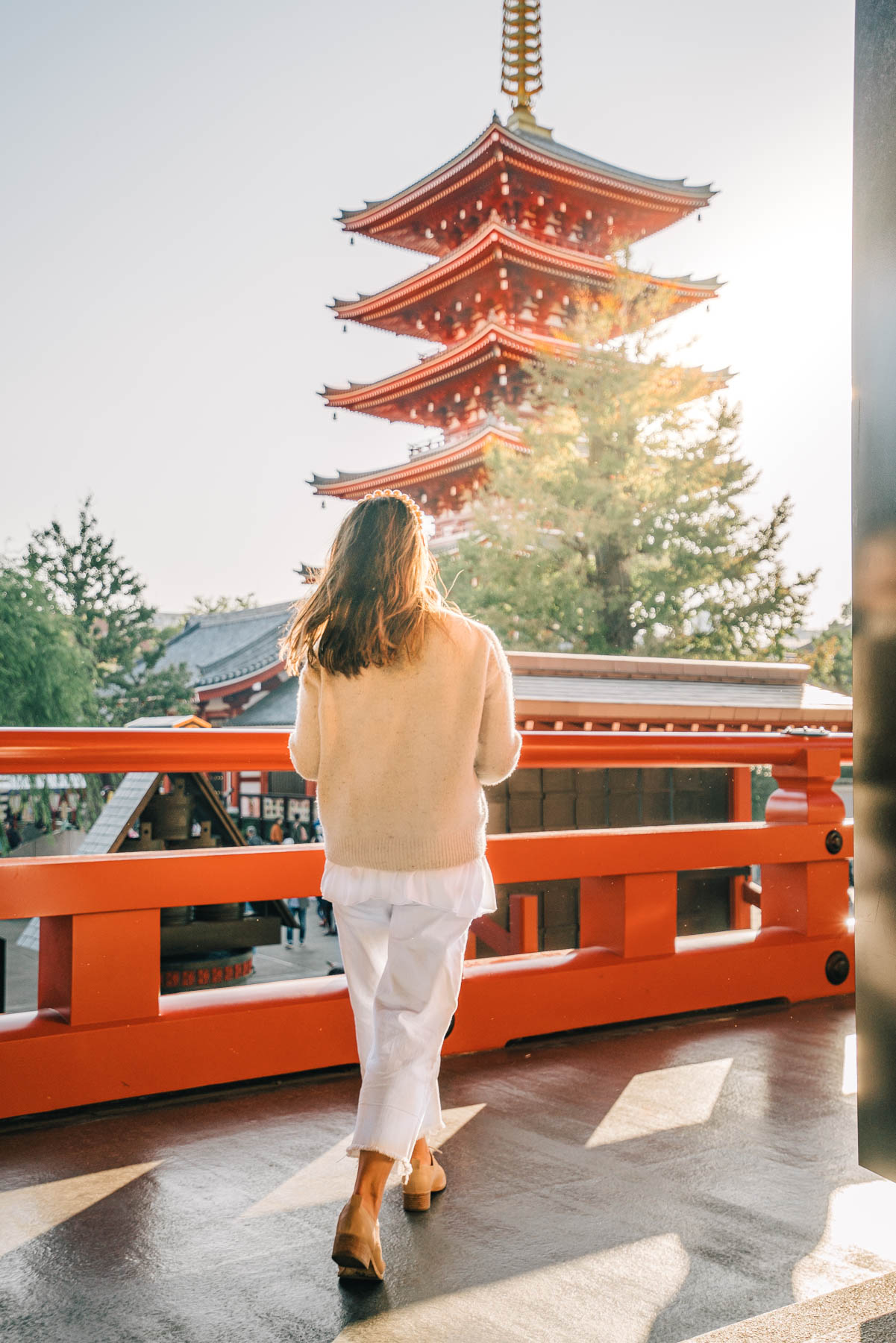
Senso-ji Temple in Asakusa is free to enter, and the Nakamise shopping street leading up to it has cheap street snacks like melon pan and senbei for ¥100 to ¥300. Visit early morning for the best light and smallest crowds.
Tsukiji Outer Market is still very much alive. Fresh tamagoyaki for ¥100, grilled scallops for ¥300, strawberry mochi for ¥200. It’s less a tourist trap and more a really good food market.
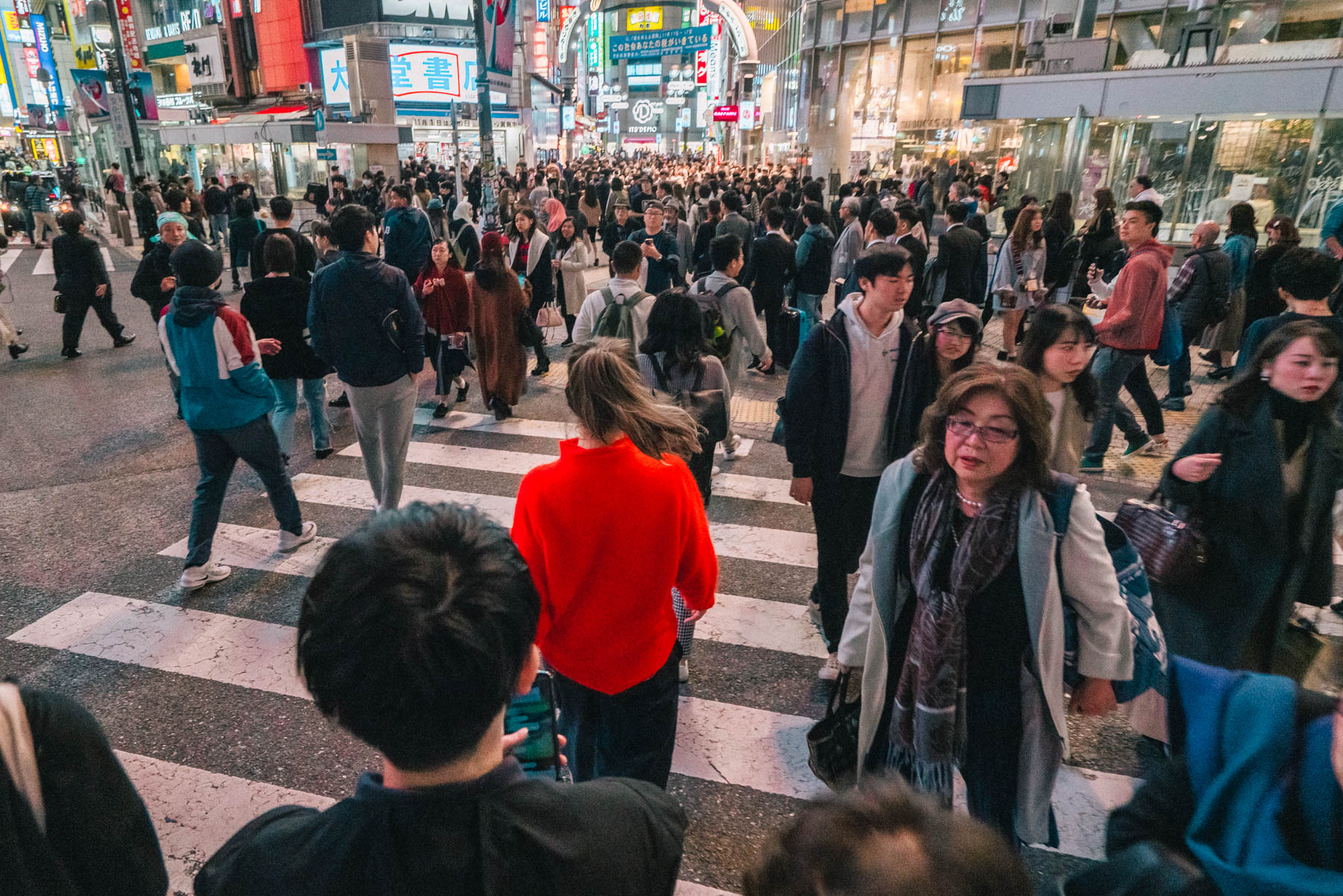
The Shibuya Scramble from the Starbucks above the crossing is free (with a ¥400 coffee purchase). Harajuku’s Takeshita Street is a carnival of fashion, crepe shops, and street performers.
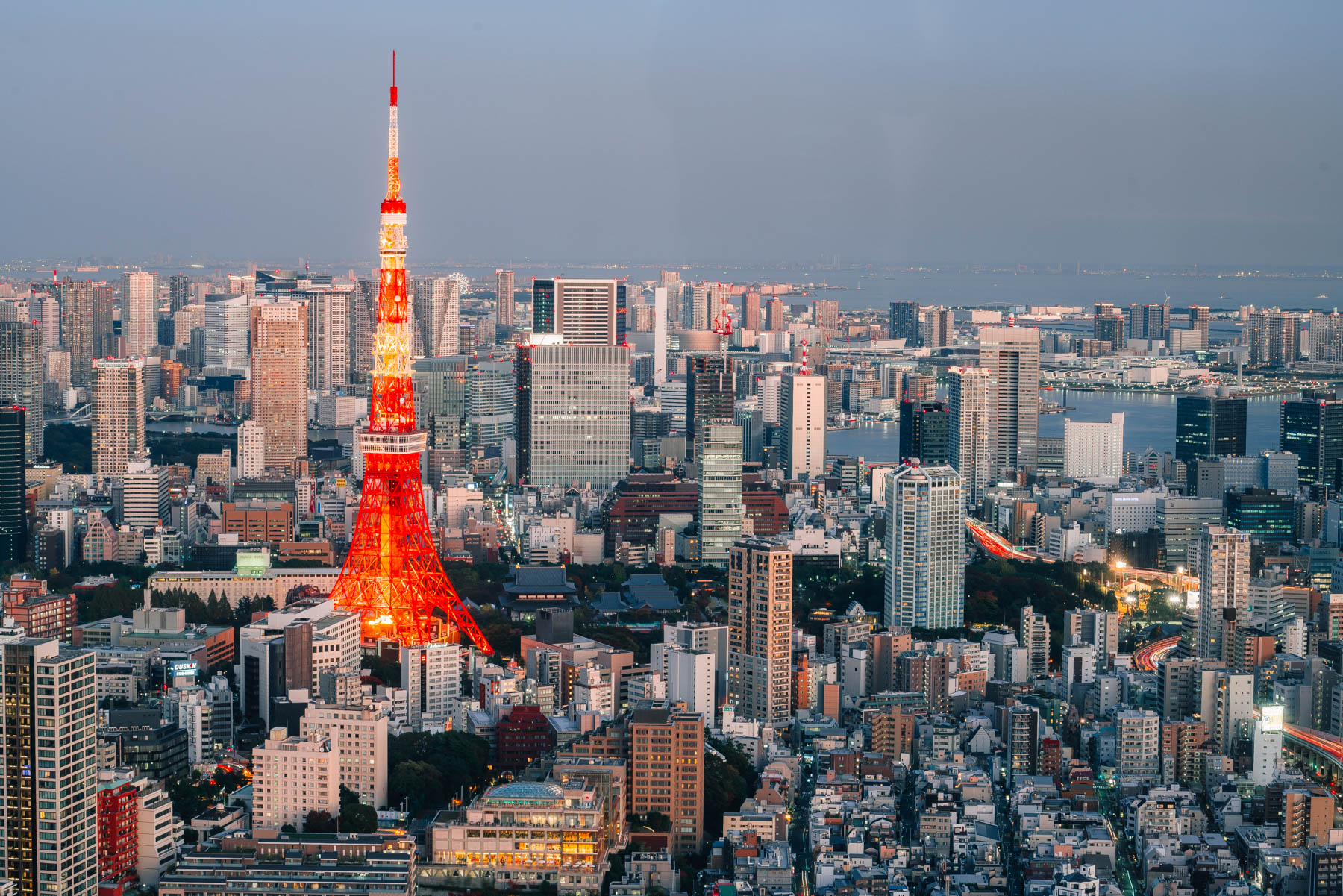
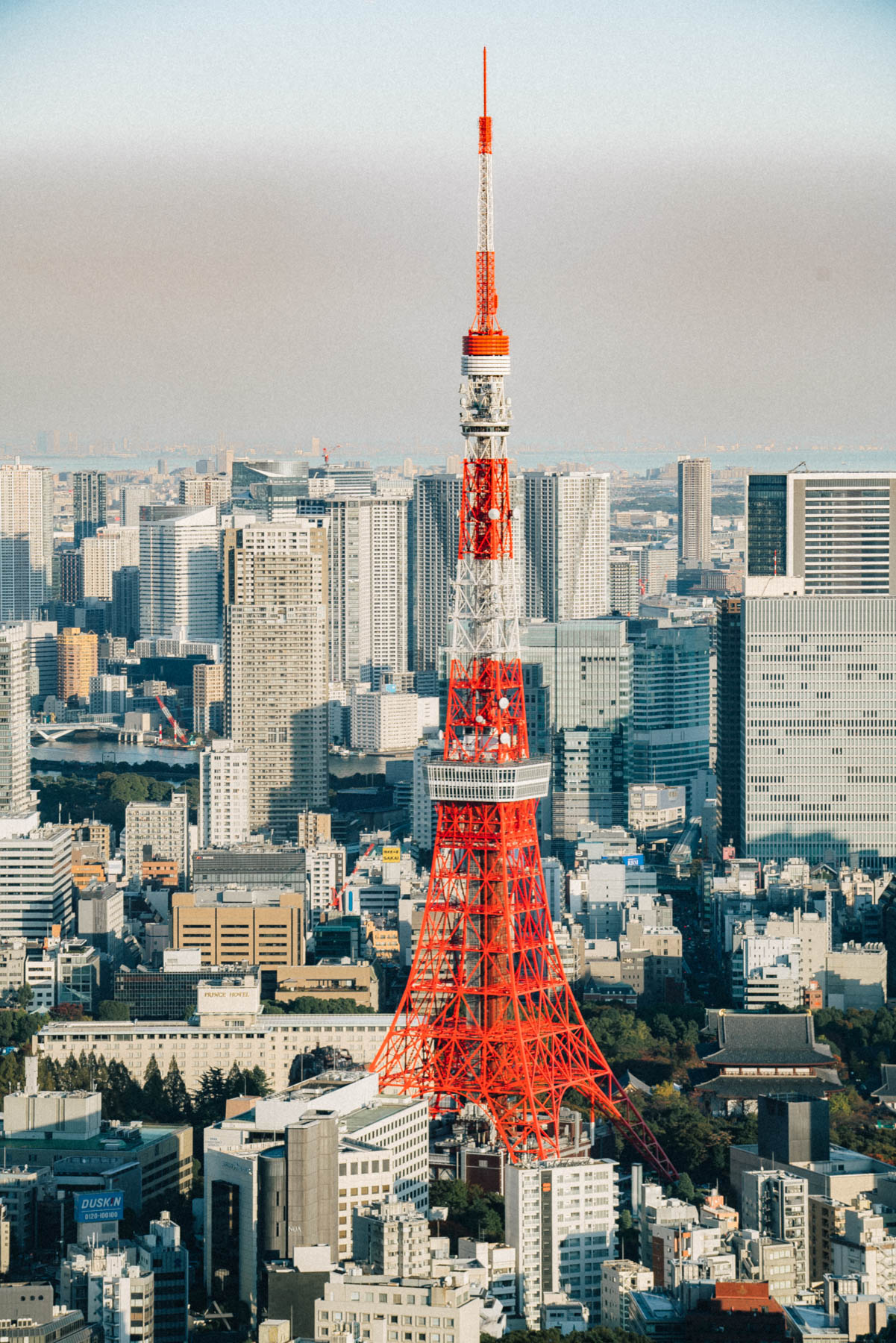
Tokyo Metropolitan Government Building in Shinjuku has a free observation deck on the 45th floor with views that rival paid options. Open until 11 PM most nights. Skip the ¥2,000 Shibuya Sky if you’re on a tight budget and come here instead.
Park life. Yoyogi Park, Shinjuku Gyoen (¥500 entry, so almost free), and Ueno Park are perfect for picnicking or people-watching. If you visit in late March or early April during cherry blossom season, the hanami experience is one of the most magical things you’ll ever see.
Neighborhoods Worth a Full Day (For Free)
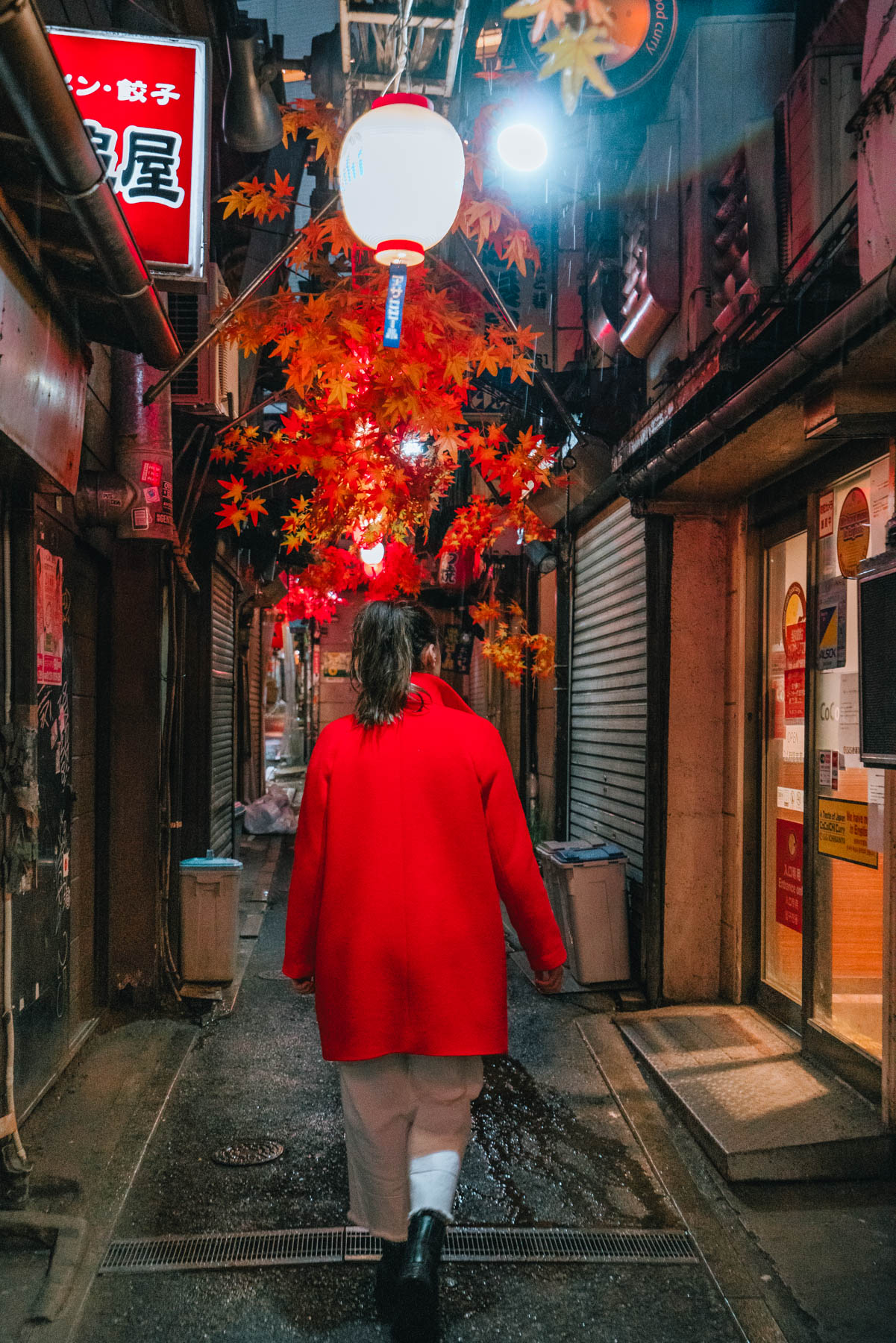
One of the smartest things you can do in Tokyo is pick a neighborhood each day and just walk it. No agenda, no tickets, no plan. Just you and the streets.
Shimokitazawa is Tokyo’s thrift store and vintage vinyl capital. Browse second-hand clothing shops, poke through used record bins, and grab a ¥500 curry at one of the tiny counter restaurants.
Yanaka is the neighborhood that survived the war and the earthquakes. Old wooden houses, temple cats, a cemetery that doubles as a cherry blossom park, and a shopping street (Yanaka Ginza) where almost everything costs under ¥500. Try the menchi katsu for ¥200. It’s perfect.
Koenji is where Tokyo’s punk and vintage scene lives. Used clothing stores sell entire outfits for ¥1,000 to ¥3,000 ($7 to $21). The izakayas here serve drinks for ¥300 to ¥500, roughly half what you’d pay in Roppongi or Shibuya.
Akihabara isn’t just for anime fans. Multi-story electronics shops, gashapon (capsule toy) machines at ¥100 to ¥500, and retro arcade games at ¥100 per round make it one of the cheapest entertainment zones in the city.
Use the Tabelog app instead of tourist recommendations when you’re exploring. It’s Japan’s version of Yelp, but actually reliable. Sort by rating and price to find seriously good local spots that charge half of what tourist-facing restaurants do.
The Verdict on Budget Tokyo
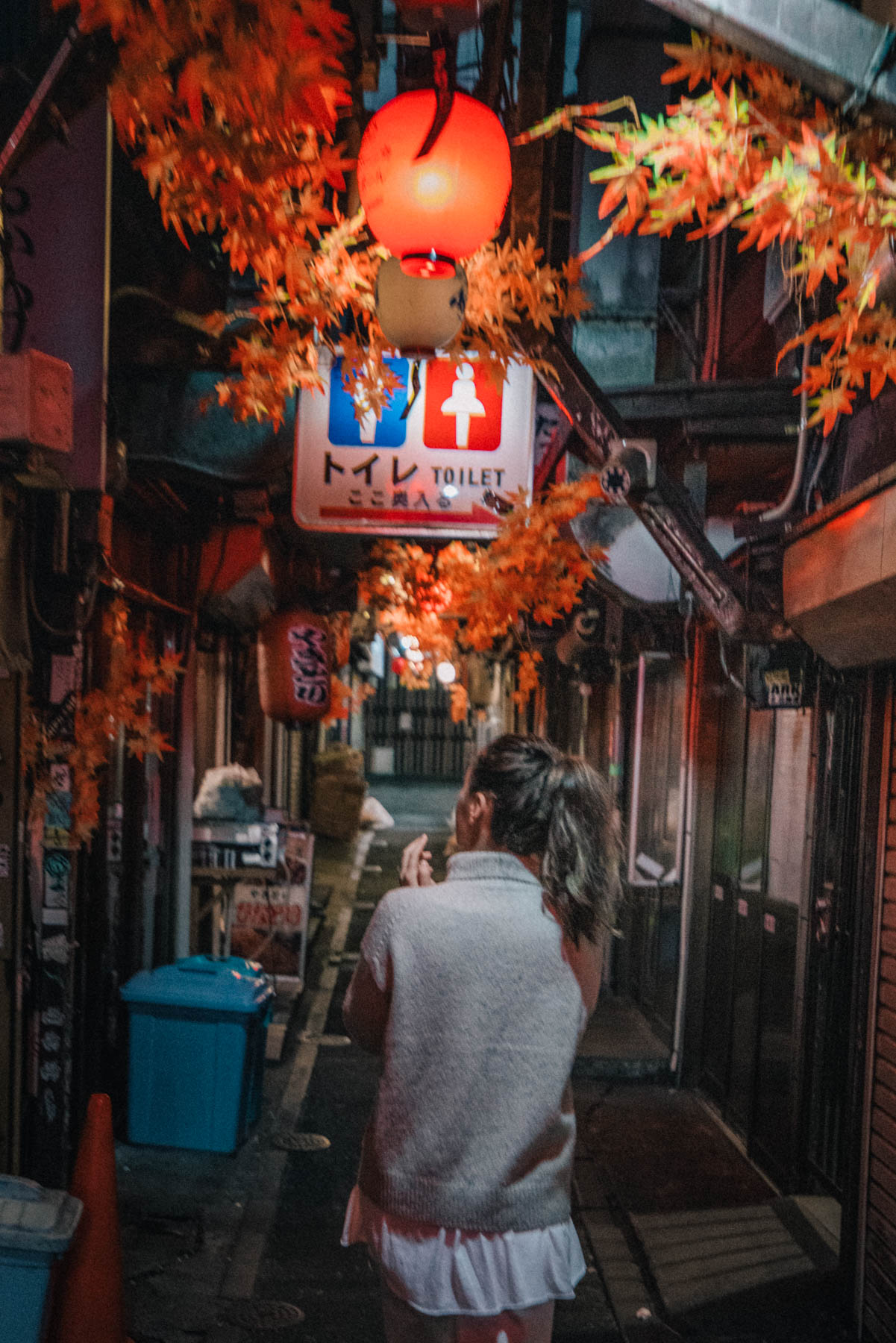
Budget Tokyo isn’t some watered-down version of the city. If anything, it’s more authentic. Eating at the counter of a tiny ramen shop, sleeping in a capsule pod, wandering through free shrines and markets. That’s the real Tokyo.
The city rewards curiosity and punishes lazy planning. Skip the overpriced tourist restaurants, learn a few neighborhood names, and let yourself get a little lost. Your wallet (and your stomach) will thank you.
For more help planning your trip, check out our full guide to things to do in Tokyo and our Japan travel tips for first-timers.