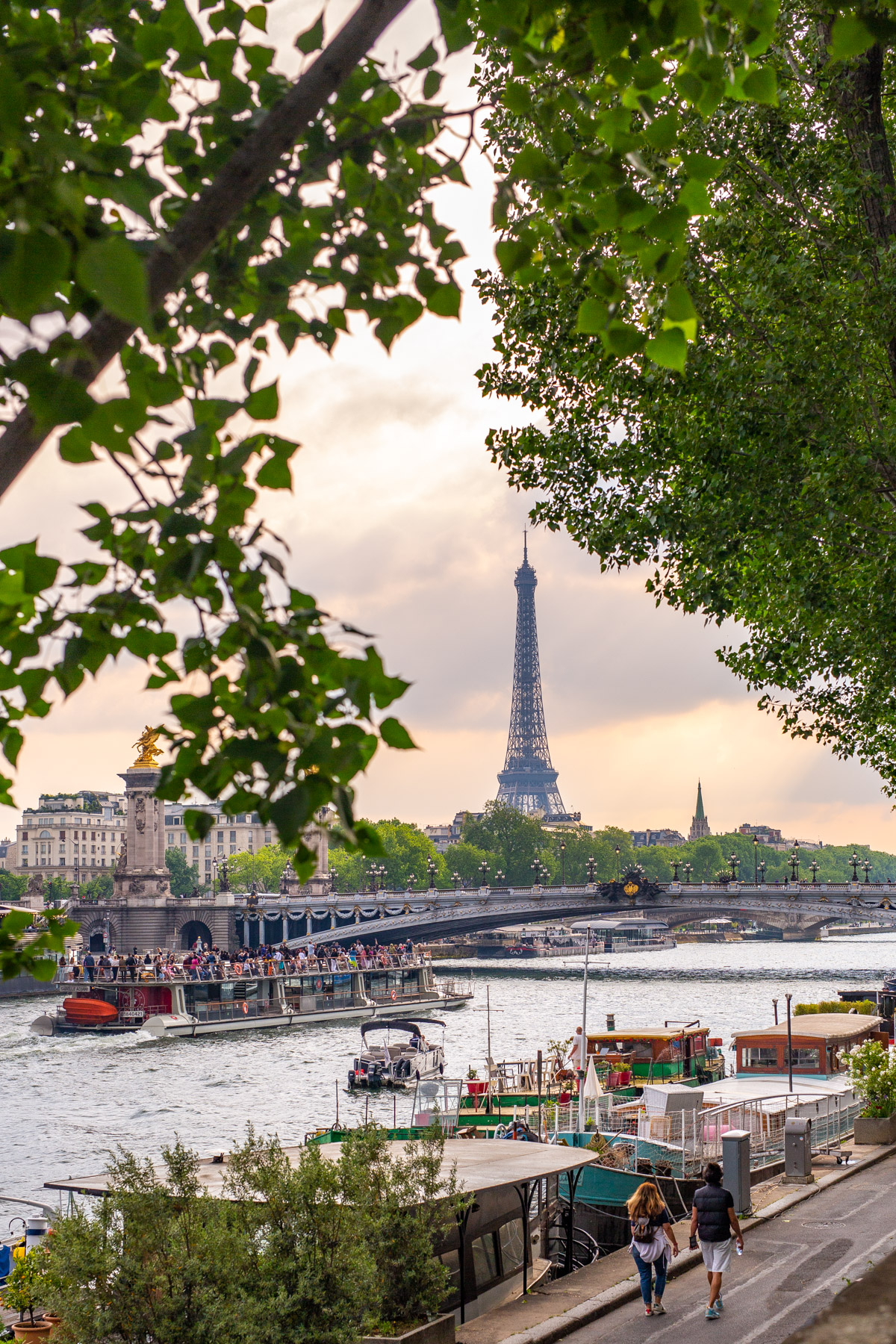





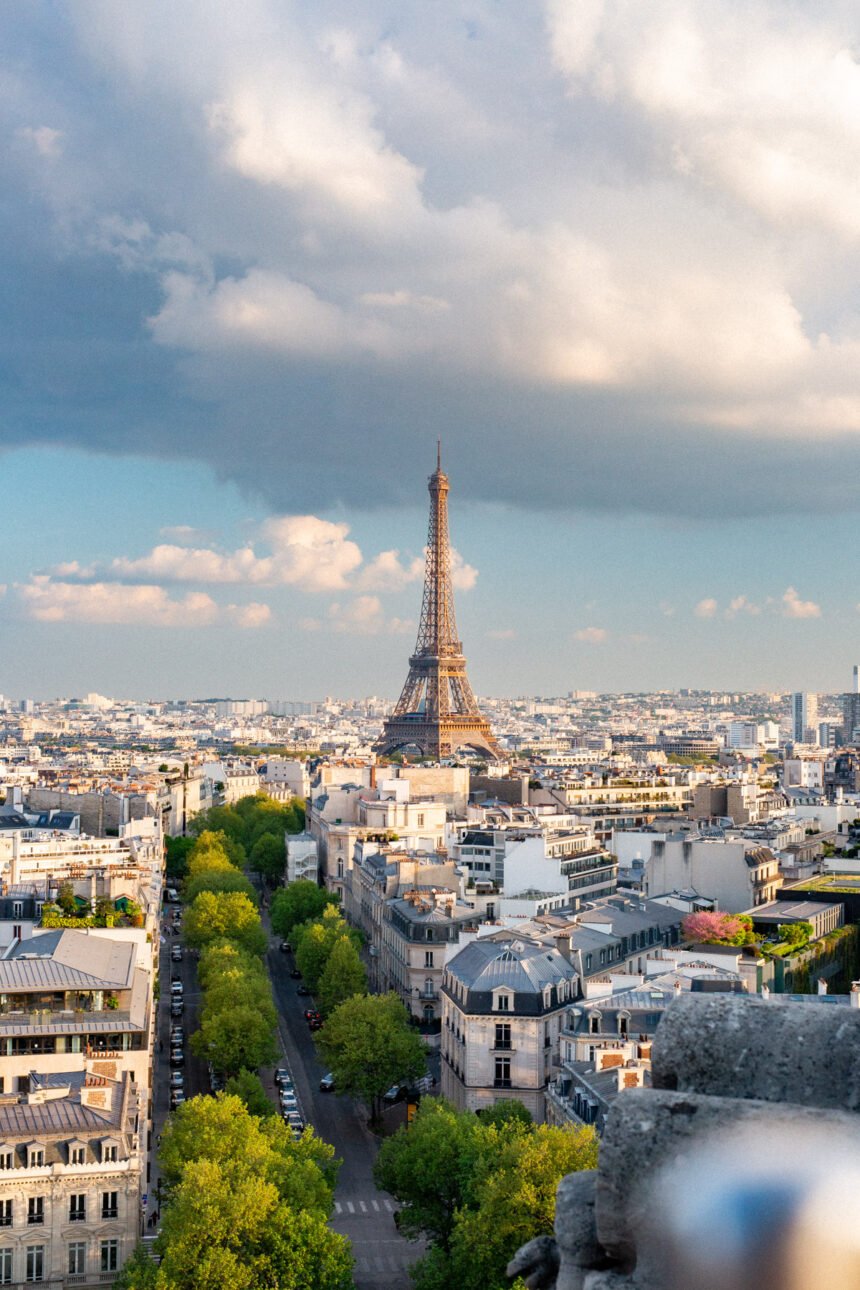
Everyone wants to go to Paris in the spring. I get it. The cherry blossoms, the golden light, the whole Emily-in-Paris fantasy. But here’s the thing. I’ve been to Paris in almost every season, and winter might honestly be my favorite.
I know that sounds a little wild. Paris in winter means gray skies, temperatures hovering around 35-45°F, and the occasional drizzle that makes you question your life choices. But it also means something that’s genuinely hard to find in Paris the rest of the year. Space. Quiet. The feeling that the city actually belongs to you for a minute.
The Louvre without a two-hour line? That happens in winter. A table at a cozy bistro without a reservation? Also winter. Hotels that are normally $400 a night suddenly dropping to $180? You guessed it.
If you can handle a little cold (and honestly, it’s not that cold), Paris in winter is one of the most rewarding times to visit. Here’s everything you need to know.

![17 Exciting Things To Do At Mall Of America® [2026 Update]](http://lifeaurahealth.com/wp-content/uploads/2026/06/17-Exciting-Things-To-Do-At-Mall-Of-America®-2026-150x150.jpg)
Why Winter is the Most Underrated Time to Visit Paris
Let’s start with the biggest reason people skip Paris in winter. The weather. Yes, it’s cold. Yes, the skies are often overcast. But Parisians don’t hibernate, and neither should you.
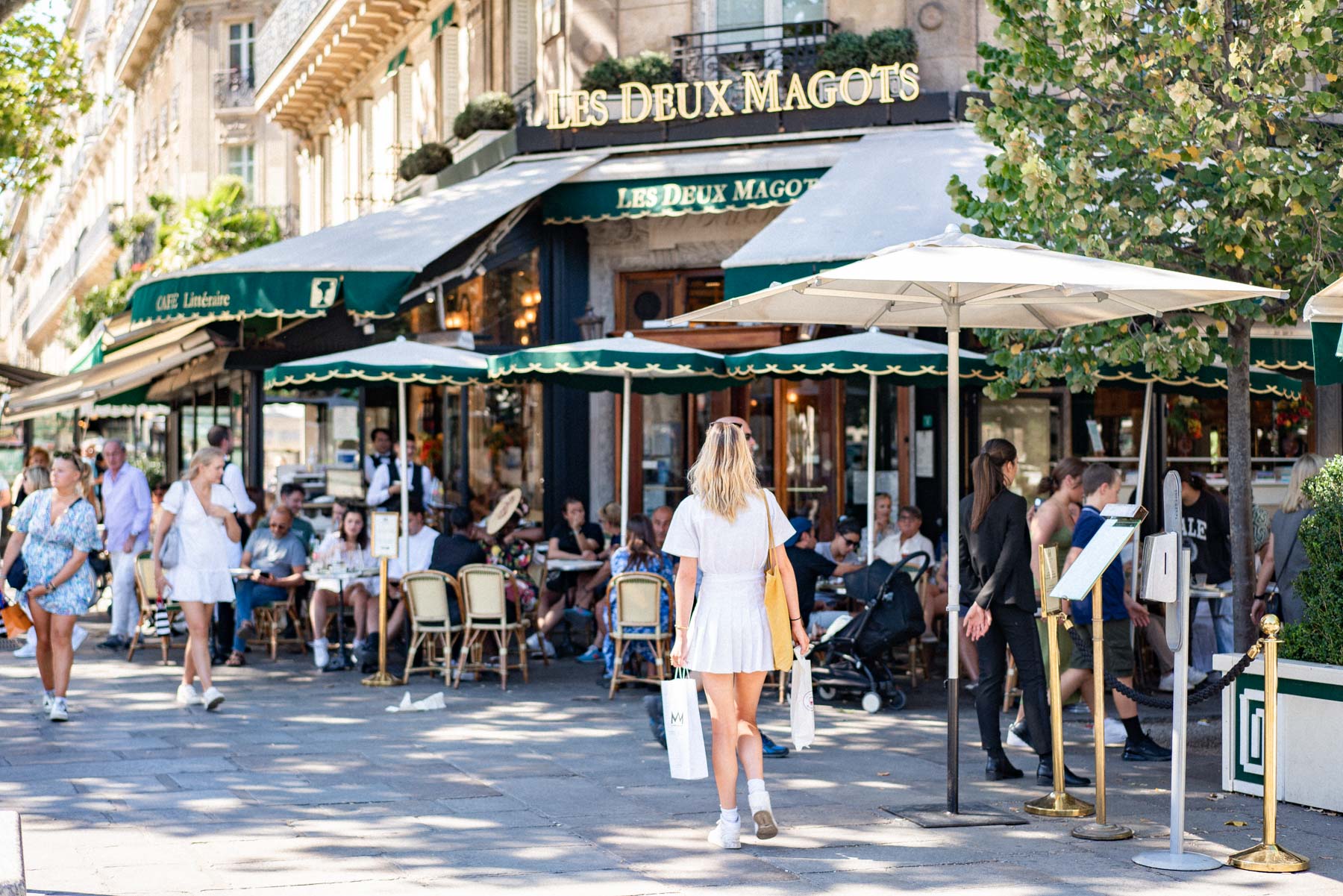
The thing about winter in Paris is that the city was built for it. Those gorgeous Haussmann apartments with their thick walls? The cafés with their heated terraces and steamed-up windows? The bakeries pumping warm, buttery air onto the sidewalk at 7 AM? All of it hits differently when there’s a chill in the air.
Summer tourists number around 15-17 million visitors in Paris. In winter, that drops dramatically. The difference is impossible to overstate. You’ll actually be able to see the Mona Lisa instead of photographing her over a sea of heads. You can walk through the Tuileries without dodging selfie sticks every three seconds.
And the hotel deals? Genuinely significant. We’re talking 40-60% off peak season rates at some of the nicest places in the city. That boutique hotel in Le Marais you thought was out of budget? Check winter prices. You might be surprised.
Paris Winter Weather (What to Actually Expect)
I’m not going to sugarcoat this. Paris winter weather is not tropical. But it’s also not Siberia, and I think people imagine it worse than it actually is.
Here’s what you’re looking at month by month.
December averages 37-45°F (3-7°C) during the day. It gets dark around 4:45 PM, which sounds depressing until you realize that’s when all the Christmas lights come on and the city looks absolutely magical.
January is the coldest month, averaging 35-42°F (1-6°C). This is when hotel prices are at their absolute lowest. It occasionally dips below freezing at night, but daytime is usually manageable with a good coat.
February starts to warm up slightly, hitting 36-46°F (2-8°C). By late February you’ll notice the days getting noticeably longer, and there’s a subtle shift in energy as spring starts to tease its arrival.
Rain is possible any month, but it’s rarely an all-day downpour. More like occasional showers that last 20-30 minutes. A compact umbrella and a good attitude will get you through.
Snow in Paris is rare but not impossible. It happens maybe 3-5 days a year, and when it does, the city looks like a literal postcard. If you’re lucky enough to see the Sacré-Coeur dusted in snow, you’ll never forget it.
The Best Things to Do in Paris in Winter
Hit the Museums Without the Crowds
This is genuinely the number one reason to visit Paris in winter. The best museums in Paris are world-class, but in peak season they’re also packed to the point of being unpleasant. Winter changes everything.
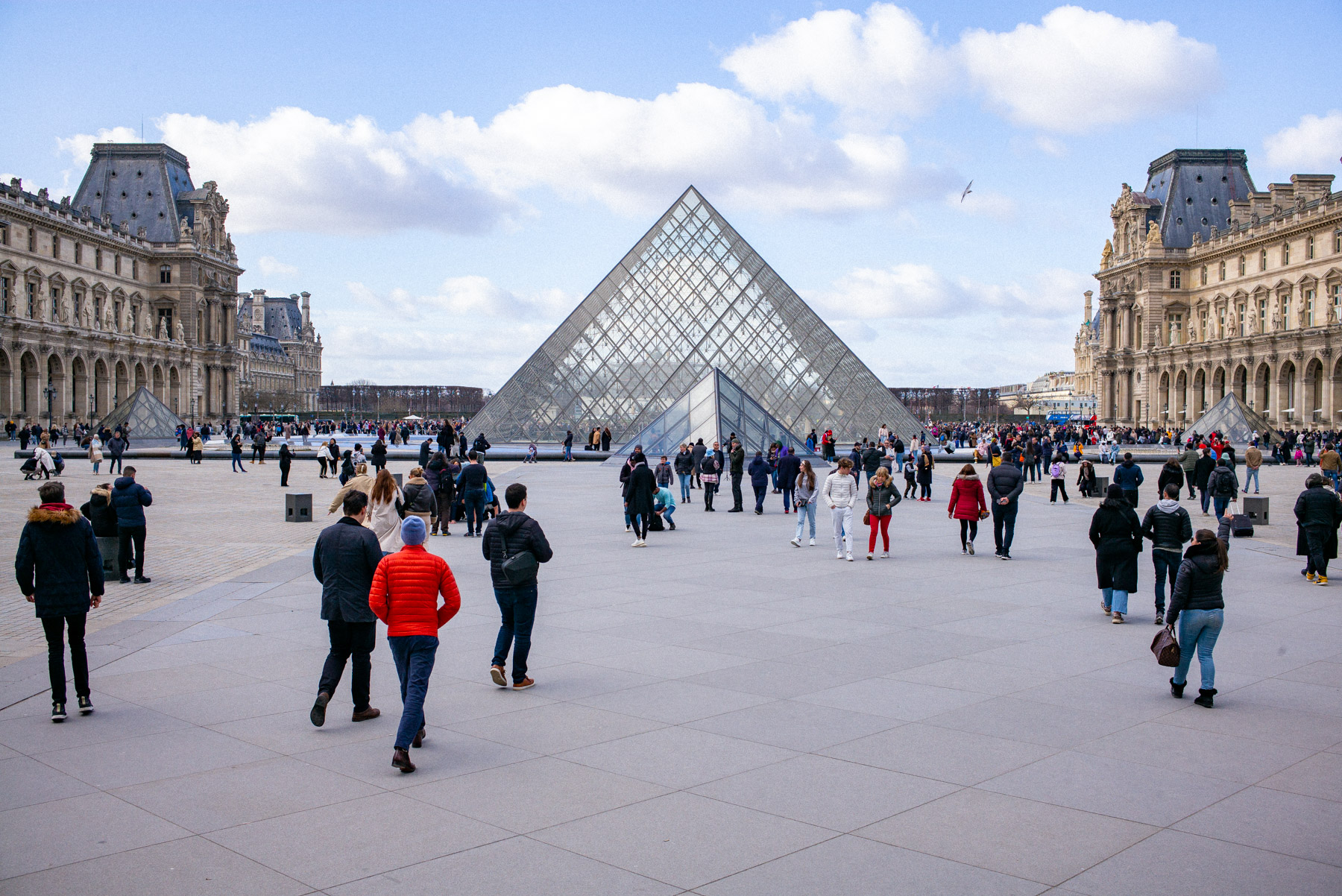
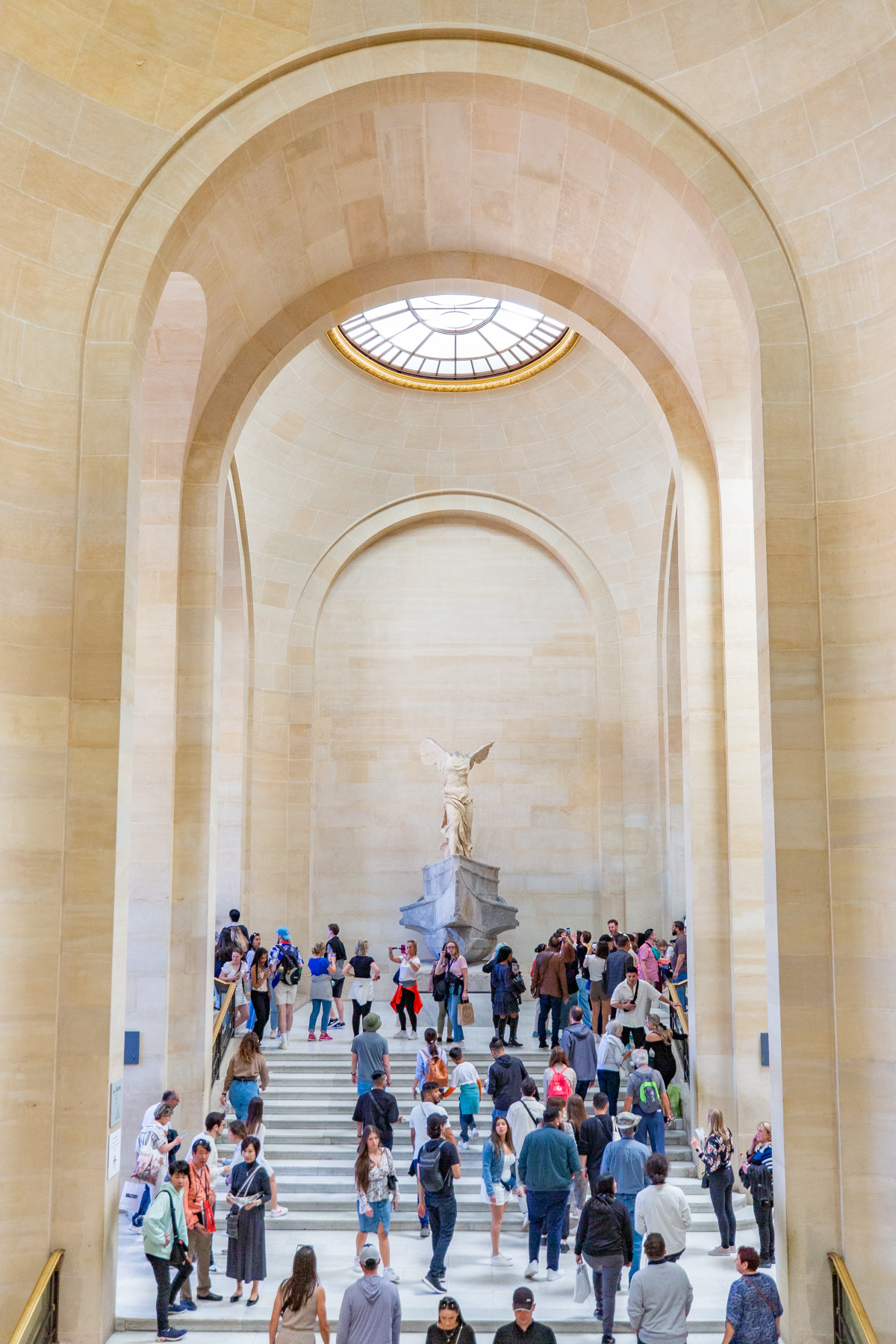
The Louvre, which can have 2-3 hour lines in July, rarely has more than a 20-minute wait on a January weekday. The Musée d’Orsay? You can actually stand in front of the Impressionist paintings and breathe. The Centre Pompidou, the Musée de l’Orangerie, the Rodin Museum. All of them are infinitely more enjoyable when you’re not elbow-to-elbow with tour groups.
Pro tip. many museums offer free admission on the first Sunday of every month. In winter, “free” plus “fewer tourists” is a combination that’s hard to beat.
Christmas Markets and Holiday Magic
If you visit in December, the Christmas markets alone make the trip worth it. Paris goes all in on the holiday season.
The biggest market sets up along the Tuileries Gardens, with over 100 chalets selling handmade ornaments, regional cheeses, hot wine (vin chaud), and roasted chestnuts. The smell alone will make you forget it’s 38°F outside.
Smaller markets pop up at Saint-Germain-des-Prés, the Place des Abbesses in Montmartre, and Notre-Dame (or what’s near it during reconstruction). Each one has its own character. The Montmartre one feels like a village fair. Saint-Germain’s is more polished, with artisan gifts and gourmet foods.
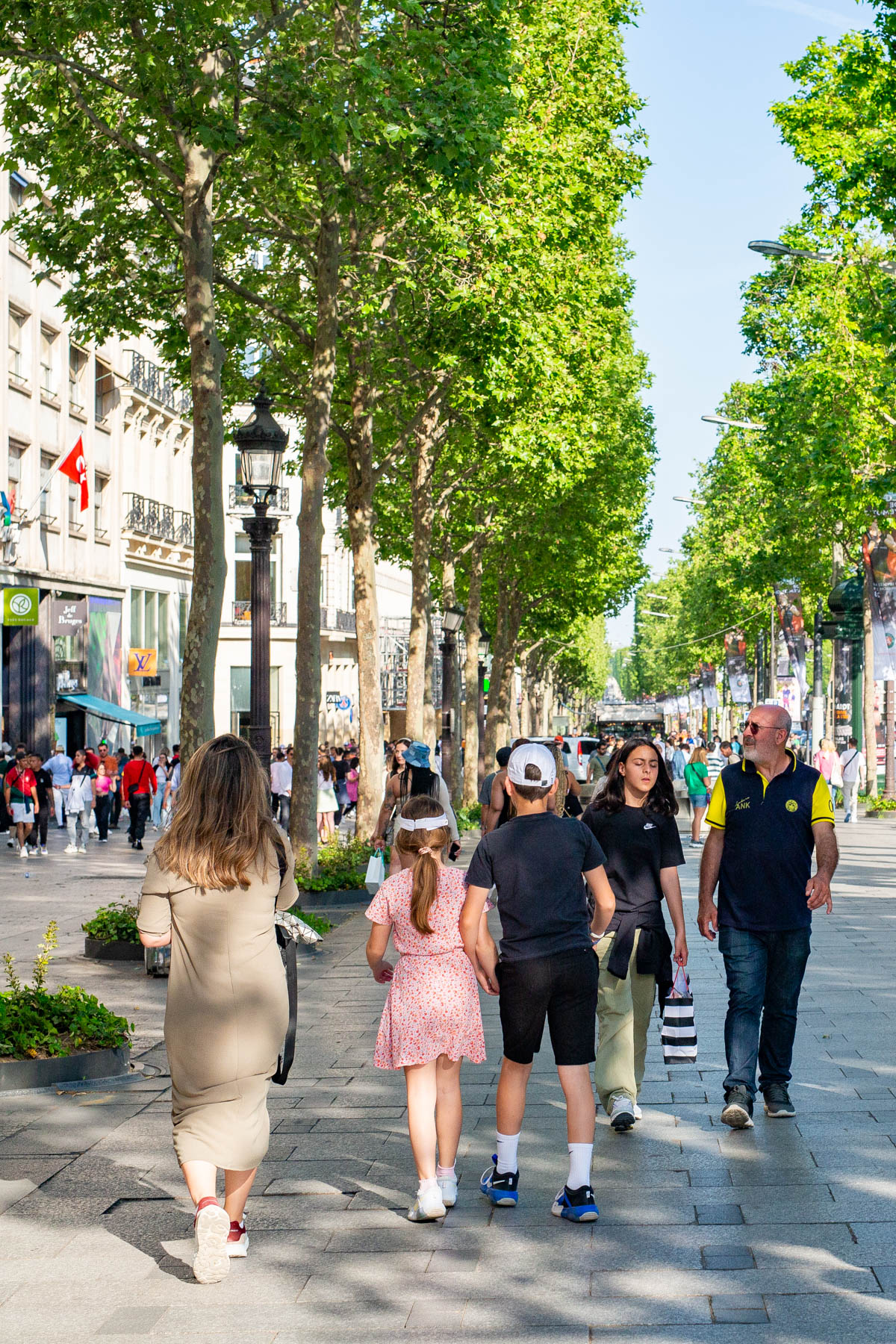
The Christmas lights on the Champs-Élysées are genuinely spectacular. Hundreds of trees lining the avenue are wrapped in lights, and the whole boulevard glows from late November through early January. It’s one of those things that looks exactly as good in person as it does in photos, which is rare.
Ice Skating at Trocadéro
Every winter, an outdoor ice rink appears at the Trocadéro, right across from the Eiffel Tower. You’re literally skating with the Eiffel Tower as your backdrop. It costs around €7-10 including skate rental, which by Paris standards is practically free.
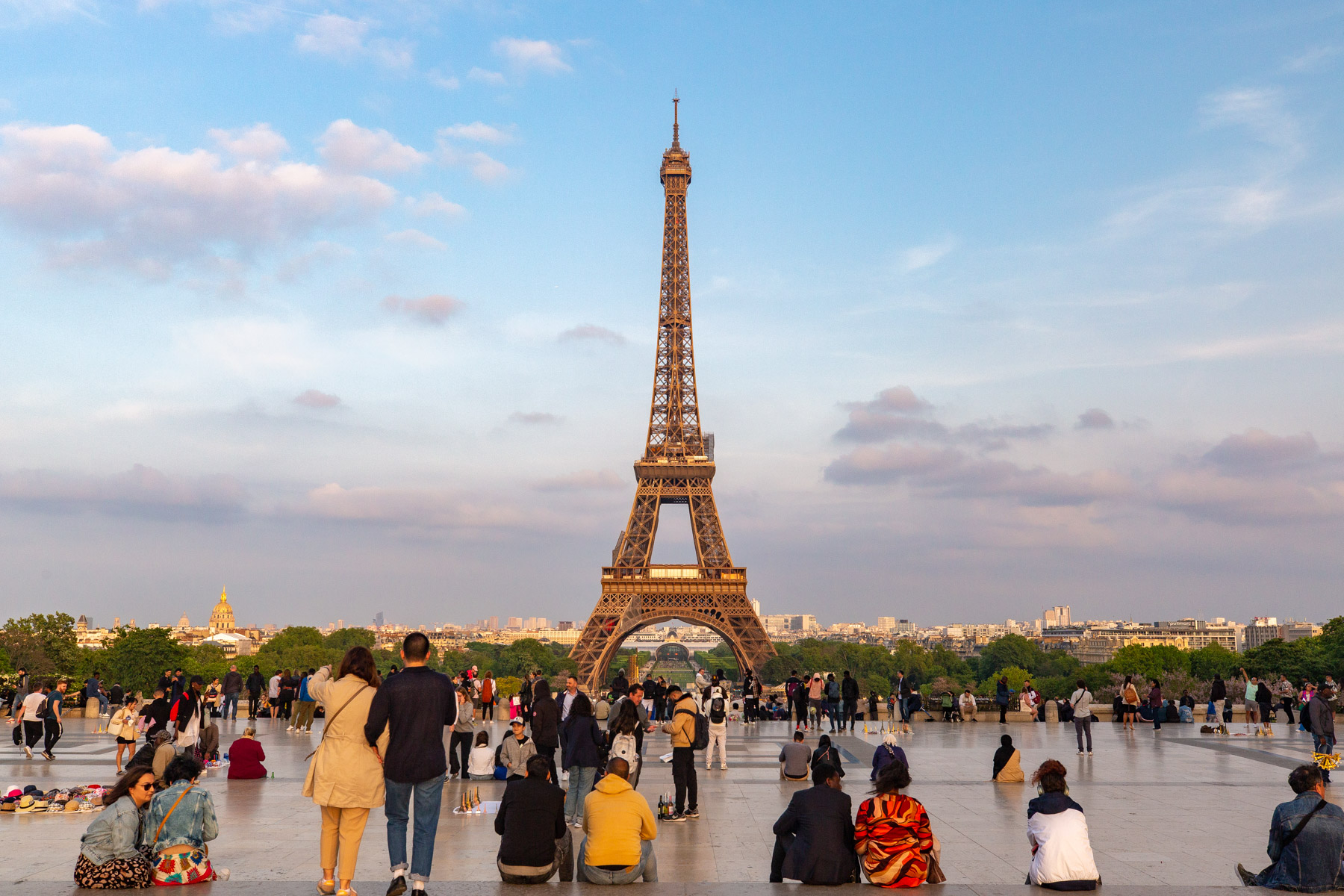
The rink is usually open from mid-December through early March. Go at sunset (which, remember, is around 5 PM in winter) for the most photogenic experience. The tower’s lights start their hourly sparkle show at 6 PM, and seeing it glitter while you’re gliding on ice is pretty memorable.
Hot Chocolate at Angelina
You haven’t had hot chocolate until you’ve had it at Angelina on Rue de Rivoli. I’m not being dramatic. Their “L’Africain” is less a drink and more a religious experience. It’s thick, intensely rich, and served with a tiny pitcher of whipped cream on the side.
In summer, the line wraps around the block. In January? You might walk right in. Grab a window seat overlooking the Tuileries, order the hot chocolate and a Mont-Blanc pastry (their signature), and you’ll understand why this place has been open since 1903.
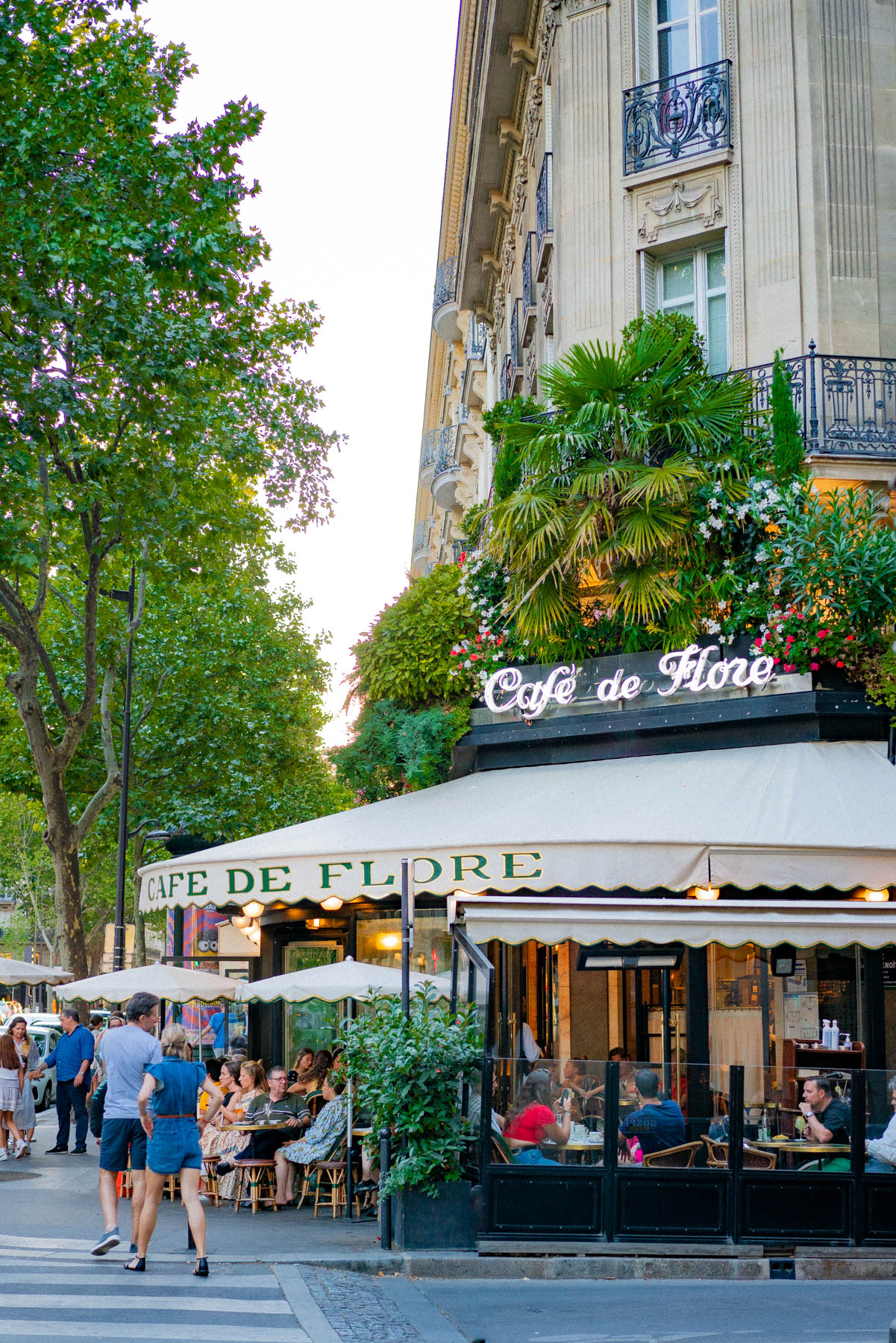
Other excellent winter drink stops include Café de Flore for their classic chocolat chaud, and any of the best coffee shops in Paris for a café crème that warms you from the inside out.
Cozy Bistro Season
Winter is when Paris bistro culture really shines. The heavy, warming dishes that define French cuisine were made for cold weather. This is the season for cassoulet, French onion soup with a thick cap of melted Gruyère, duck confit, and beef bourguignon.
Some of the best cheap eats in Paris are winter comfort food. A steaming bowl of soupe à l’oignon at a neighborhood bistro will run you around €8-12 and will genuinely change your day.
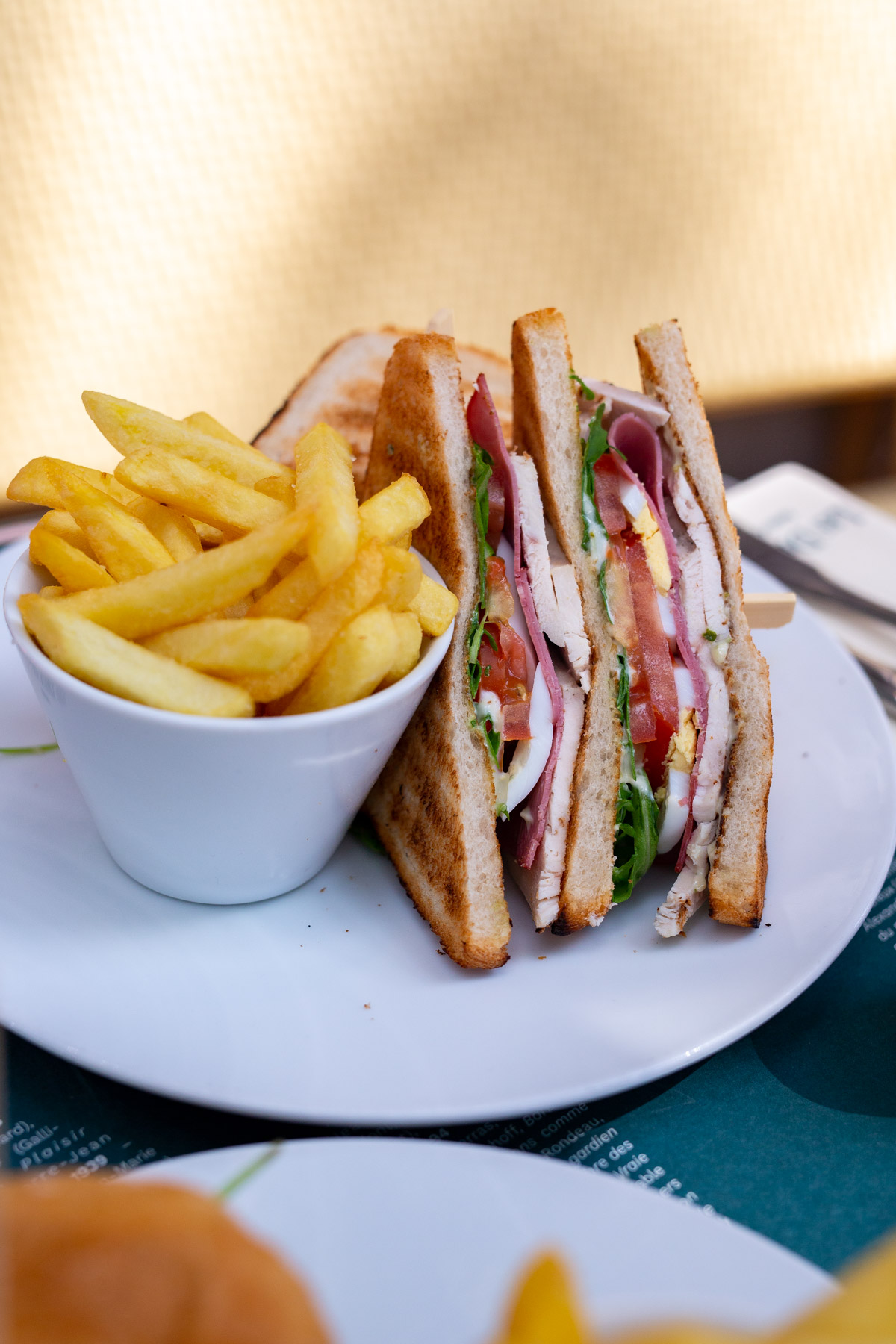
The heated terraces are an art form in Paris. Restaurants set up enclosed sidewalk seating with heat lamps, blankets draped over chairs, and sometimes even hot water bottles. You get the outdoor café experience without actually freezing. The French have really figured this one out.
Winter Sales (Les Soldes)
If shopping is your thing, Paris in January and February offers something you won’t find any other time of year. Les Soldes, the government-regulated winter sales, run for about four weeks starting in early January. We’re talking 30-70% off at department stores like Galeries Lafayette, Le Bon Marché, and Printemps, plus independent boutiques across the city.
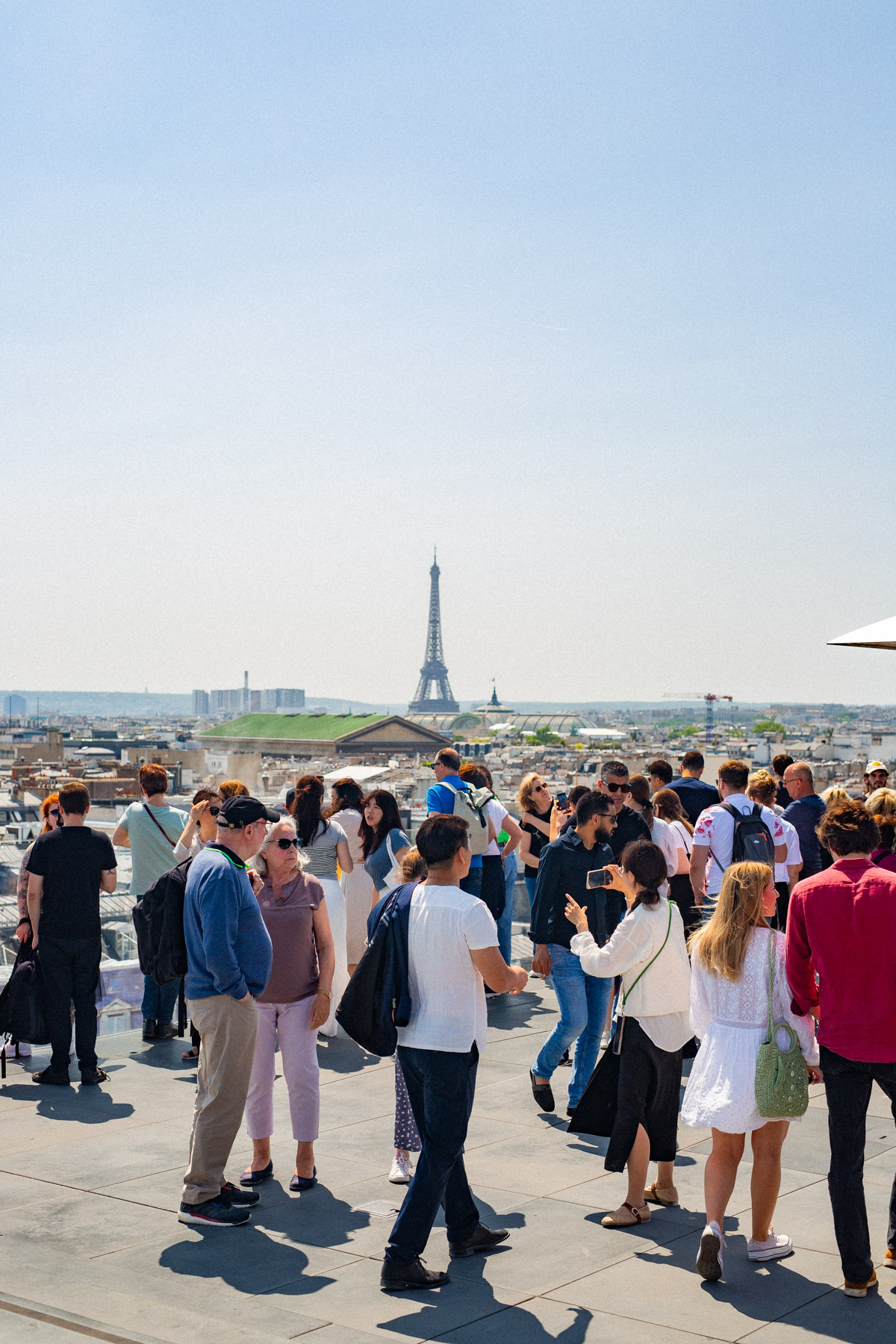
This isn’t like random American “sales” where they jack up the price and then “discount” it. French law actually regulates this. The discounts are real, and they apply to the current season’s merchandise. If you’ve been eyeing French fashion, this is the time.
The Covered Passages
Paris has about 20 surviving covered passages from the 19th century, and they’re absolute heaven on a rainy winter day. These glass-roofed arcades are filled with tiny shops, vintage bookstores, tea salons, and quirky boutiques.
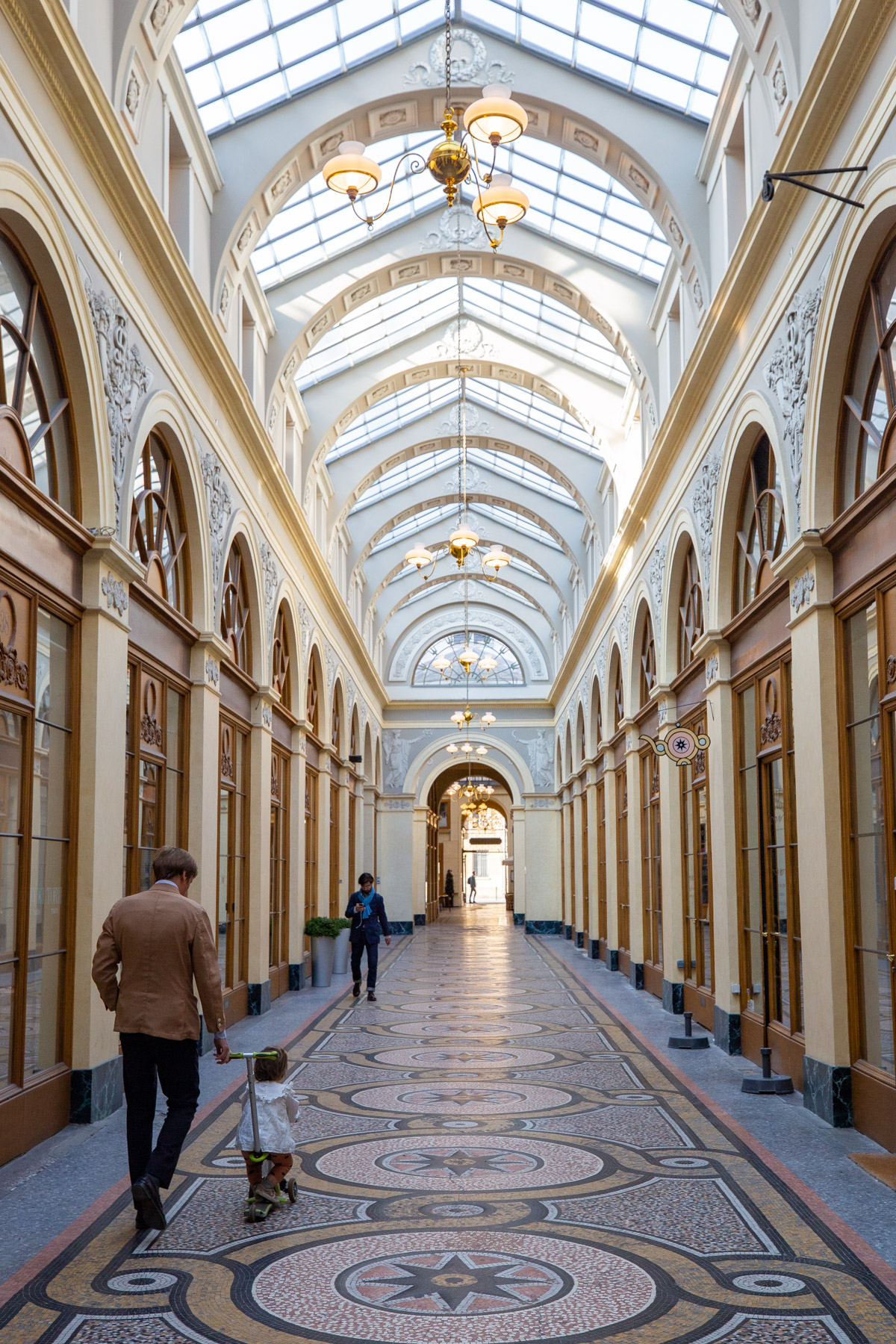
The Galerie Vivienne near the Palais Royal is the most photogenic, with its mosaic tile floors and ornate columns. Passage des Panoramas is the oldest (built in 1799) and has some of the best vintage stamp and postcard shops in the city. Passage Jouffroy has a quirky wax museum and the Hôtel Chopin, one of the most charming budget hotels in Paris.
You could spend an entire rainy afternoon hopping between passages, and honestly, that sounds like a perfect Paris day to me.
New Year’s Eve in Paris
Spending New Year’s Eve in Paris is one of those bucket list experiences that actually lives up to the hype. The main gathering spot is the Champs-Élysées, where hundreds of thousands of people count down to midnight while the Arc de Triomphe lights up with a massive projected show.
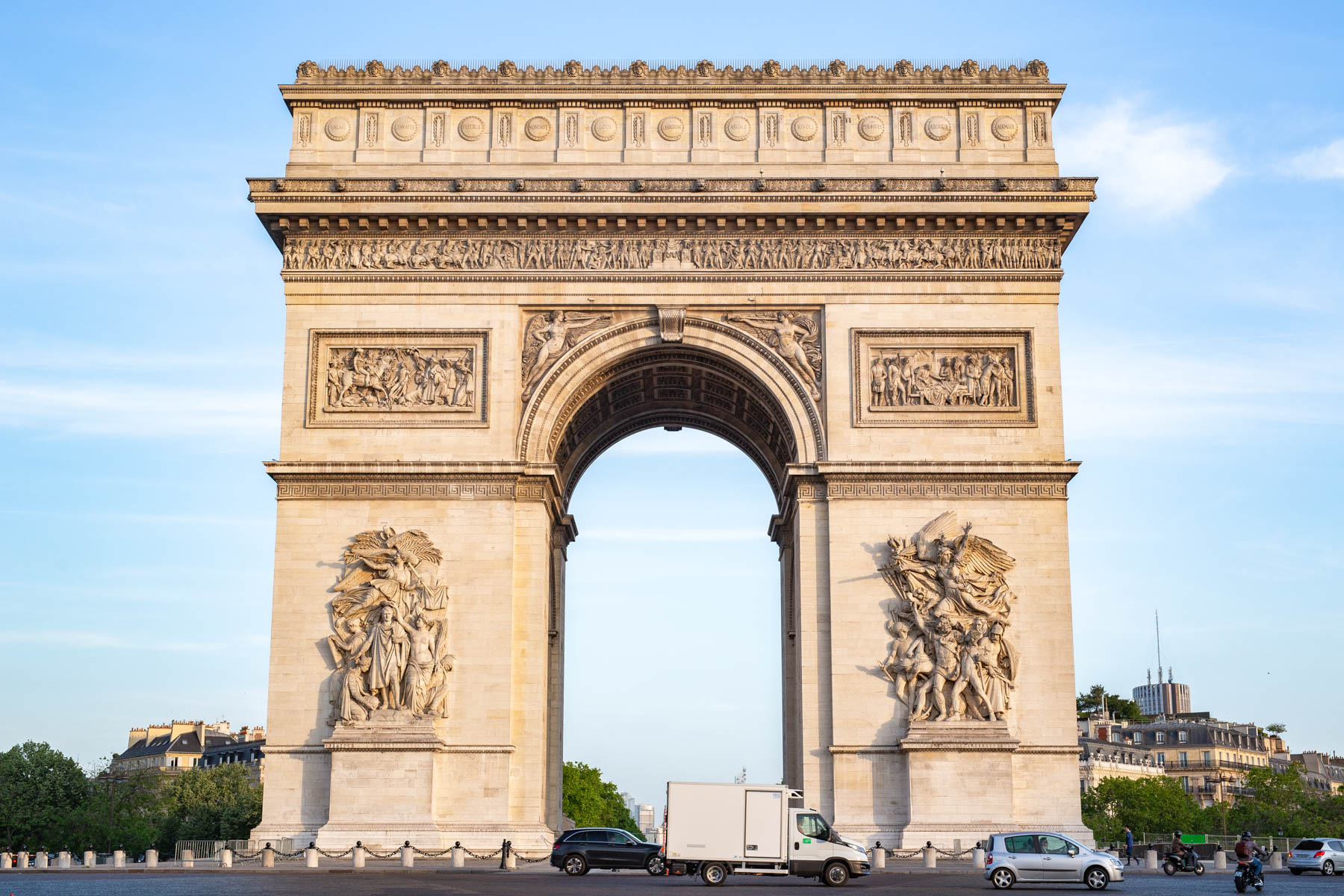
It’s free, it’s outdoors, and it’s absolutely electric. People bring champagne (yes, you can drink on the street for New Year’s), and the atmosphere is genuinely joyful. Just be prepared for big crowds and limited metro service afterward.
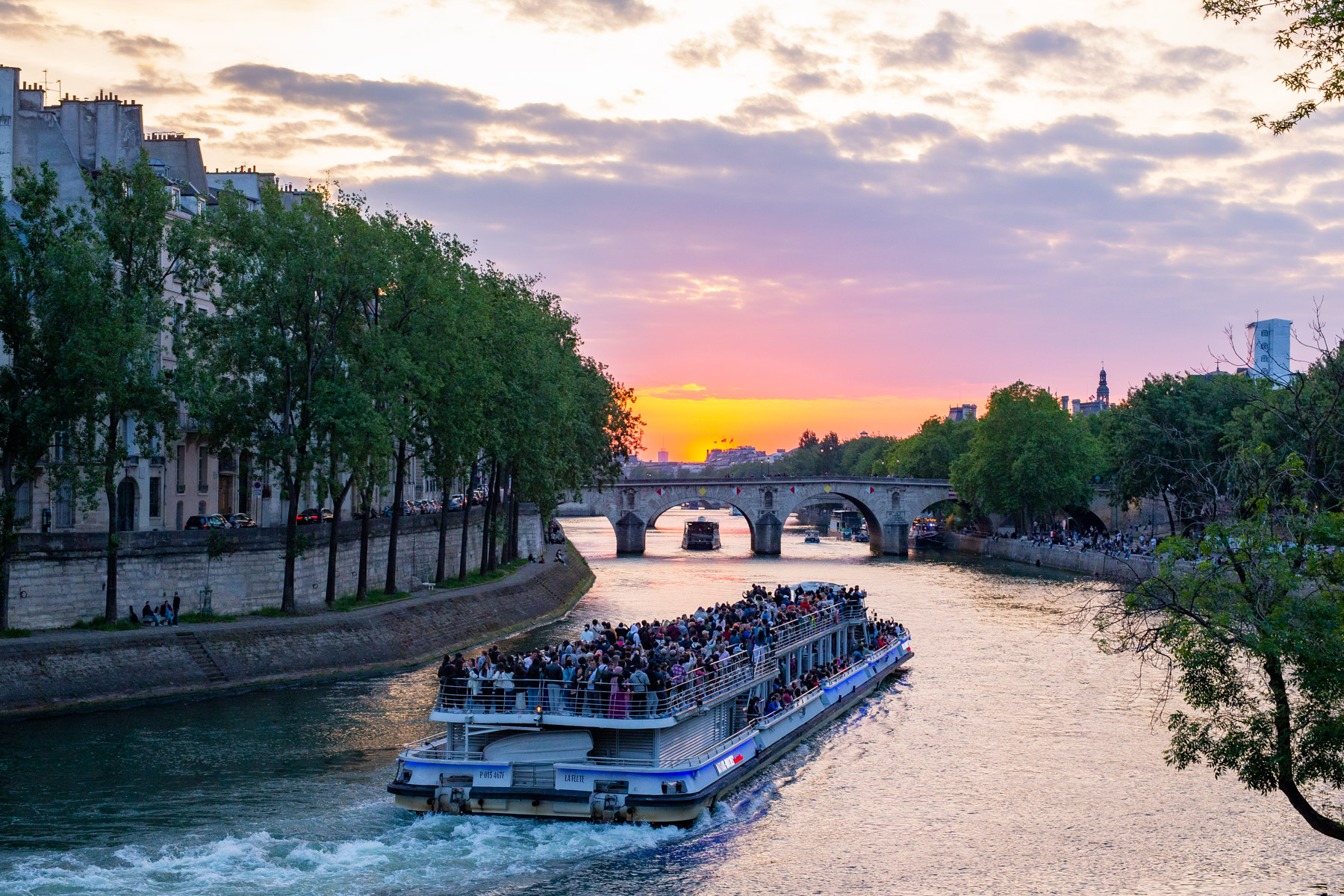
If crowds aren’t your thing, book a dinner cruise on the Seine. Several companies offer New Year’s Eve packages that include a multi-course meal, champagne, and views of the fireworks from the water. They’re not cheap (expect €150-300 per person) but it’s a pretty spectacular way to ring in the new year.
For something more low-key, many Parisians celebrate with a réveillon dinner. Book a table at a nice restaurant for their special New Year’s menu, toast at midnight, then walk along the Seine at night when the city feels like it’s all yours.
What to Wear in Paris in Winter
Parisians have a very specific winter look, and it’s worth paying attention to if you don’t want to stick out as a tourist. The formula is basically this. A good wool coat (black, navy, or camel), a quality scarf, and decent boots.
Here’s my actual packing advice for a winter trip.
Outerwear. One warm, long coat. Not a puffer jacket (Parisians would rather freeze). A wool or wool-blend coat that hits mid-thigh is the move. If you absolutely must do a puffer, make it a sleek, fitted one.
Layers. Merino wool base layers are your best friend. Paris involves a lot of walking, and you’ll go from freezing outside to overheated inside museums constantly. Layers let you adjust.
Footwear. Waterproof boots with good grip. Paris sidewalks get slippery when wet, and you’ll be walking 8-12 miles a day. Comfort matters more than style here, though ideally you want both.
Accessories. A warm scarf (this is non-negotiable), gloves, and a hat if your ears get cold. Parisians love scarves and wear them all year, so you’ll fit right in.
Practical Tips for Visiting Paris in Winter
Daylight hours. In December and January, you get about 8-9 hours of daylight (sunrise around 8:30 AM, sunset around 4:45-5 PM). Plan your outdoor sightseeing for the middle of the day and save museums and indoor activities for early morning and late afternoon.
Getting around. The Metro is heated and runs the same schedule year-round. It’s your best friend in winter. A carnet of 10 tickets or a Navigo Easy card will save money if you’re riding frequently.
Budget. Winter flights to Paris from the US can be found for $300-500 roundtrip if you book 6-8 weeks ahead. Hotels drop 40-60% from peak rates. You’ll spend less on practically everything except maybe hot chocolate.
What to book ahead. Even in winter, I’d still recommend booking skip-the-line tickets for the Louvre and Musée d’Orsay. The lines are shorter, but they still exist. Book restaurants for dinner, especially on weekends. The Eiffel Tower has shorter waits but still requires timed entry tickets.
Stay central. In winter more than any other season, location matters. You don’t want a 30-minute walk from the Metro in 38°F rain. Le Marais, Saint-Germain, and the Latin Quarter are all excellent winter bases because they’re walkable, packed with cafés, and well-connected by Metro.
A Perfect Winter Day in Paris
Here’s what an ideal winter day looks like, based on what I’ve actually done.
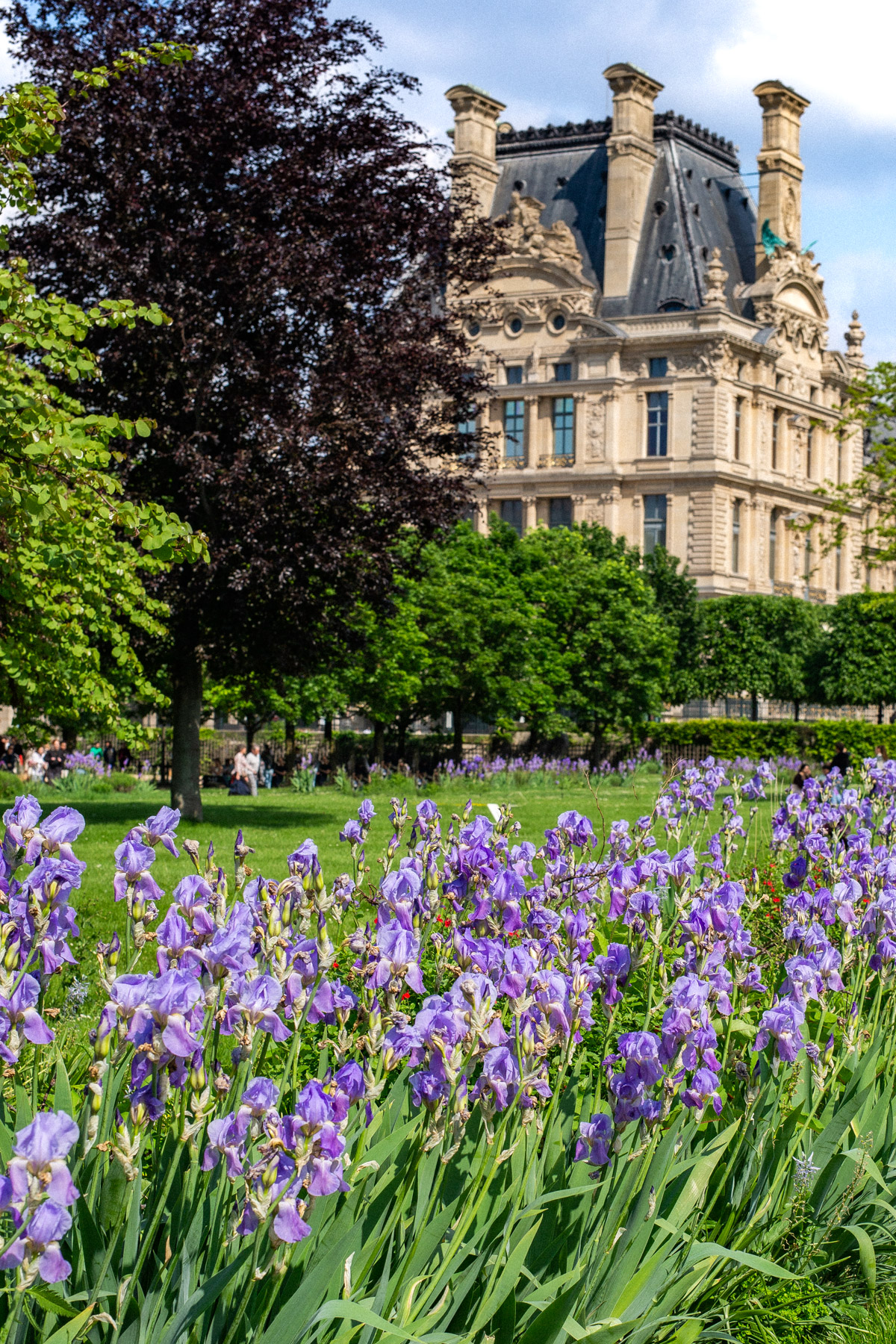
Start with breakfast at a neighborhood boulangerie. A warm croissant and a café crème. Walk to the Louvre when it opens at 9 AM. Spend 2-3 hours inside without feeling rushed (this is a winter luxury). Emerge around noon and walk through the Tuileries to Place de la Concorde.
Lunch at a bistro. Something warm and hearty. French onion soup, a croque monsieur, a glass of Bordeaux. Take your time because Parisians do.
Afternoon, explore a neighborhood on foot. Le Marais, Montmartre, or Saint-Germain all reward slow walking. Pop into bookshops, browse vintage stores, warm up in cafés whenever you need to.
By 4:30 PM, the light starts fading and the city lights come on. This is golden hour for photographers and romantics alike. Head to the Seine for a walk along the banks, or climb to the Sacré-Coeur for sunset views over the city.
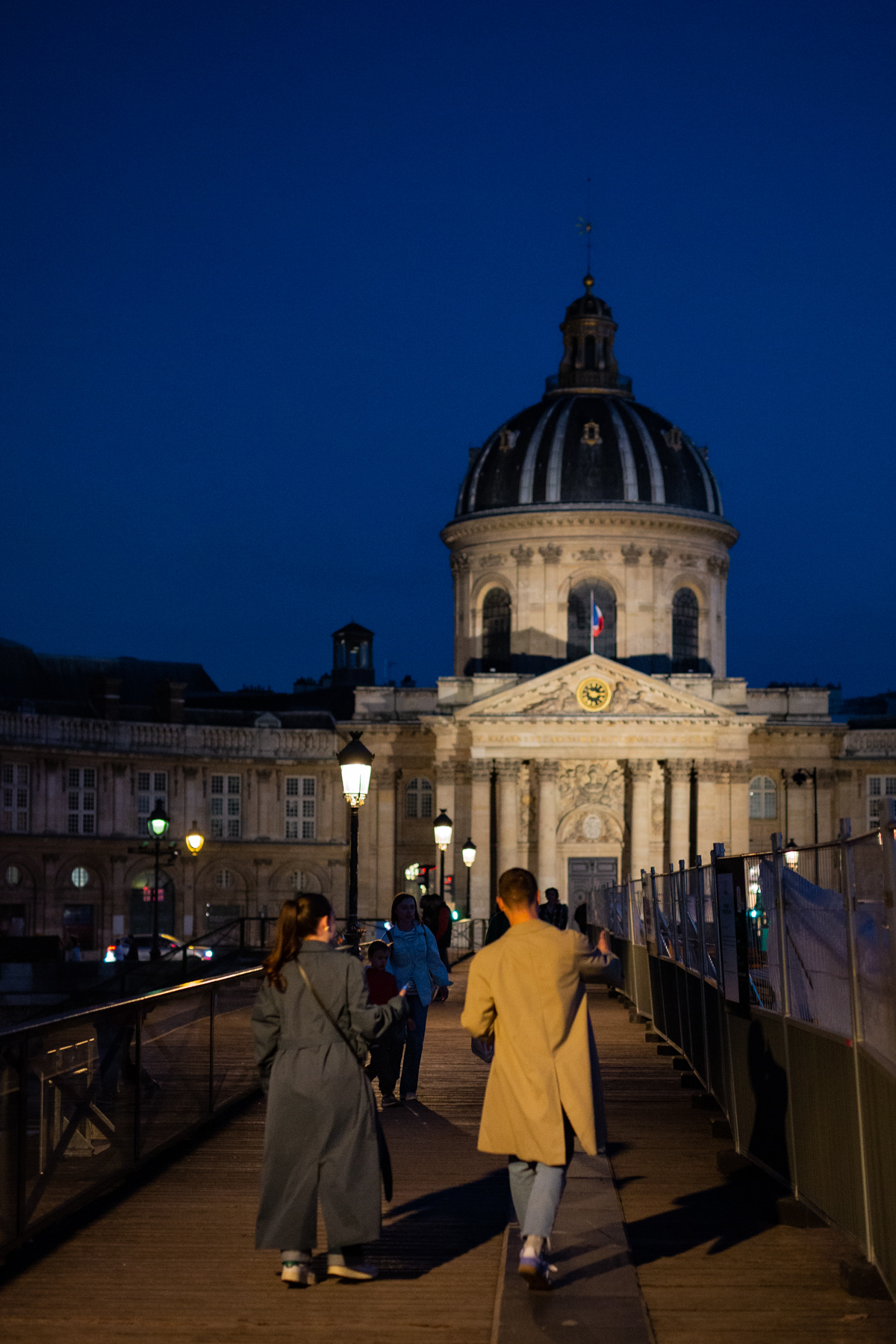
Dinner somewhere you’ve booked ahead. Then a nighttime walk past illuminated monuments. The Eiffel Tower sparkles on the hour. Notre-Dame’s reconstruction is lit up beautifully. The bridges along the Seine glow.
End with a nightcap at a wine bar in the Marais, or hot chocolate at your hotel.
That’s a winter day in Paris. And honestly? It’s hard to beat.
Is Paris Worth Visiting in Winter? (Final Thoughts)
I’ll be direct about this. Paris in winter is not for everyone. If you need sunshine and warm weather to enjoy a trip, you’ll probably be happier coming in spring or early fall.
But if you’re the kind of traveler who values atmosphere, affordability, and the ability to actually experience a city rather than just photograph it through crowds, winter Paris is extraordinary.
There’s a reason Hemingway called Paris a “moveable feast.” In winter, you get to taste that feast slowly, without anyone rushing you. The cafés are cozier, the museums are quieter, the food is heartier, and the city reveals a side of itself that summer visitors never see.
Pack warm, bring a good pair of walking shoes, and let the city surprise you. It will.