




I get asked about Portugal all the time, so here it is. Will and I have spent a combined two months living in this country (one month in Lisbon, one month and four days in Porto) and we’ve road-tripped to a handful of smaller towns in between. Portugal has become our go-to escape from New York winters, and honestly, I don’t think we’ll ever stop going back.
These are the cities and towns that stuck with us. Some we’ve written full guides for. Others we’re still sorting through our photos from. All of them are worth your time.
Lisbon
Lisbon is where it all started for us. We parked ourselves there for a month in the winter of 2022 and fell hard for this city. The light alone is worth the trip. Everything is bathed in this golden warmth that makes even the crumbling buildings look like a painting.
The neighborhoods are what really got us. Each one has its own personality. Alfama feels like a village. Bairro Alto comes alive at night. Principe Real is where you go when you want to sit in a garden and pretend you live there (which is exactly what we did, repeatedly).

Food is cheap, wine is cheaper, and the pasteis de nata situation is out of control in the best possible way. We have a full breakdown in our guide to the 25 best things to do in Lisbon, plus a weekend itinerary if you’re short on time and a guide to where to stay.
Oh, and for the love of all things good, read our 10 mistakes to avoid in Lisbon before you go. We made most of them so you don’t have to.
Porto
My introduction to Porto began as a weekend trip from Lisbon. We took the three-and-a-half hour train, got spit out at the most beautiful train station in the world (Sao Bento, look it up), and immediately booked an extra night because two days wasn’t enough.
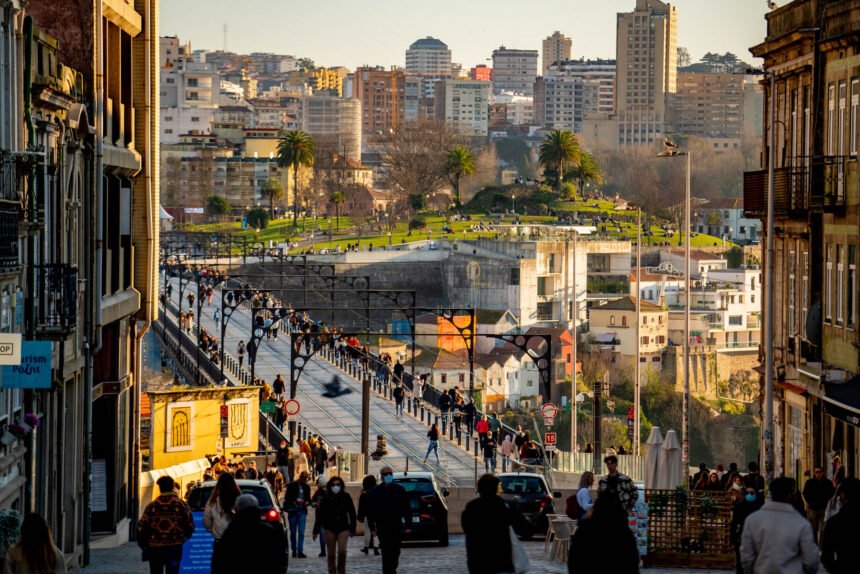
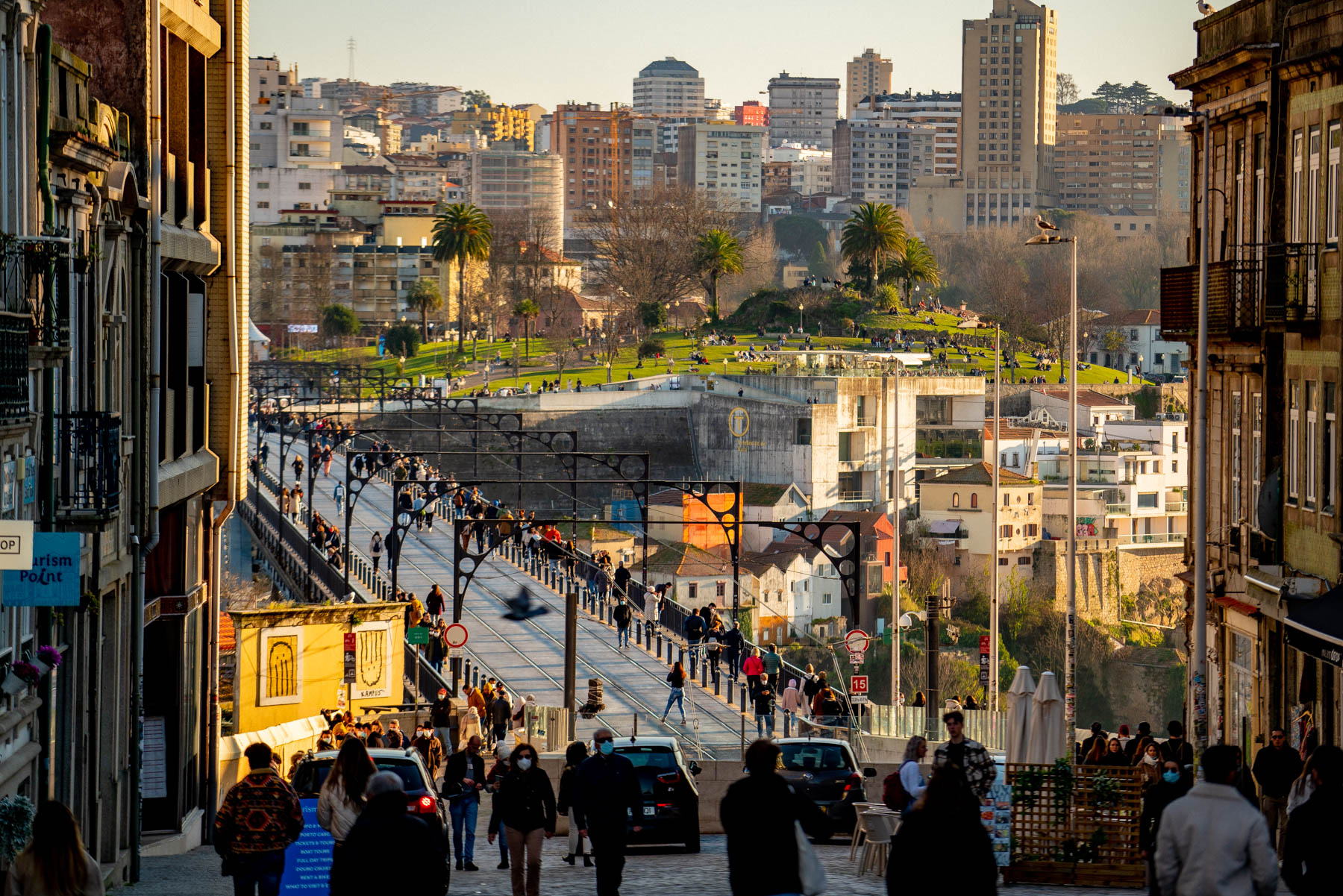
The following winter, we committed to a full month in Porto. All told, we’ve spent over five weeks here and I can confidently say this is one of my favorite cities in Europe. The port wine alone could justify the trip, but the city is so much more than that. Cozy cafes, incredible food, colorful buildings stacked on top of each other along the Douro River. Porto feels like a city that doesn’t care if you think it’s cool or not. It just is.
We have a full guide to Porto, a 3-day itinerary, and our favorite brunch spots. If you’re trying to decide between the two, we wrote a whole post on Lisbon vs. Porto.
Sintra
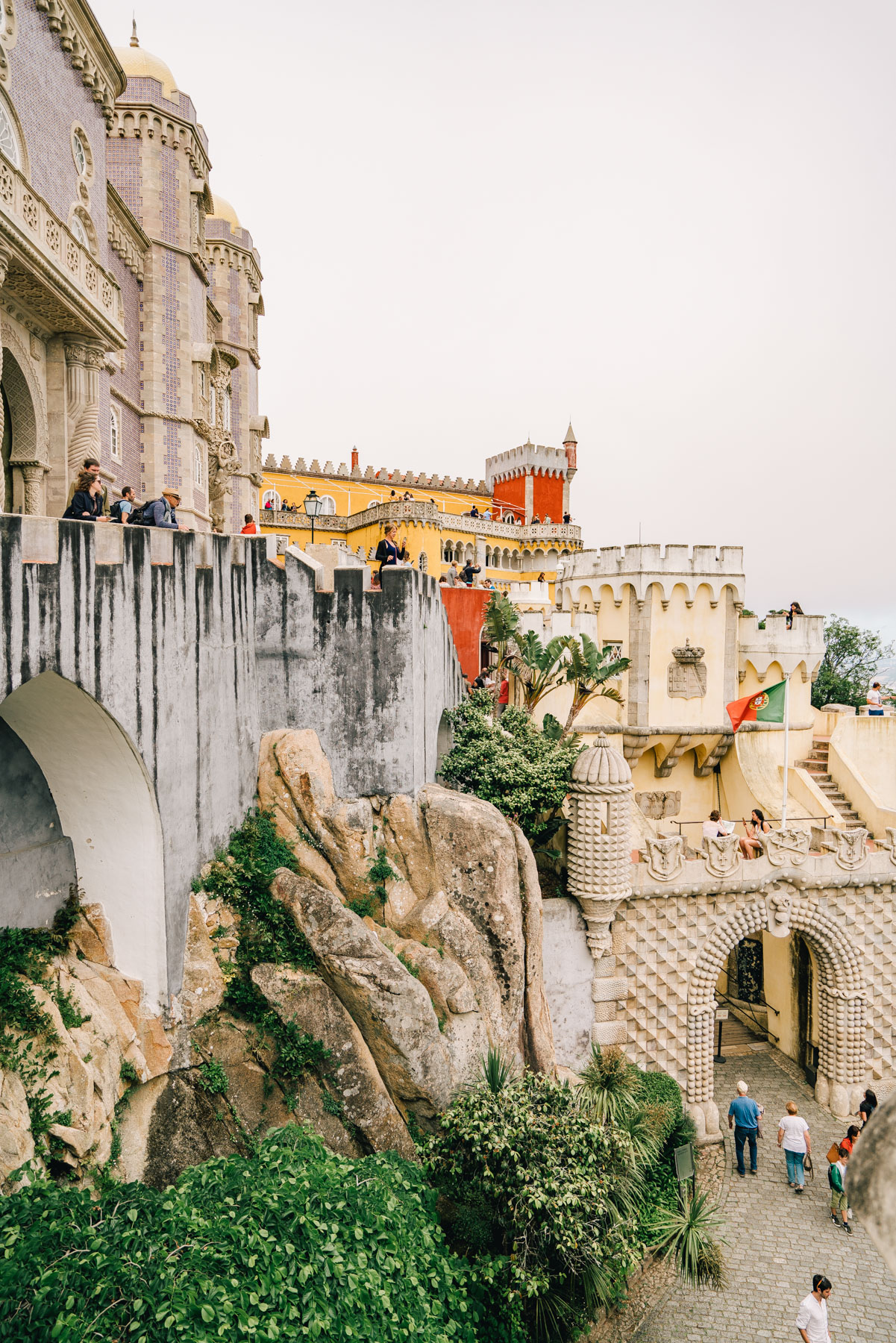
Sintra is where you go when you want to feel like you’ve stepped into a fairytale and then immediately regret not buying tickets in advance. This tiny town in the hills outside Lisbon is packed with palaces, castles, and gardens that look too colorful to be real.
Pena Palace is the star of the show with its bright yellow and red towers poking out above the forest. We visited Pena Palace and skipped the interior because the line was two hours deep. No regrets. The exterior and surrounding park were more than enough.
We have a full one-day Sintra itinerary, a guide to the castles of Sintra, and a list of the best things to do. It’s an easy day trip from Lisbon and one of our favorite days in all of Portugal.
Cascais
Cascais is the beach town that Lisbon locals escape to on weekends, and after visiting, we completely understand why. It’s a 30-minute train ride from Lisbon and feels like a different world. Cute seaside promenades, excellent seafood, and a pace that forces you to slow down whether you want to or not.
We spent a day here and wished we’d planned for two. The coastal walk from Cascais to Guincho Beach is stunning. Check out our guide to Cascais for the full rundown.
Braga
With over 2,000 years of recorded history, Braga is officially the oldest city in Portugal. The Romans founded it in 16 B.C. and called it Bracara Augusta, which sounds like a character in a period drama and I’m here for it.
The city is about an hour north of Porto and makes for an easy day trip. The main draw is Bom Jesus do Monte, a pilgrimage church at the top of a dramatic Baroque staircase. The staircase has 116 meters of steps and some pilgrims climb them on their knees. We took the funicular. No shame.
Braga also has over 30 churches and a cathedral that dates back to the 12th century. If you’re basing yourself in Porto, this is one of the best day trips you can do.
Lagos
Lagos is in the Algarve, Portugal’s southern coast, and it’s where you go when you want dramatic sea cliffs, hidden grottos, and beaches that look like they belong on a postcard. The Ponta da Piedade rock formations are the headliner here. You can see them from the cliffs above or take a boat tour through the caves.
The old town is charming too. Narrow cobblestone streets, good restaurants, and a relaxed vibe that’s hard to find on Portugal’s more popular coast. Lagos is still on our list for a longer visit, but everyone we’ve talked to who’s been says the same thing: go before it gets too crowded.
Coimbra
Coimbra is known in Portugal as the city of students, and for good reason. Its university was founded in 1290 and is one of the oldest in Europe. The Biblioteca Joanina inside the university is considered one of the most beautiful libraries in the world, and after seeing photos, I believe it.
The city sits roughly halfway between Lisbon and Porto, which makes it a natural stop if you’re road-tripping between the two. About 16 km outside of Coimbra, you’ll also find Conimbriga, the best-preserved ancient Roman city in Portugal. History nerds, take note.
Aveiro
Aveiro gets called the Venice of Portugal, which is a stretch, but the colorful moliceiro boats cruising through the canals are undeniably photogenic. The Art Nouveau architecture is beautiful and the ovos moles (a local egg yolk pastry) are reason enough to visit.
It’s about an hour south of Porto by train, making it another solid day trip option. We’d pair it with a beach day at Costa Nova, where the houses are painted in candy-colored stripes.
Evora
Evora is a UNESCO World Heritage Site in the Alentejo region, and it’s the kind of place where you turn a corner and stumble upon a 2,000-year-old Roman temple just sitting there in the middle of town. The Chapel of Bones (Capela dos Ossos) is exactly what it sounds like and it’s both fascinating and deeply unsettling.
The Alentejo region surrounding Evora is Portugal’s wine country. Rolling plains, cork oak forests, and some of the best red wine in the country. This is Portugal without the tourist crowds.
Obidos
Obidos is a tiny medieval walled town about an hour north of Lisbon that’s so charming it almost feels fake. You enter through a gate covered in blue and white tiles, and the whole town is basically one cobblestone street lined with whitewashed houses and bougainvillea.
The local specialty is ginjinha, a sour cherry liqueur served in a chocolate cup. You drink it, you eat the cup, you buy another one. It’s a dangerous cycle. Obidos makes for a perfect half-day stop on the way to or from Lisbon.
Best Cities in Portugal (Quick Summary)
If you’re short on time and can only pick a few, our top three would be Lisbon, Porto, and Sintra. You could easily spend a week between those three and not run out of things to do. For a complete overview of the country, check out our guide to the 15 best things to do in Portugal.
- Lisbon
- Porto
- Sintra
- Cascais
- Braga
- Lagos
- Coimbra
- Aveiro
- Evora
- Obidos
Frequently Asked Questions
If you can only pick three, go with Lisbon, Porto, and Sintra. We’ve spent over a month in both Lisbon and Porto, and Sintra is an easy day trip from Lisbon with stunning palaces and castles. Together they give you the best of Portugal’s culture, food, and architecture.
Braga, with over 2,000 years of recorded history. The Romans founded it in 16 B.C. as Bracara Augusta. Today it’s known for its churches, including the dramatic Bom Jesus do Monte pilgrimage site with its Baroque staircase.
We’d recommend at least 10 days to do Portugal properly. That gives you 3-4 days each in Lisbon and Porto, plus a day trip to Sintra and another to Cascais or Braga. If you have two weeks, you can add the Algarve (Lagos) or the Alentejo region (Evora).