





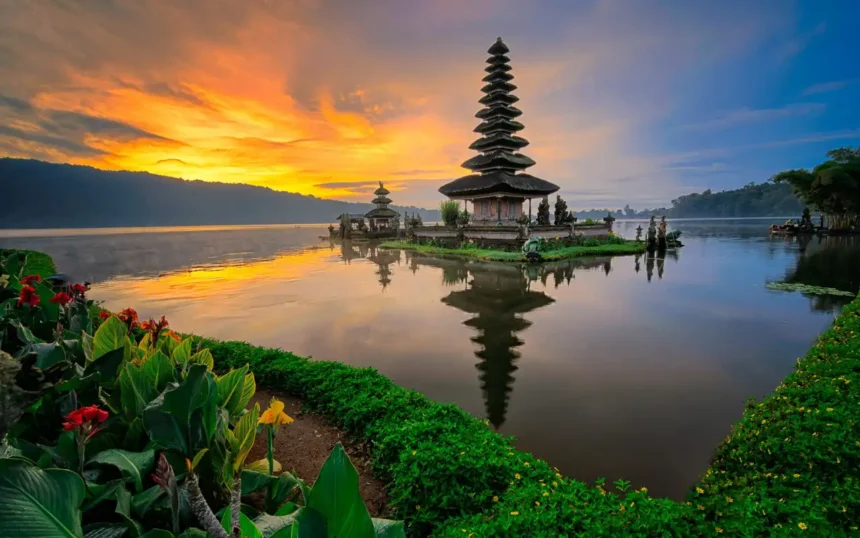
Bali is one of those destinations that almost everyone has heard of—but surprisingly, many people still ask the same question before booking their trip: where exactly is Bali located?
It’s a fair question. Bali feels like a faraway dream destination, filled with jungle villas, white sand beaches, waterfalls, and temples—but geographically, it’s not always obvious where it sits on the map.
In this guide, we’ll break down exactly where Bali is, what makes its location so unique, and why it has become one of the most visited islands in the world. If you’re planning a trip, this will also help you understand how to get there, what to expect, and how to start building your itinerary.
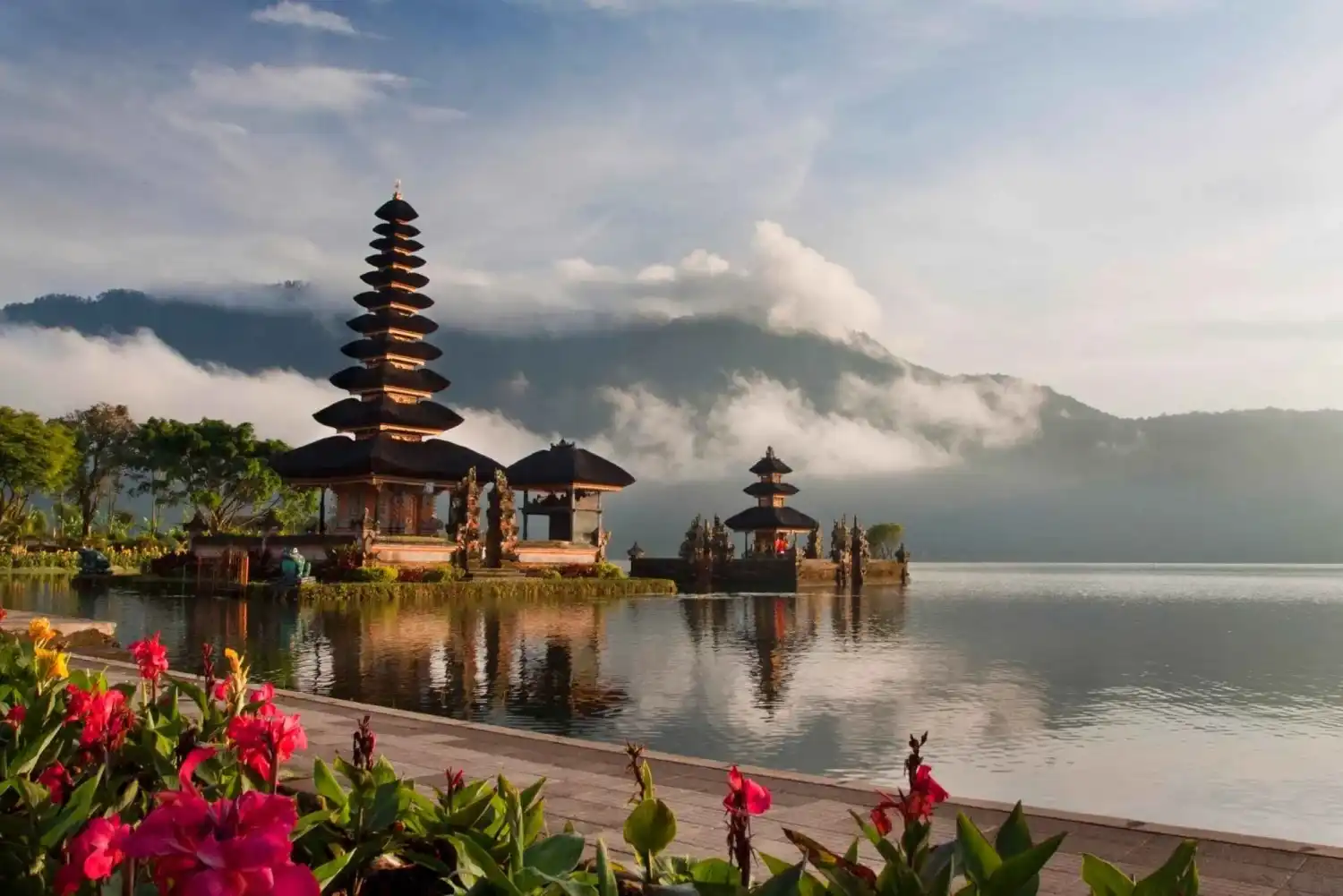
Where Exactly is Bali Located?
Bali is a small island in Southeast Asia, part of Indonesia, and located between the islands of Java and Lombok. It sits just south of the equator, surrounded by the Indian Ocean, which gives it its tropical climate and lush landscapes.

Indonesia itself is made up of over 17,000 islands, and Bali is one of the most famous among them. Despite its relatively small size, it has become a global travel hotspot thanks to its unique mix of culture, nature, and affordability.
Just off Bali’s southeast coast, you’ll also find smaller islands like Nusa Penida and Nusa Lembongan. These are known for their dramatic cliffs, crystal-clear waters, and slightly quieter atmosphere compared to mainland Bali.
Because of its location near the equator, Bali enjoys warm temperatures year-round, making it an ideal destination for beach lovers, surfers, and anyone looking to escape colder climates.
Just how big is Bali:
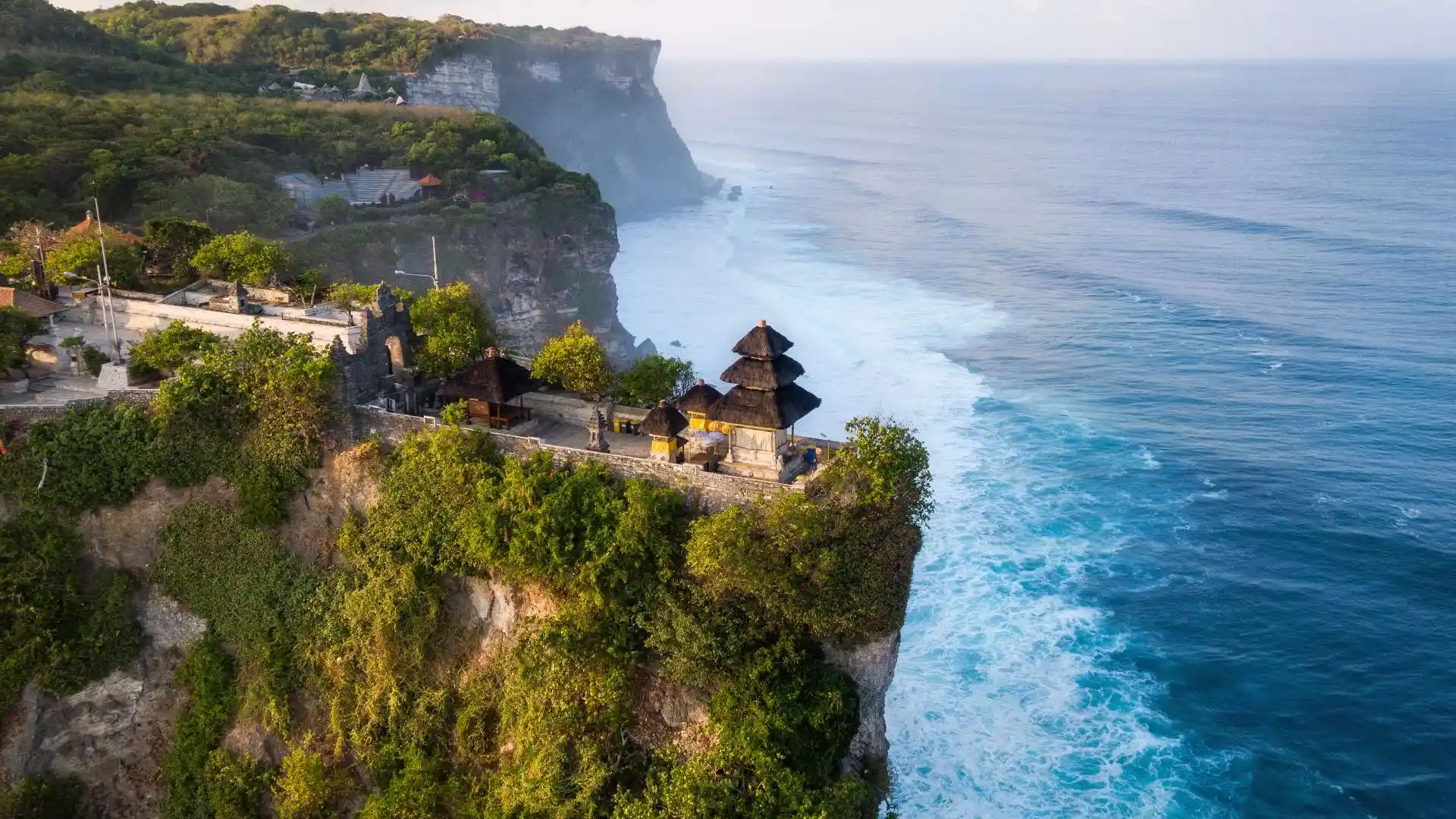
Bali is often smaller than people expect. The island covers around 2,200 square miles (approximately 5,780 square kilometres), making it possible to travel across large parts of the island within a few hours.
However, distances can be deceiving. While Bali might look compact on a map, traffic and winding roads can make travel times longer than expected. That’s why choosing where to stay is so important when planning your trip. In our experience travelling through the towns and villages can increase travel times significantly. You will find there is no ‘rush-hour’ it’s busy from the morning through to late afternoon and even into the evening in busier towns such as Ubud.
Despite its size, Bali offers incredible diversity. In one day, you could be relaxing on a beach in Seminyak, exploring rice terraces in Ubud, and watching the sunset from the cliffs of Uluwatu. The beauty in travelling Bali is being able to explore different regions within the island for a varied experience.
What Makes Bali So Popular?
Bali’s popularity comes down to its balance. It offers luxury experiences at relatively affordable prices, while still maintaining a strong cultural identity.
You’ll find everything from high-end resorts and private villas to budget-friendly guesthouses. If you’re looking for a luxury stay, places like The Apurva Kempinski Resort showcase just how elevated Bali’s hospitality scene can be. We spent 5 days here and would highly recommend if you are looking for a luxury beachfront resort.
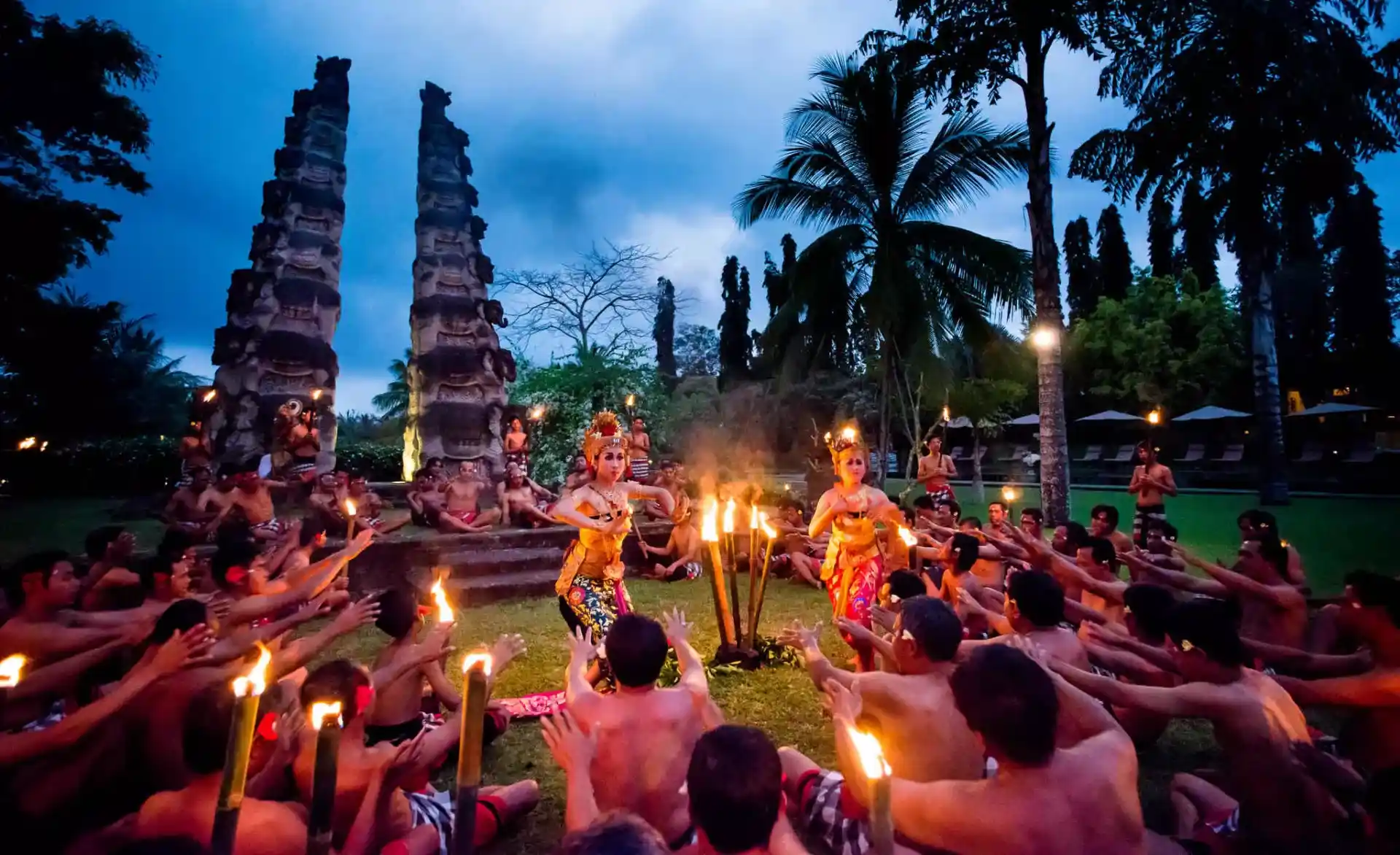
At the same time, Bali remains deeply rooted in its traditions. The island’s culture is heavily influenced by Balinese Hinduism, which you’ll see reflected in daily offerings, temple ceremonies, and traditional dances like the famous Kecak dance.
This combination of culture, nature, and accessibility is what keeps travellers coming back year after year.
What is the Geography of Bali Like?
Bali is much more than just beaches. The island is incredibly varied, with volcanic mountains, dense jungles, rice terraces, and coastal cliffs all packed into one destination.
At the centre of the island lies Mount Agung, Bali’s highest and most sacred volcano, standing at over 3,000 metres. It plays an important role not only in the island’s landscape but also in its spiritual life.
Nearby, Mount Batur is another popular volcano, known for its sunrise hikes. It’s one of the most memorable experiences in Bali—waking up early and watching the sun rise above the clouds is something you won’t forget.
The island’s tropical climate also means you’ll find waterfalls scattered throughout the jungle. Many of these are easily accessible and make for perfect day trips, especially if you’re staying in Ubud.
How to Get to Bali
Getting to Bali requires a bit of planning, especially if you’re travelling from Europe or the United States.
The island’s main airport is Ngurah Rai International Airport (DPS), located near Denpasar. While there are no direct flights from many long-haul destinations, Bali is well connected via major hubs like Singapore, Dubai, and Doha.
Flight times can range from around 16 to 24 hours depending on your route and layovers. Because of this, it’s always worth comparing cheap flights to Bali in advance to find the best deals and most convenient connections.
Booking early, being flexible with dates, and considering alternative departure airports can all make a significant difference in price.
What is the Weather Like in Bali?

Bali has a tropical climate, meaning it stays warm and humid throughout the year. Temperatures are fairly consistent, usually ranging between 26°C and 30°C.
There are two main seasons to be aware of: the dry season and the wet season.
The dry season runs from April to October and is generally considered the best time to visit. You’ll get sunny days, lower humidity, and ideal conditions for beaches, hiking, and exploring. We visited in September and had two days of rain amongst our two week trip. Rain can be expected even in dry season, and it can be heavy when it does arrive.
The wet season runs from November to March. During this time, you can expect more frequent rain, but it rarely lasts all day. In fact, travelling during the wet season can be a great way to avoid crowds and find better deals on accommodation.
When is the Best Time to Visit Bali?
The best time to visit Bali depends on what kind of trip you’re looking for.
If you want the best weather, aim for the dry season between April and October. This is perfect for beach days, outdoor activities, and exploring the island.
However, this is also peak tourist season, especially during July and August. Prices tend to be higher, and popular areas can feel crowded.
For a better balance, consider visiting in May, June, September, or October. These shoulder months offer great weather without the peak season crowds.
Is Bali Expensive?
Bali is known for being one of the most affordable tropical destinations, but the cost of your trip will depend on your travel style.
Budget travellers can get by on around $20–$40 per day by staying in hostels, eating local food, and using affordable transport options.
Mid-range travellers might spend $60–$130 per day, enjoying private rooms, cafes, and a mix of activities.
Luxury travellers, on the other hand, can easily spend $200+ per day staying in high-end resorts and villas.
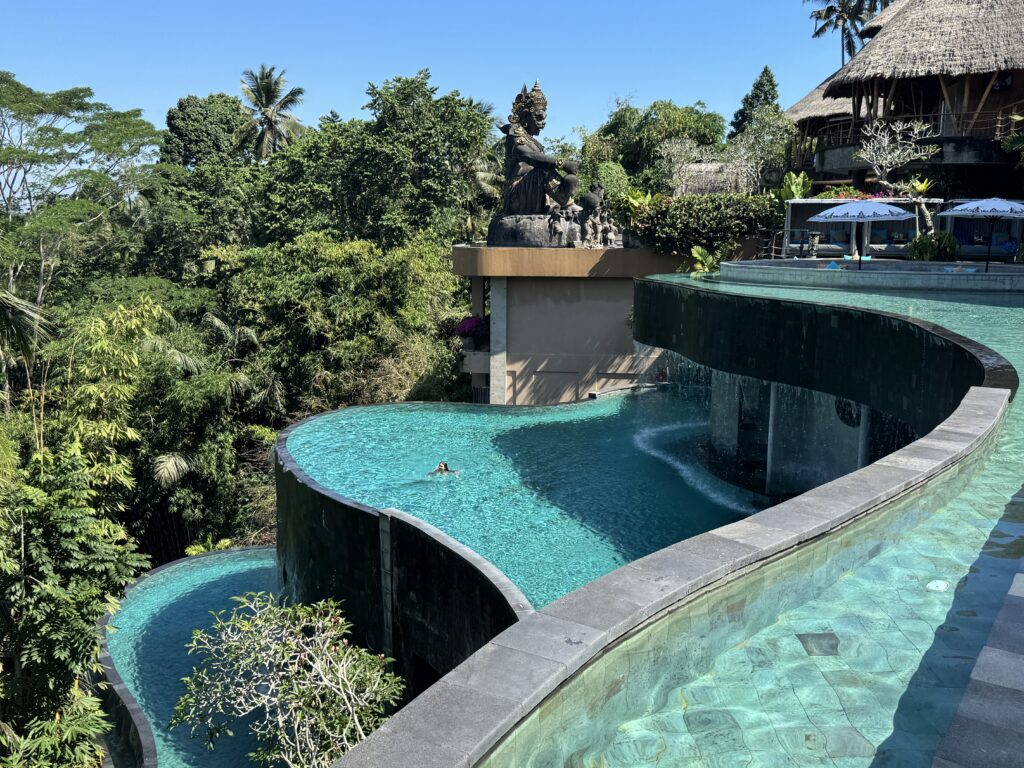
If you’re planning your stay, it’s worth exploring different areas of the island. Ubud offers jungle retreats and cultural experiences, while Seminyak and Canggu are better for beach clubs and nightlife. For something more unique, you might also want to look at luxury jungle stays like those featured in The Kayon Jungle Resort. We spent time in our honeymoon here and it was genuinely the highlight of our trip. Read our guide on The Kayon Resort here (pictured below).
What Are the Best Things to Do in Bali?
Bali offers an incredible range of activities, whether you’re looking for adventure, relaxation, or culture.
Surfing is one of the most popular activities, especially in Kuta and Uluwatu. Even beginners can take lessons and get started easily.

For nature lovers, exploring waterfalls, hiking volcanoes, and visiting rice terraces are all must-do experiences. Bali’s landscapes are incredibly photogenic, which is why it’s become such a hotspot for content creators and photographers.
If you’re planning your itinerary, don’t miss some of the island’s most iconic spots. I’ve put together a full guide to the 17 Most Beautiful & Aesthetic Places in Bali You Can’t Miss, which covers the best locations to add to your trip.
You can also explore temples, take part in cultural experiences, or simply spend your days relaxing at beach clubs and spas. We recommend splitting your time between different activities. We managed to fit in temples, waterfalls, resort time, surfing, beach bars and beach days as well as visiting rice terraces all in the space of two weeks.
Catching waves on the Bali beaches remain the dream because these islands have world-class records for the highest waves that are even enough to test any pro surfer. You can surf easily on Kuta Beach without taking your personal board because of the presence of board rental standing on the beach.
I’ve included some further suggestions below:
Sunrise on Mount Batur
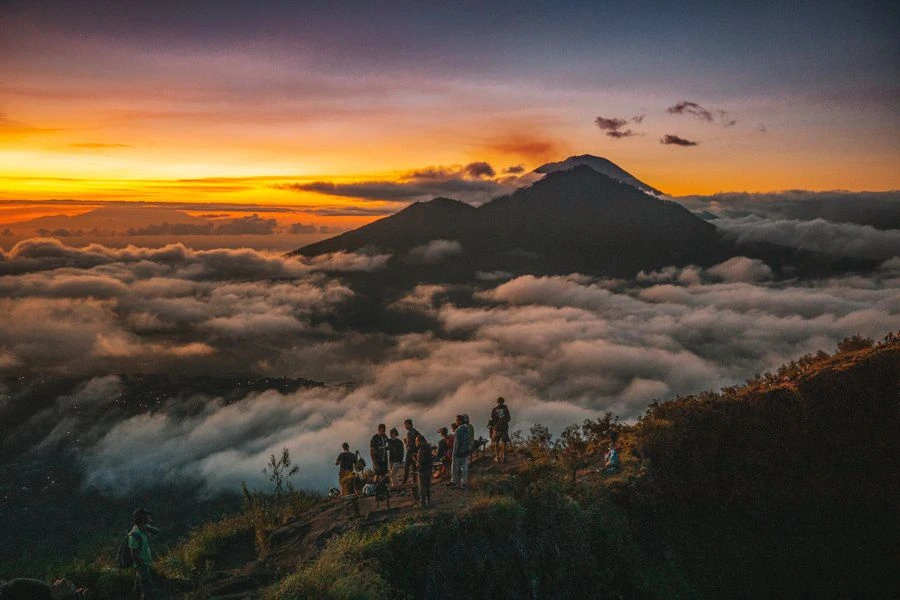
It will be an extraordinary moment when you stand at the 1,717 m summit of Batur Volcano and look at the spellbinding tropical sunrise. Most tourists wake up around 3 am to see the real morning of the world in Bali and hike the Mounts for a solitary experience.
Rollercoaster Ride from Ubud to Sidemen
When you drive from Ubud to Sidemen, you see a beautiful road that shines with the sunlight. It’s the real hideaway that deserves a visit so you could analyze the art of nature in its finished form.
Dive to Watch Bali Reefs
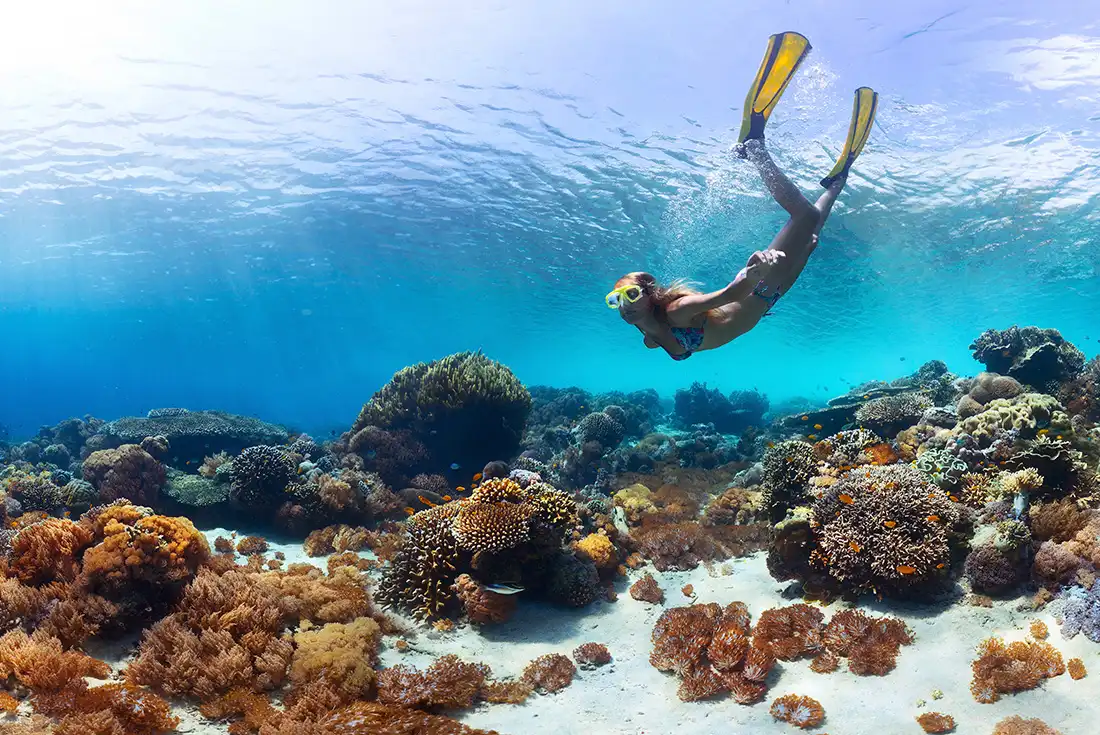
You can have a world-class diving experience on the shore of Menjangan or other Bali islands. In the depth of the sea, you will be closer to rays, turtles, sharks, or sometimes with whale sharks. Pemuteran and Lovian are the types of reefs that are easily accessible from the beach.
Final Thoughts:
So, where is Bali located? On the map, it’s a small island in Indonesia, just south of the equator. But in reality, it’s much more than that.
Bali is a destination that offers something for everyone—whether that’s adventure, relaxation, culture, or luxury. It’s a place where you can wake up in a jungle villa, spend your afternoon at the beach, and end the day watching the sunset over the ocean.
If you’re planning your trip, take the time to research your route, compare cheap flights to Bali, and build an itinerary that matches your travel style.
Once you arrive, you’ll quickly realise why Bali isn’t just a place people visit—it’s a place they keep coming back to.
If you enjoyed this you may also like:
A Complete Bali Travel Guide 2026