





I’m going to be honest with you. Being asked to choose between Rome and Florence feels like being asked to pick a favorite child. (I don’t have children, but I imagine it’s something like this.)
Will and I have been to both cities multiple times now, and every single trip confirms that they are completely different experiences. Same country, same pasta obsession, but the vibes could not be further apart.
If you’re planning your Italy trip and can only fit one city into your itinerary, this guide is for you. And if you can squeeze in both (spoiler, you probably can), I’ll tell you how to do that too.
The Short Answer
If this is your first time in Italy, go to Rome. Full stop. It’s the city that will make you fall in love with the country. The history hits differently when you’re standing inside the Colosseum or staring up at the Sistine Chapel ceiling for the first time. There’s a reason it’s the most visited city in Italy.

If you’ve already done the Rome thing, or if you are deeply into Renaissance art, wine, and food that makes you want to cry into your bistecca, Florence is your city. It’s smaller, slower, and more intimate. You’ll walk everywhere. You’ll eat better than you thought possible. And you’ll probably start fantasizing about buying a crumbling villa in Tuscany.
But that’s the oversimplified version. Let me break it down properly.

Size and Pace
This is the single biggest difference between the two cities, and it affects everything about your trip.
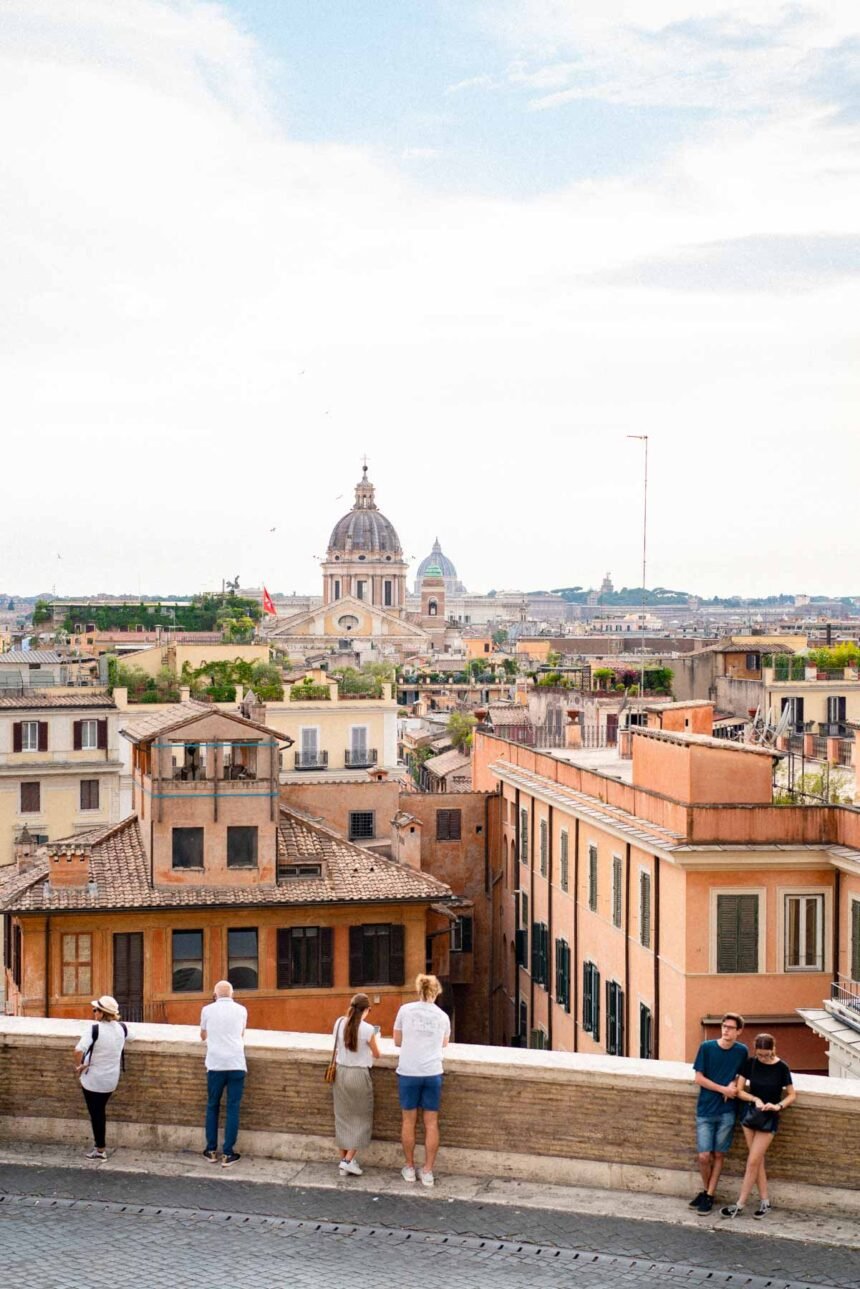
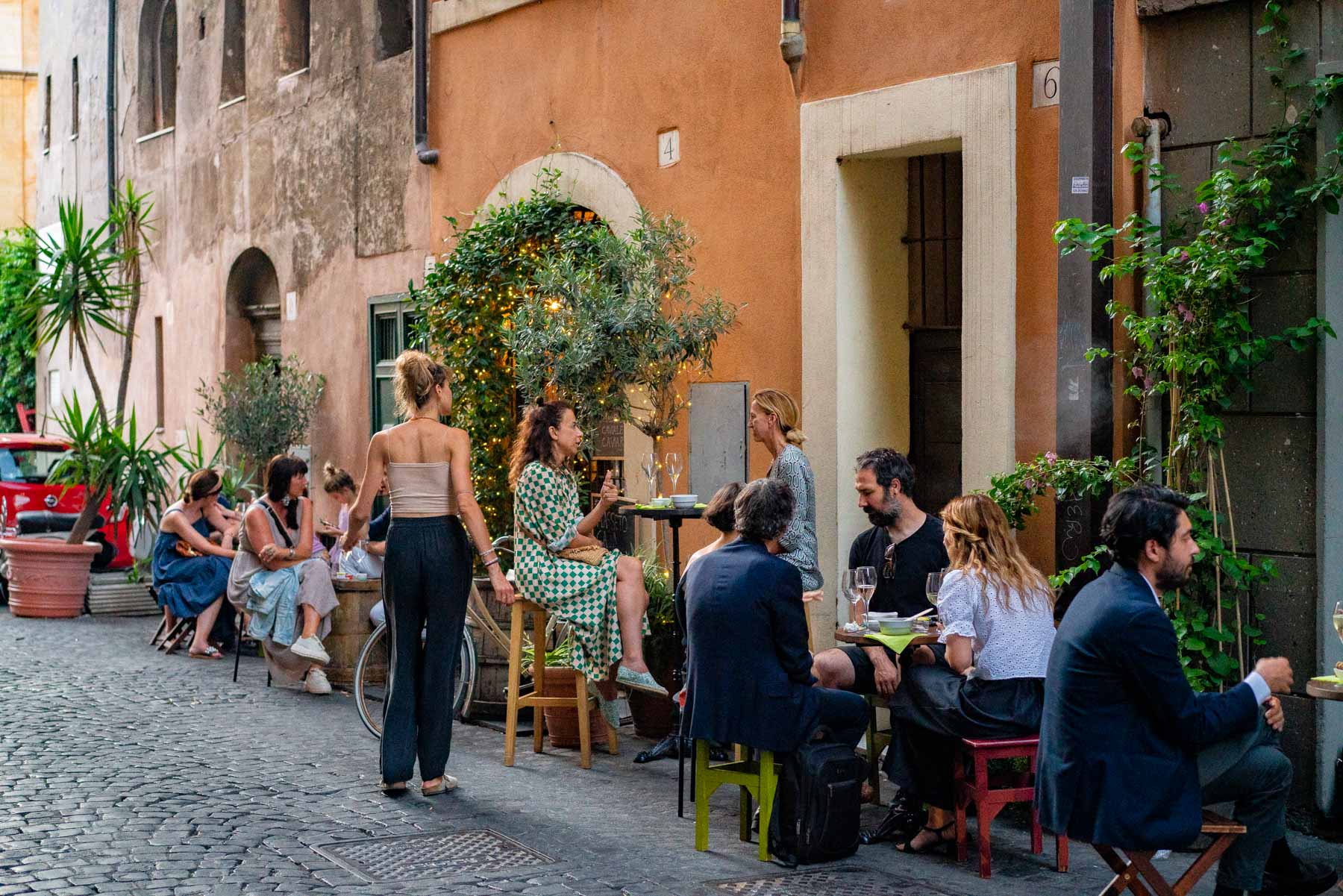
Rome is massive. Like, genuinely huge. It’s a sprawling capital city with nearly 3 million people, crazy traffic, honking Vespas, and neighborhoods that feel like entirely different towns. You will need public transportation. You will get lost. You will also probably walk way more than you planned because you keep stumbling onto something amazing around every corner.
Florence has about 380,000 people, and the historic center is so compact you can walk across it in 20 minutes. Twenty minutes. Everything is right there. The Duomo, the Uffizi, the Ponte Vecchio, your favorite gelato spot. You never have to figure out the bus system or worry about getting to the other side of town. Your feet will still hurt by evening (cobblestones are no joke), but at least you won’t be staring at Google Maps on a crowded bus wondering if you missed your stop.
If you’re the kind of traveler who likes to wander slowly and stumble into things, Florence is going to feel like a dream. If you want a city that constantly surprises you with its sheer scale and chaos, Rome will deliver that in spades.
Food
Okay, let’s talk about the important stuff.
Both cities will feed you extremely well. But the food is different, and your preference here might actually tip the scales for your whole trip.
Roman Food
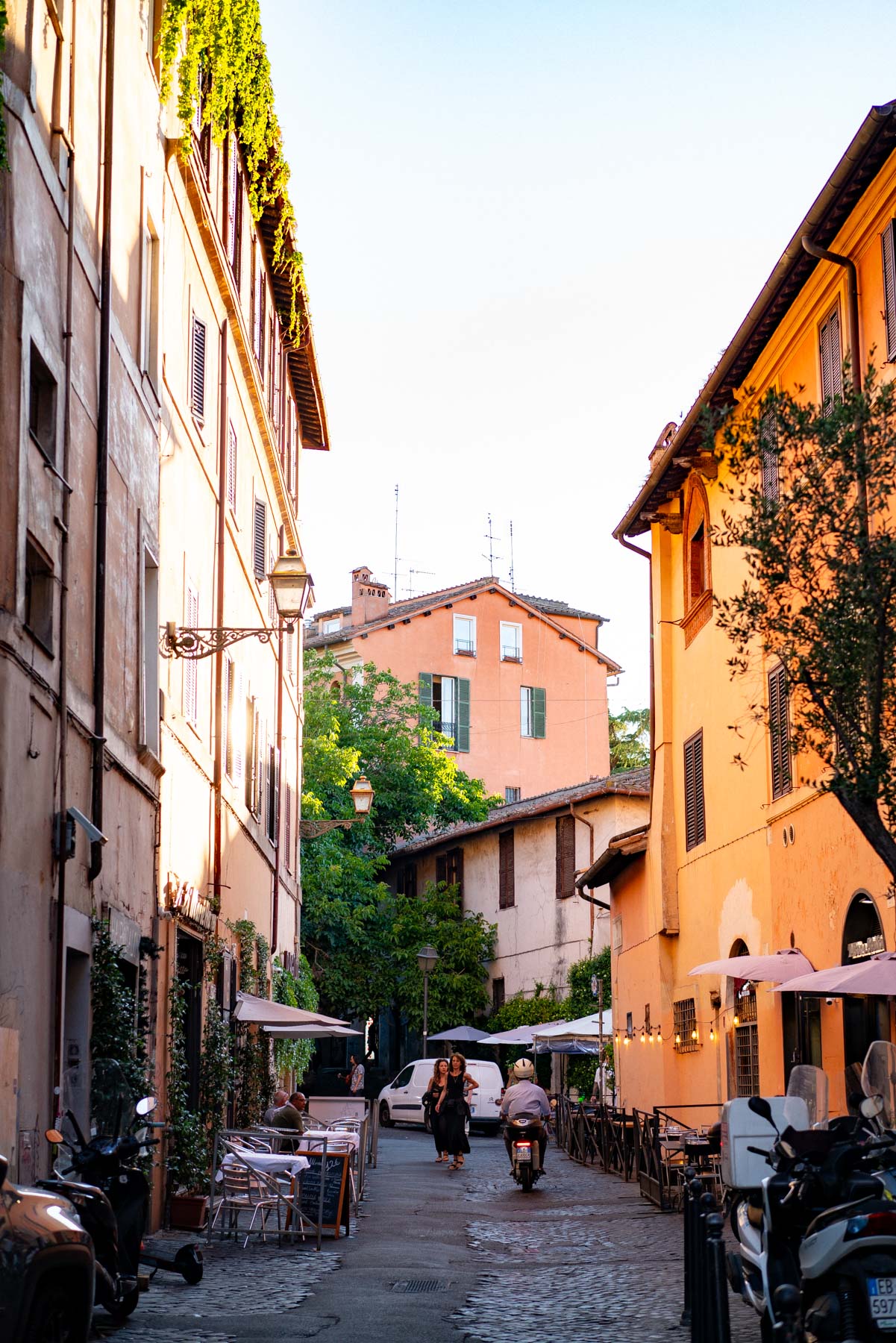
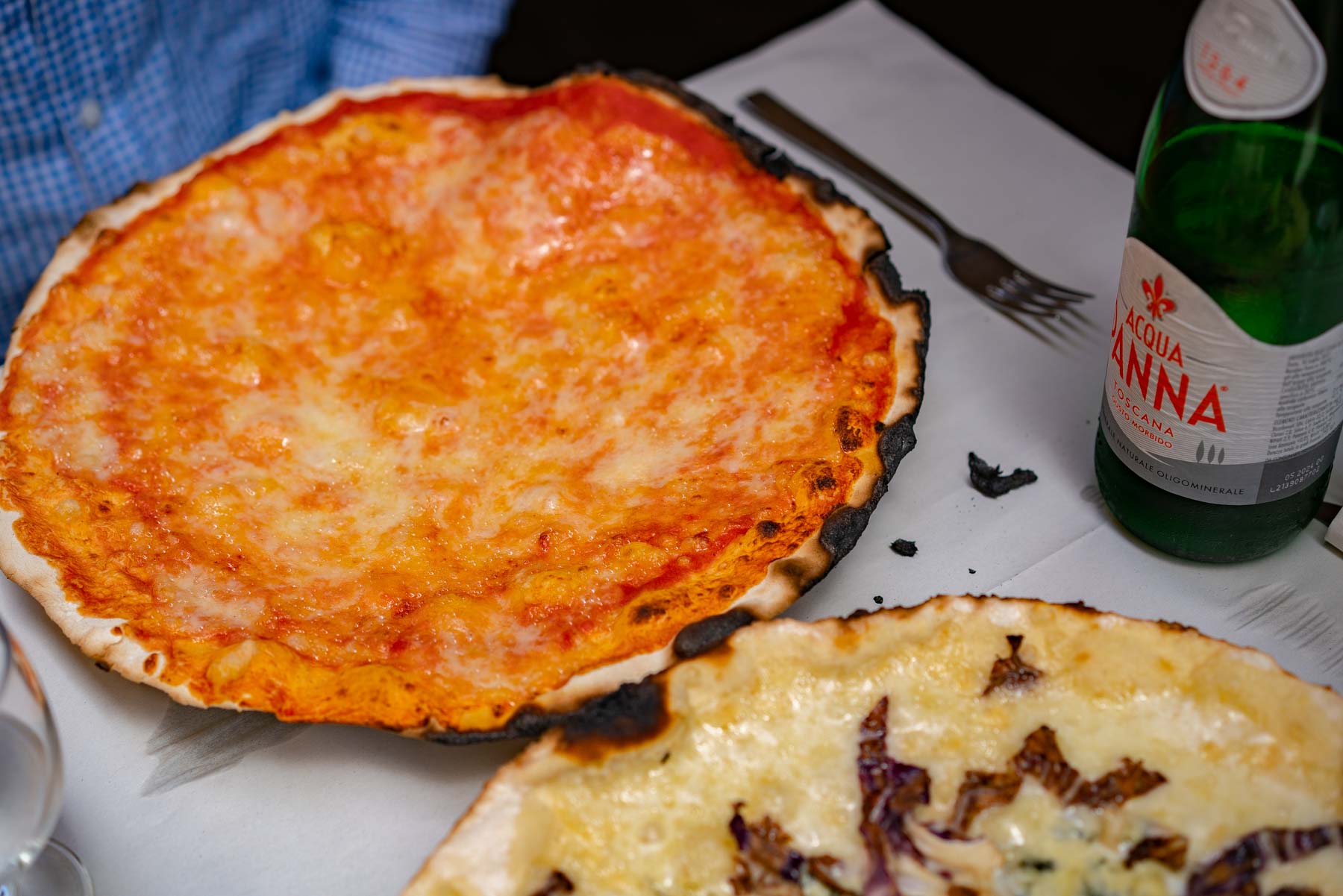
Rome is all about the four classic pastas, and I will never get tired of any of them. Cacio e pepe (pecorino and black pepper, deceptively simple, impossibly good). Carbonara (if anyone puts cream in it, leave the restaurant immediately). Amatriciana (tomato and guanciale with a little kick). And gricia, which is basically carbonara’s lesser-known sibling without the egg.
Then there’s the street food. Supplì are fried rice balls stuffed with gooey mozzarella, and you can get them for like two euros. Pizza al taglio (pizza by the slice, sold by weight) is a Roman thing, and it’s absolutely everywhere. I have a personal problem with Roman pizza al taglio. As in, I cannot walk past it without stopping.
Rome also has a killer aperitivo culture. Many bars will give you access to a whole buffet of food when you order a drink for around 10 to 15 euros. That’s basically dinner if you’re strategic about it.
Florentine Food
Florence and Tuscany are a different beast entirely. The food here is more rustic and earthy. Think thick ribollita soup, pappardelle with wild boar ragu, and the absolute showstopper that is bistecca alla fiorentina, a massive T-bone steak cooked over coals that’s meant to be shared. (Though I have been known to not share.)
Tuscan bread is famously unsalted, which sounds weird but makes sense when everything else is so flavorful. The olive oil is out of this world. The pecorino is different from Rome’s. And the lampredotto sandwiches from street vendors are one of Florence’s best-kept secrets, tripe stewed in broth and piled onto a roll. I know tripe sounds scary, but trust me on this one.
For wine lovers, Florence wins by a mile. You’re in the heart of Chianti, Brunello di Montalcino, and Vino Nobile di Montepulciano territory. Wine tastings are everywhere, and they don’t feel touristy. They feel like your friend’s cool Italian uncle is pouring you glasses in his living room.
My take. If I’m being totally honest, I think Florence edges out Rome on food. But it’s close. Really close.

Art and Museums
Both cities are absolutely packed with world-class art, but the experiences feel totally different.
Rome’s Museums
The Vatican Museums and Sistine Chapel are one of those things everyone should see at least once in their life. I’m not being dramatic. Standing under that ceiling and seeing Michelangelo’s work up close is a genuinely emotional experience, even if you’re crammed in with hundreds of other people craning their necks.
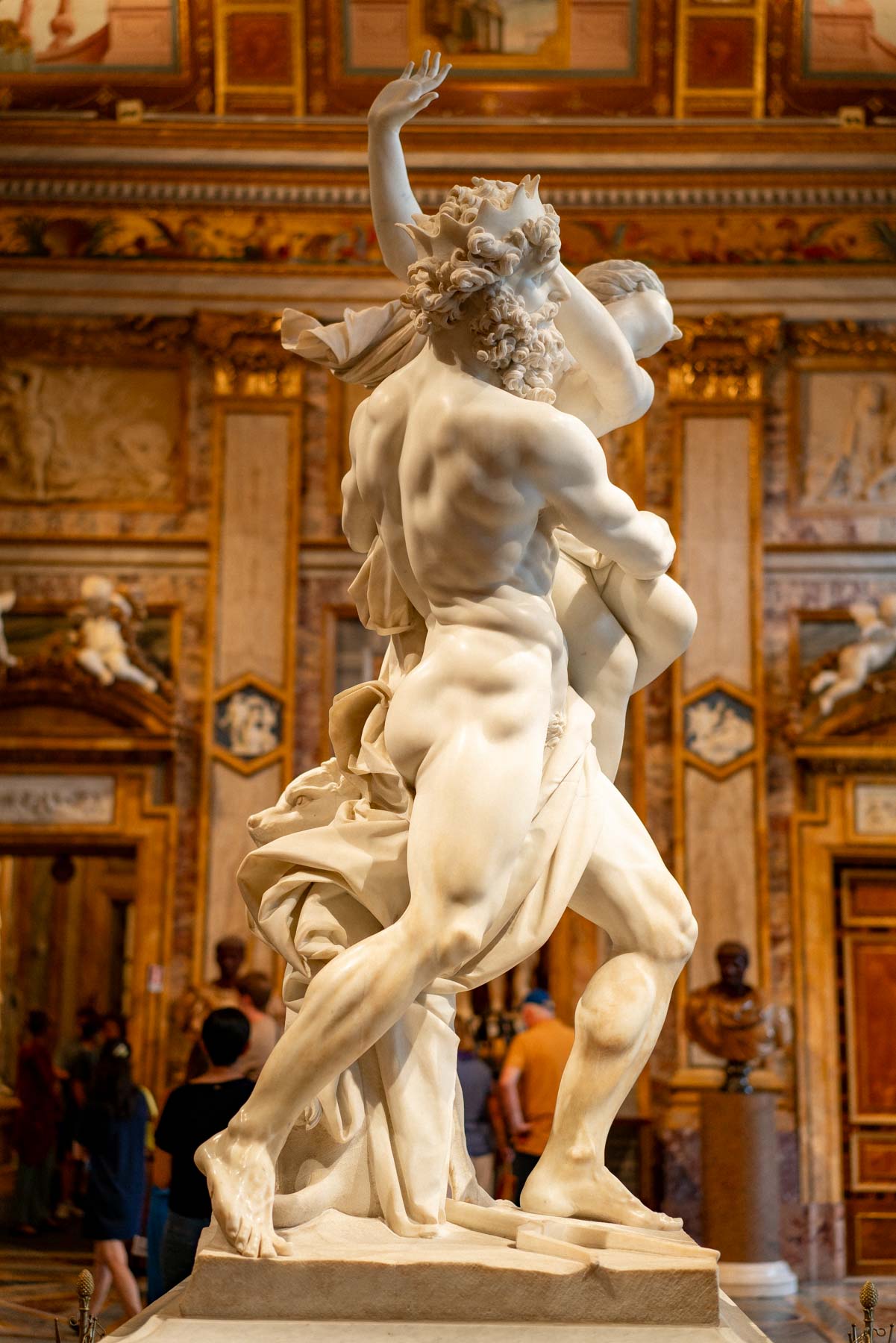
Then there’s the Borghese Gallery, which is my favorite museum in all of Italy. It’s small, it’s intimate, and the Bernini sculptures inside will make your jaw drop. They limit visitors to two-hour time slots, so it never feels crowded. Tickets are about 18 euros and you absolutely must book in advance because they sell out fast.
The Vatican Museums will run you about 20 euros at the gate (25 if you book online with the reservation fee), and the experience is much bigger and more overwhelming. You’ll want at least 3 to 4 hours.
Florence’s Museums
The Uffizi Gallery is the crown jewel here, and it’s packed with Renaissance masterpieces. Botticelli’s Birth of Venus. Caravaggio. Leonardo. It’s a lot. Like, genuinely a lot. You could spend an entire day in there and still not see everything. Tickets are 25 euros, or 16 euros if you go after 4 p.m., which is a pretty great hack.
The Accademia Gallery is where you’ll find Michelangelo’s David. It’s smaller than the Uffizi and you can get through it in about an hour, but seeing David in person is one of those moments where the hype is completely justified. He’s enormous. Like, you think you know how big he is from photos, and then you walk in and realize you had absolutely no idea.
Florence also has the Pitti Palace, which includes multiple museums and the gorgeous Boboli Gardens behind it. A combined ticket for the Uffizi, Pitti Palace, and Boboli Gardens runs about 40 euros and is valid for 5 consecutive days.
My take. Rome has more variety (ancient, baroque, Renaissance all mixed together), but Florence’s art hits harder if Renaissance paintings are your thing. The Borghese in Rome is still my number one, though. I will die on that hill.
Architecture and Sightseeing
Here’s where Rome pulls ahead for a lot of people.
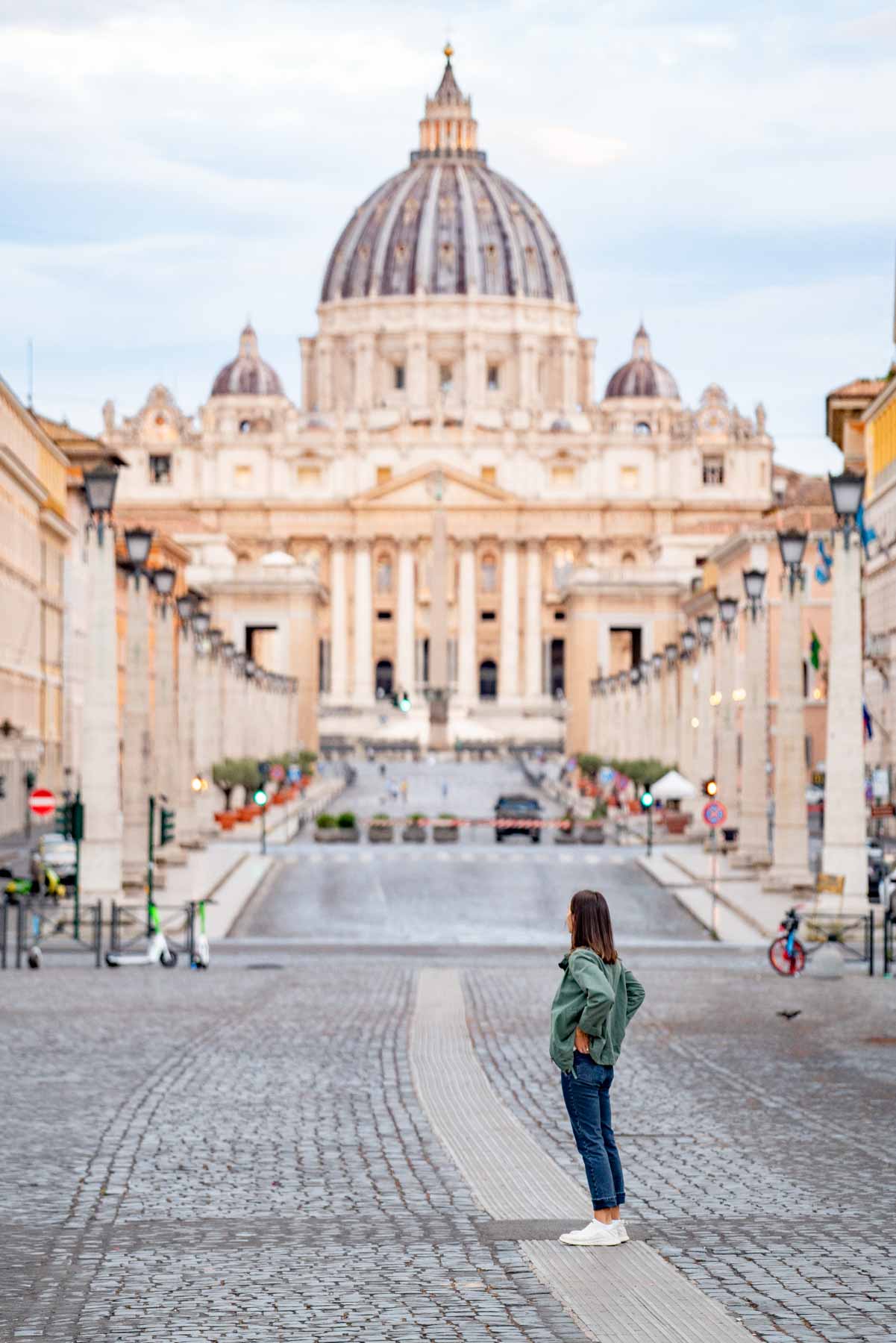
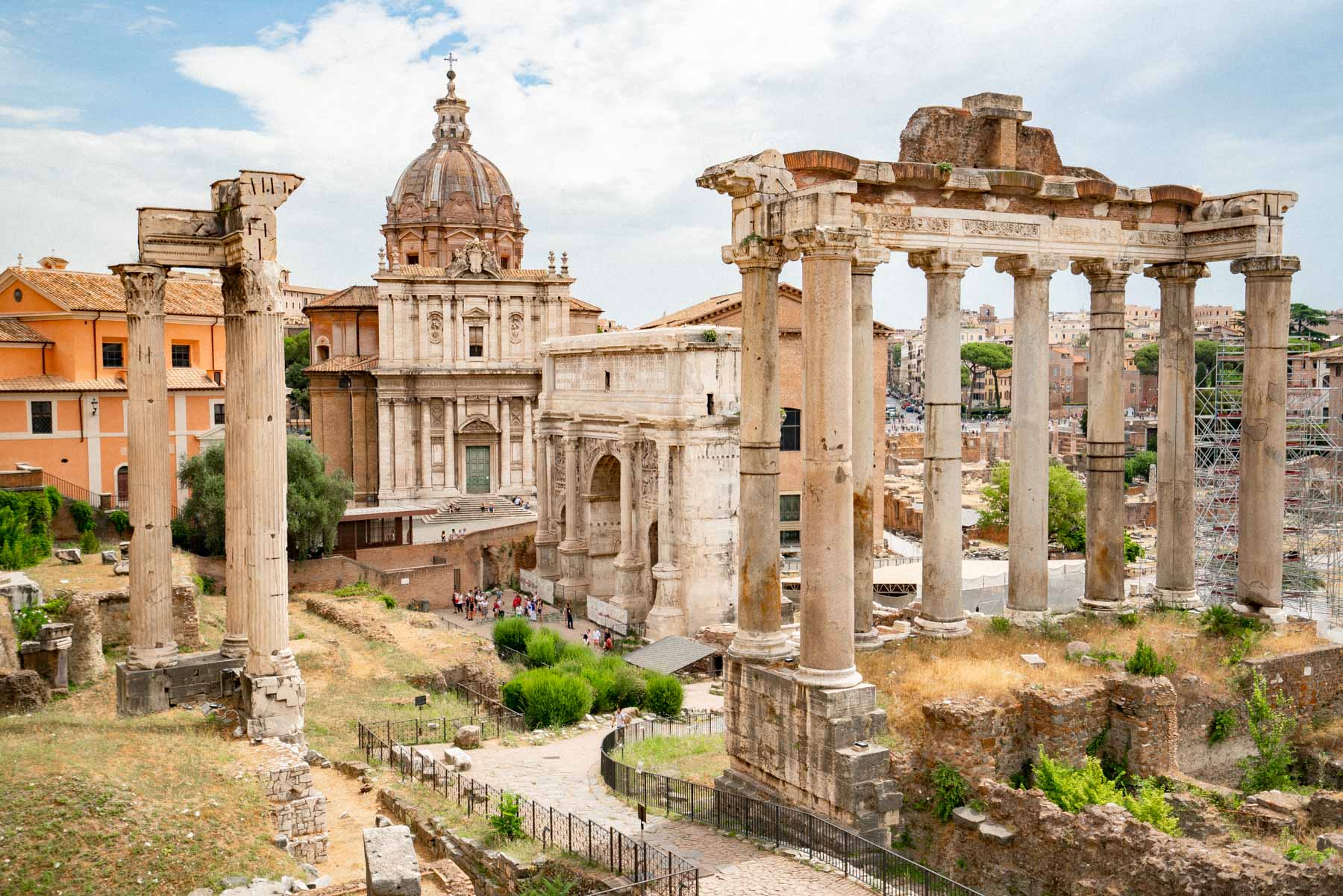
Rome has layers. Ancient ruins from 2,000 years ago sit right next to Baroque churches and modern apartment buildings. You can walk from the Colosseum to the Roman Forum to the Pantheon (which is free, by the way) to the Trevi Fountain all in one afternoon. The scale of what you’re seeing is hard to process. These are buildings from actual ancient Rome. People lived and fought and hung out here thousands of years ago.
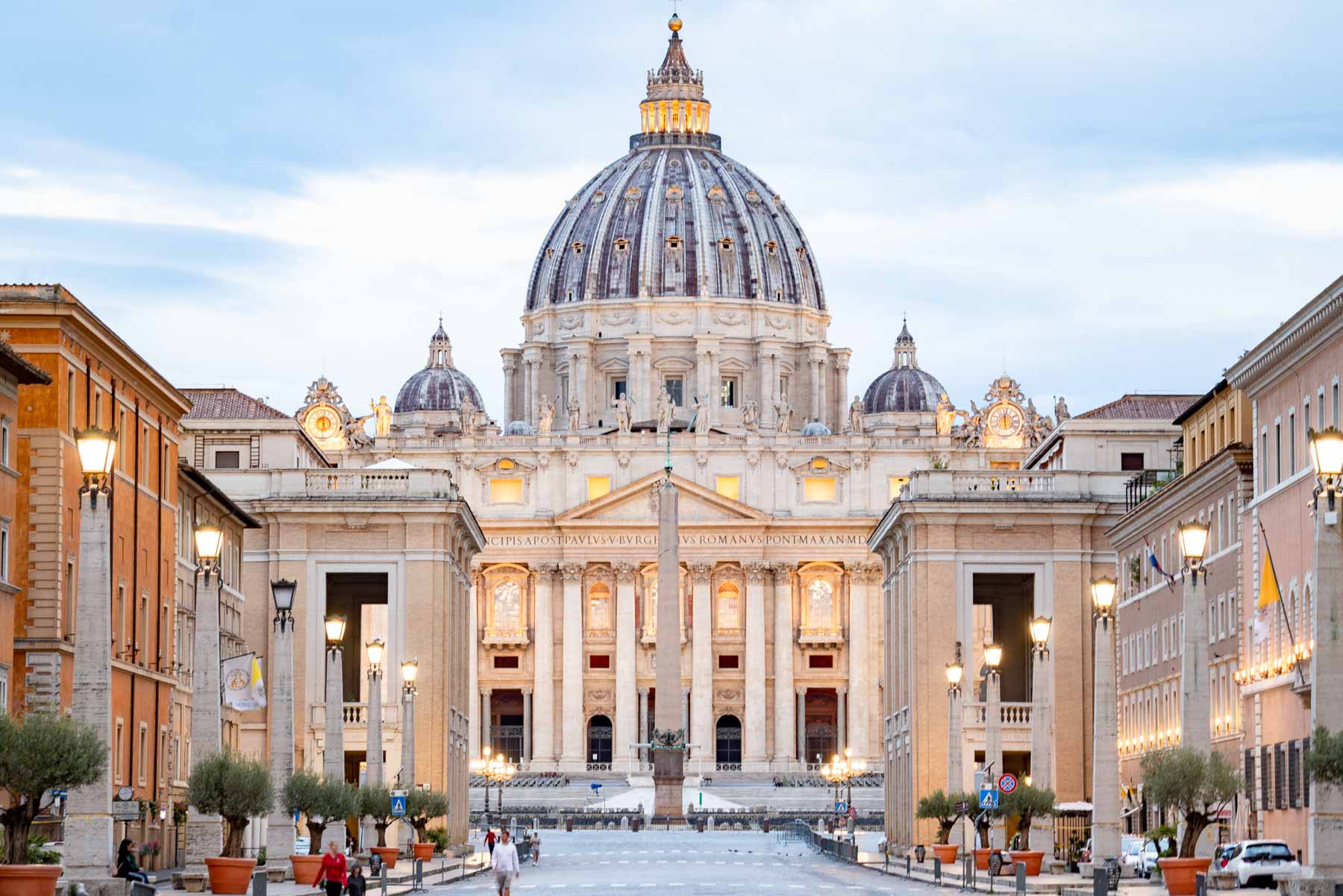
Rome also has some of the most beautiful churches I’ve ever seen. They’re everywhere and most of them are free to enter. You could spend an entire trip just popping into churches and being blown away by the frescoes and marble. I’m not even particularly religious, but some of these places made me understand why people build cathedrals.
Florence’s architecture is more cohesive. The whole city feels like a living museum of the Renaissance. The Duomo with Brunelleschi’s dome is the star, and climbing to the top for the panoramic view is worth every single one of those 463 steps. The Ponte Vecchio over the Arno River is stunning, and wandering through the Oltrarno neighborhood on the other side feels like stepping back in time.
Florence is also just gorgeous in a way that’s hard to describe. The terra-cotta rooftops, the golden light in the late afternoon, the way the city glows at sunset from Piazzale Michelangelo. It’s the kind of pretty that makes you take 400 photos that all look the same because you can’t stop yourself.
My take. Rome wins on sheer volume and variety of things to see. Florence wins on atmosphere and beauty. Both will make you feel things.
Day Trips
This is where Florence has a serious advantage.
Day Trips from Florence
Florence is your gateway to Tuscany, and Tuscany might be the most beautiful region in all of Europe. I’m not exaggerating. The rolling hills, cypress-lined roads, medieval hill towns, and vineyards go on forever.
You can day trip to the Chianti wine region (30 minutes by car), San Gimignano and its medieval towers, Siena and its jaw-dropping piazza, the Val d’Orcia (which looks like every Tuscan screensaver you’ve ever seen), and even Cinque Terre or Pisa by train. Lucca is another favorite of ours, a walled town with the most charming bike-friendly streets.
Honestly, the day trips from Florence might be better than Florence itself. That’s not a knock on Florence. Tuscany is just that good.
Day Trips from Rome
Rome has solid day trip options too, but they’re less dreamy. Ostia Antica is an ancient Roman port city that’s only 30 minutes away and way less crowded than Pompeii. It’s one of the most underrated archaeological sites in Italy, and Will and I always recommend it to people who want ruins without the tourist chaos.
Tivoli has Villa d’Este with its famous Renaissance fountains and Villa Adriana (Hadrian’s Villa), both of which are UNESCO World Heritage sites. You can visit Orvieto, a gorgeous hilltop town in Umbria with a stunning cathedral. The Castelli Romani hill towns like Frascati are perfect for a lazy afternoon of local wine and porchetta sandwiches. And Pompeii and Naples are doable in a long day by fast train, though honestly Naples deserves its own overnight.
They’re all good. But they don’t have the same magic as rolling through the Tuscan countryside with a glass of Brunello in your hand. (Assuming you’re not driving. Please don’t drink and drive through Tuscany.)
Cost Comparison
Let’s talk money, because Italy is not the cheapest place in the world right now.
Florence is slightly cheaper than Rome overall, but we’re not talking a dramatic difference. Here’s roughly what to expect on a mid-range budget in 2026.
Accommodation. A decent mid-range hotel in Rome runs about 160 to 240 euros per night in central areas. Florence is similar, maybe 120 to 200 euros for comparable quality. Both cities are cheaper if you stay slightly outside the main tourist zones and significantly cheaper in the off-season (November through February).
Food. A good trattoria dinner in Rome costs about 25 to 40 euros per person. Florence is right in that same range, maybe a touch less. Lunch specials in Rome’s residential neighborhoods can be a steal at 12 to 18 euros for multiple courses.
Transport. This is where Florence saves you money. Since everything is walkable, you probably won’t spend a cent on transportation within the city. In Rome, a 7-day transit pass costs 24 euros, and you’ll actually use it.
Museums. Roughly similar. The Vatican Museums are about 24 euros (booked online), the Uffizi is 25 euros. Neither city is cheap on museum admission, but the major sights are all worth it.

How Many Days Do You Need?
This matters a lot for planning, and the two cities are very different here.
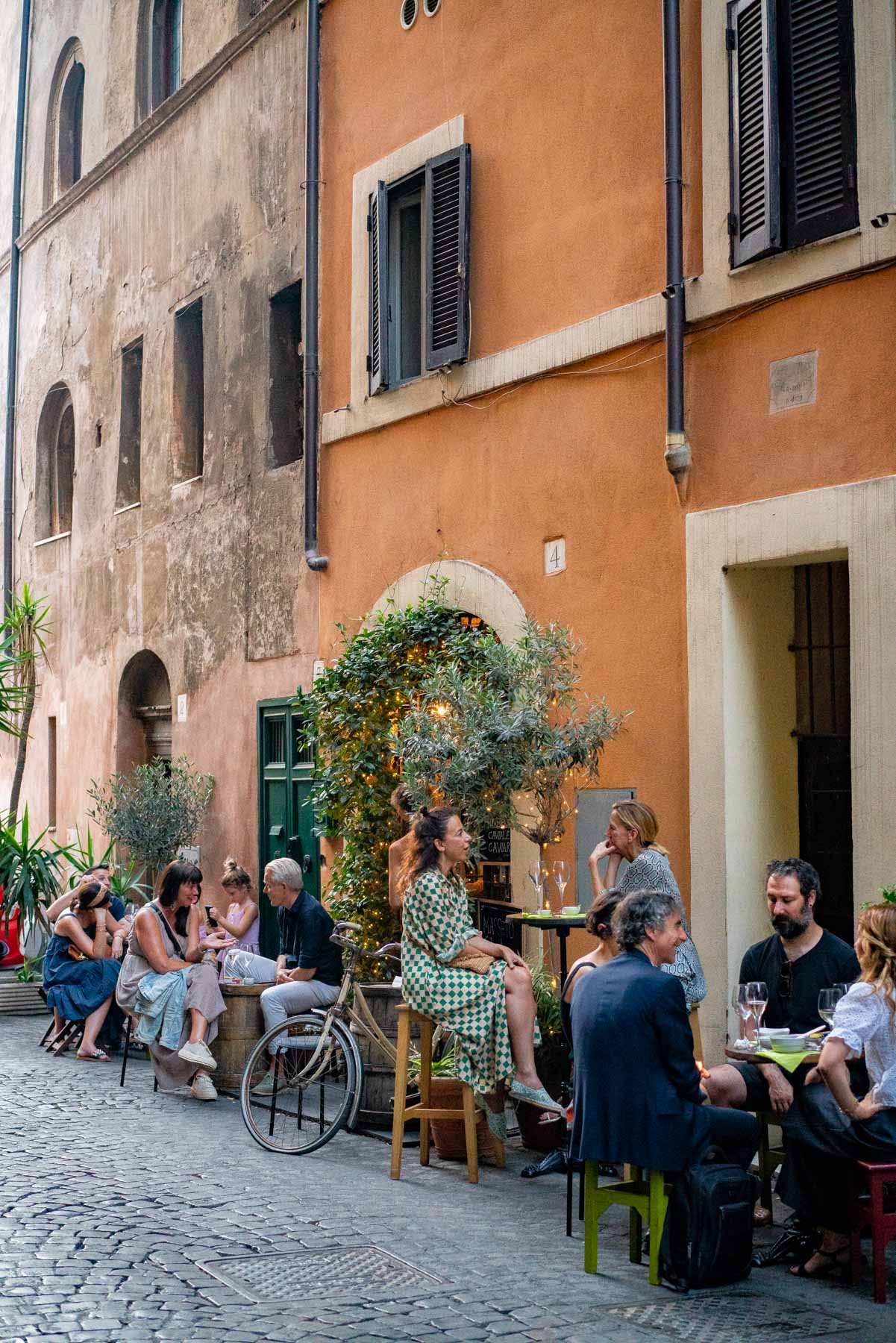
Rome needs a minimum of 4 days. Honestly, you could spend a week and still not see everything. There’s just so much ground to cover, and rushing through Rome defeats the entire purpose. You need time to wander, to sit in piazzas, to eat your weight in supplì, and to actually enjoy the city instead of sprinting between landmarks. We’ve done both 3-day and 4-day Rome itineraries, and the difference is night and day. That extra day lets you explore neighborhoods like Trastevere and Testaccio without feeling guilty about skipping a museum.
Florence needs 2 to 3 days for the city itself. You can see the major highlights in two full days, and three days lets you really settle in and explore at a leisurely pace. With three days, you can do the Uffizi one morning, climb the Duomo another, and still have time for a long lunch in the Oltrarno without consulting a spreadsheet. But if you’re adding Tuscan day trips (and you should), plan for 4 to 5 days total based in Florence.
This is actually a big factor in the Rome vs Florence debate. If you only have a long weekend, Florence is the smarter pick because you can actually see it properly. Rome in 2 days is just stressful.
Can You Do Both?
Yes. And honestly, I think you should try.
The high-speed train between Rome and Florence takes about 1.5 hours, runs constantly throughout the day, and tickets start around 15 to 20 euros if you book in advance. Both Trenitalia’s Frecciarossa and Italo run the route, with around 100 departures daily. It’s one of the easiest train connections in all of Europe.
If you have a week in Italy, I’d split it like this. Four days in Rome, then hop the train to Florence for 3 days (or 2 days with a Tuscan day trip squeezed in). You get the best of both worlds without feeling like you’re rushing.
If you only have 5 days total, do 3 in Rome and 2 in Florence. It’s tight, but doable. You’ll hit the highlights and you won’t have to agonize over choosing just one.
One thing I wouldn’t recommend is doing Florence as a day trip from Rome (or vice versa). Three hours of round-trip travel eats into your day, and both cities deserve more than a few rushed hours. Give them each at least a full overnight.

Final Verdict by Traveler Type
Because there’s no one-size-fits-all answer, here’s how I’d break it down.
First time in Italy? Go to Rome. The history, the energy, the sheer volume of things to see. Nothing else in Italy gives you that same “I can’t believe I’m actually here” feeling.
Already been to Rome? Florence, without question. It’ll give you a completely different side of Italy.
Foodies and wine lovers? Florence. The Tuscan food and wine scene is hard to beat, and those day trips to wine country seal the deal.
History buffs? Rome. Two thousand years of history piled on top of each other. You literally cannot walk 5 minutes without tripping over ancient ruins.
Art lovers? This one’s a coin flip, honestly. Rome has more variety across different periods, but Florence is the undisputed capital of the Renaissance. If Botticelli and Michelangelo’s David are on your bucket list, go to Florence. If you want Bernini, Caravaggio, and the Sistine Chapel, go to Rome.
Travelers with limited time? Florence. You can see it properly in 2 to 3 days. Rome really needs 4 or more.
People who hate crowds? Florence is still crowded (especially in summer), but it’s nothing compared to Rome’s tourist crush. If you’re visiting during peak season, Florence will feel more manageable.
Couples looking for romance? Florence. I said what I said. The sunset from Piazzale Michelangelo, a bottle of Chianti at a tiny osteria, wandering hand-in-hand through the Oltrarno. It’s offensively romantic.
So here’s the thing. Both cities are going to blow your mind. You genuinely cannot make a wrong choice here. But if you twisted my arm and made me pick one for a first-time Italy visitor, I’d say Rome. And if you made me pick one for myself, right now, tomorrow? I’d probably say Florence.
Now stop overthinking it and go book your flights. And if this is your first time visiting Rome, don’t miss our guide to 10 mistakes to avoid in Rome.