





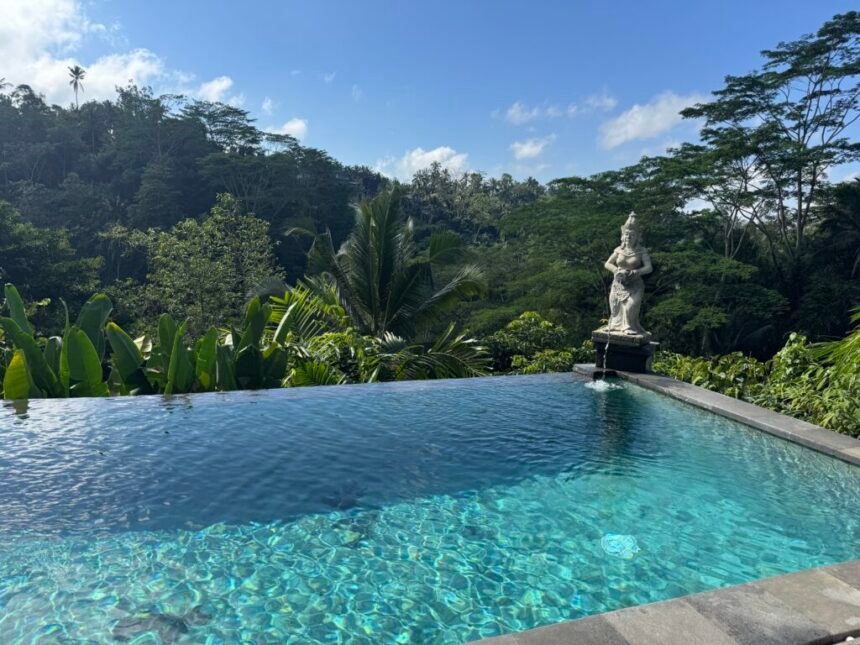
Bali is one of those places that looks incredible no matter when you go, but timing your trip can make a noticeable difference once you’re actually there. We visited in September and, for the most part, had great weather across Ubud, Uluwatu, and Nusa Dua, with just a couple of days of heavy rain. It was still busy in places like Ubud town centre, and pricing felt close to peak season, but booking in advance helped us find some good deals. If it’s your first time visiting, it’s also worth reading our full Bali travel guide before you start planning, as where you stay and how you structure your trip plays just as big a role as when you go.
If you’re planning your first trip, getting the timing right isn’t just about sunshine. It affects how crowded places feel, how much you’ll pay, and ultimately how much you enjoy the overall experience.
Understanding Bali’s Seasons
Bali has two distinct seasons, but they’re not as extreme as people sometimes expect.
The dry season runs from May through to September and is generally considered the best time to visit. Days are typically sunny, humidity is lower, and it’s much easier to get out and explore. Whether you’re visiting temples, heading to the beach, or moving between different parts of the island, everything just feels easier during this period.


The wet season, which runs from October to April, brings higher humidity and more frequent rainfall. It doesn’t mean constant rain all day, but showers can be heavy and unpredictable, often arriving in the afternoon or evening. You can still travel during this time, but your plans need to be a bit more flexible.
The Best Time to Visit Bali (Quick Answer)
If you’re looking for the best overall balance, May, June, and September stand out.
These months give you the benefits of the dry season without the intensity of peak crowds. You still get great weather, but the island feels more manageable, and prices are generally a bit more reasonable.
August, on the other hand, is peak season. The weather is excellent, but it’s also when Bali is at its busiest. A lot of this comes from Australian travellers during school holidays, and you’ll feel it in both crowds and pricing. It’s still a good time to go, but not necessarily the best value or the most relaxed experience.
What Each Time of Year Actually Feels Like
At the start of the year, particularly in January and February, Bali is firmly in its wettest period. Rain is more frequent, humidity is high, and conditions aren’t ideal if you’re planning to move around a lot or spend most of your time outdoors. That said, this is when you’ll find quieter resorts and lower prices, so it can still work if your focus is purely on relaxing.
As you move into March and April, things begin to improve slightly. Rain is still around, but you’ll start to get more consistent sunshine between showers. It’s a bit of a transition period, which makes it a reasonable option if you’re trying to avoid both peak prices and peak crowds.
From May onwards, Bali really comes into its own. The weather becomes far more reliable, the humidity drops, and everything feels fresher after the rainy season. June continues in the same way, offering some of the best conditions you’ll find all year without the busyness that comes later.
July and August bring the best weather, but also the most people. Beaches, restaurants, and popular spots are noticeably busier, and prices are at their highest. If you don’t mind the atmosphere, it’s still a great time to visit, but it’s not the most relaxed version of Bali.
September, when we visited, feels like a step back from that peak. The weather is still excellent, but the crowds ease slightly. Ubud was still busy, particularly in the centre, but other areas like Uluwatu and Nusa Dua felt much more comfortable. It struck a really good balance overall.
By October, the weather starts to shift again. You’ll still get good days, but rain becomes more unpredictable. As you move into November and December, rainfall increases, especially later in the day. December can still feel busy due to holiday travel, but conditions are less reliable compared to the middle of the year.
Choosing the Right Time Based on Your Trip
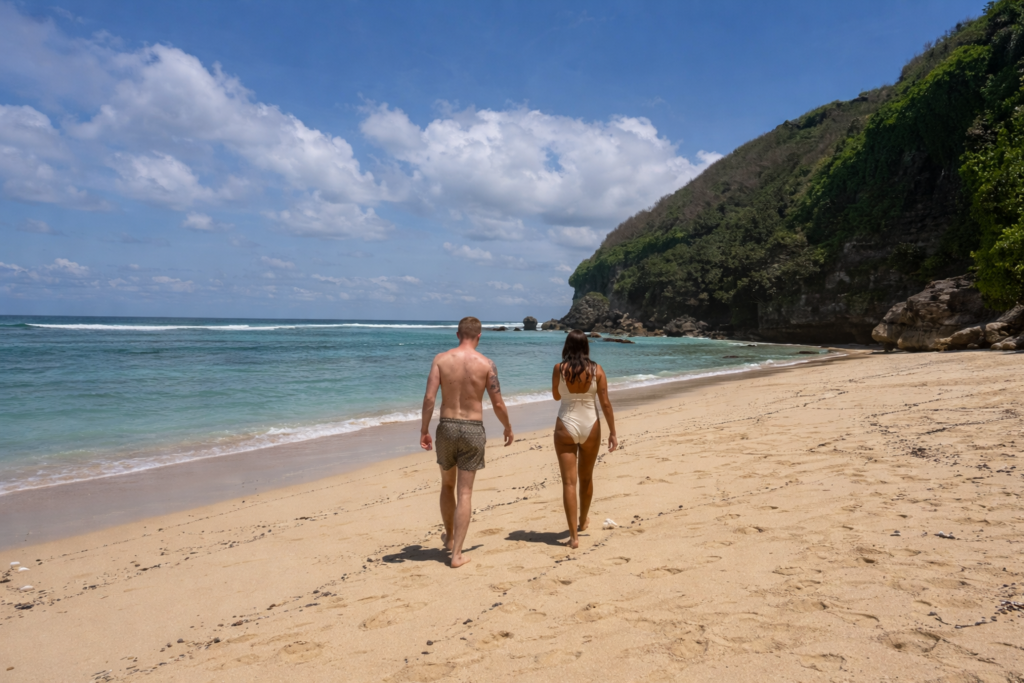
If you’re planning a honeymoon or a special trip, timing becomes even more important. You want good weather, but also an experience that feels relaxed and enjoyable. This is where months like May, June, and September really stand out.
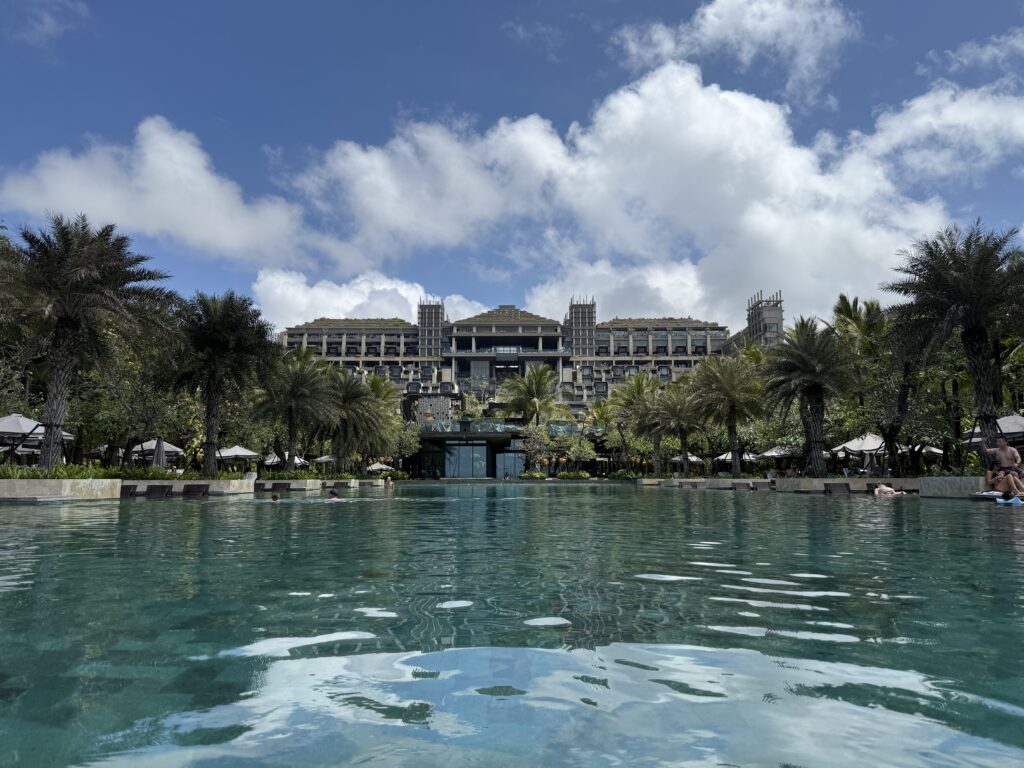
Staying somewhere like the Kayon Jungle Resort during this period makes a huge difference. The setting, the views, and the overall experience feel far more enjoyable when the weather is on your side. If you’re finishing your trip in a larger resort such as the Apurva Kempinski, you’ll also benefit from calmer conditions and fewer crowds around shared spaces.
For beach-focused trips, particularly in places like Uluwatu, the dry season is the clear winner. The water is cleaner, conditions are better for swimming and surfing, and you’re far more likely to get those clear, sunny days that make the coastline stand out.
If budget is your main priority, then the wet season offers opportunities. Prices drop, availability improves, and you can still have a good trip—you just need to accept that the weather won’t always cooperate.
| Month | Weather | Crowds | Prices | Overall |
|---|---|---|---|---|
| January | Heavy rain, high humidity | Low | Low | Best for budget & resorts |
| February | Wettest month, frequent rain | Low | Low | Not ideal for exploring |
| March | Mixed weather, improving | Low–Medium | Low–Medium | Decent shoulder month |
| April | Transition to dry season | Medium | Medium | Good value option |
| May | Sunny, low humidity | Medium | Medium | ⭐ One of the best months |
| June | Excellent weather | Medium | Medium–High | ⭐ Ideal balance |
| July | Dry, sunny | High | High | Great weather, busy |
| August | Best weather | Very High | Very High | Peak season |
| September | Sunny, slightly cooler | Medium | Medium | ⭐ One of the best months |
| October | Mixed, some rain returns | Medium | Medium | Good shoulder month |
| November | Increasing rain | Low–Medium | Low | Budget-friendly |
| December | Rainy, humid | High (holidays) | Medium–High | Busy but unpredictable weather |
When You Might Want to Avoid Bali
There isn’t really a bad time to visit Bali, but there are periods that might not suit what you’re looking for.
January and February can feel heavy with rain and humidity, which makes exploring less enjoyable. At the other end, August brings the opposite issue—great weather, but peak crowds and higher prices.
If you’re trying to find that balance between experience, cost, and comfort, those are the two periods you might think twice about.
If you are still working out where to start, check out our full guide covering the best things to do, where to stay, and typical costs.
Final Thoughts
Bali works year-round, but the difference between a good trip and a great one often comes down to timing.
If you want the best overall experience, aim for May, June, or September. You’ll get the benefits of the dry season without the intensity of peak crowds, and the island feels far more enjoyable as a result.
When you’re ready to start planning, you can explore the latest flight deals into Denpasar (Bali) below 👇
FAQs
What is the best month to visit Bali?
May, June, and September are generally the best months thanks to a strong balance of weather, crowds, and value.
Is September a good time to visit Bali?
Yes, it’s one of the best times. We visited in September and had mostly great weather with fewer crowds than August.
When is the cheapest time to visit Bali?
The wet season, from November to March, usually offers the lowest prices, but with more unpredictable weather.
Is August a good time to visit Bali?
Weather is excellent, but it’s peak season with higher prices and more crowds.
If you enjoyed this article you may also like:
Where is Bali Located? A Complete Travel Guide for First-Time Visitors
17 Most Beautiful & Aesthetic Places in Bali You Can’t Miss