





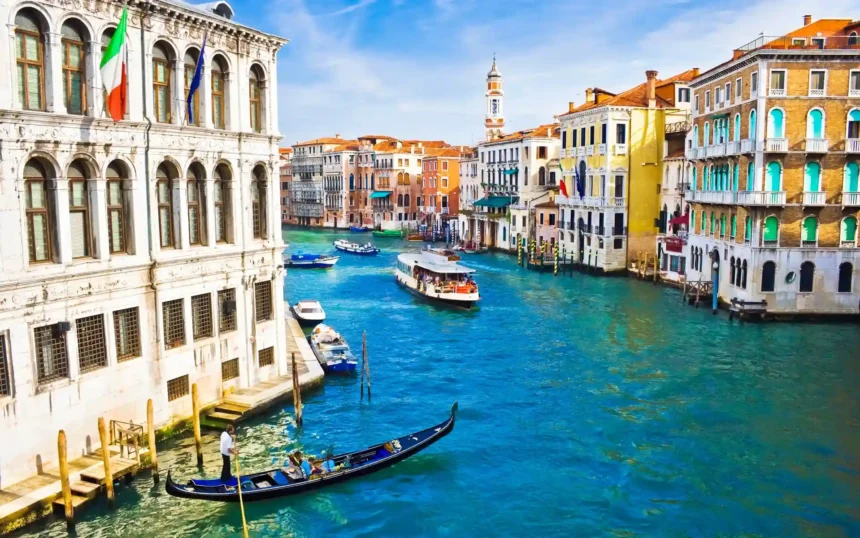
Venice is one of those cities that feels almost unreal when you first arrive. With its winding canals, historic palaces, and maze-like streets, it’s unlike anywhere else in the world. But one of the biggest challenges when planning a trip here is understanding how the city is actually laid out.
Unlike most cities, Venice isn’t divided into typical districts—it’s split into six historic neighbourhoods known as sestieri. Each one has its own personality, atmosphere, and unique things to see and do. Choosing the right area to explore (or stay in) can completely shape your experience.
If you’ve never visited before, navigating Venice can feel overwhelming. But once you understand the layout, it becomes part of the adventure. This guide breaks down the best neighbourhoods in Venice, what makes each one special, and where you should spend your time depending on your travel style.
If you’re planning your trip, it’s also worth checking cheap flights to Venice early—prices can vary a lot depending on the season, and Venice is one of those destinations that rewards booking ahead.



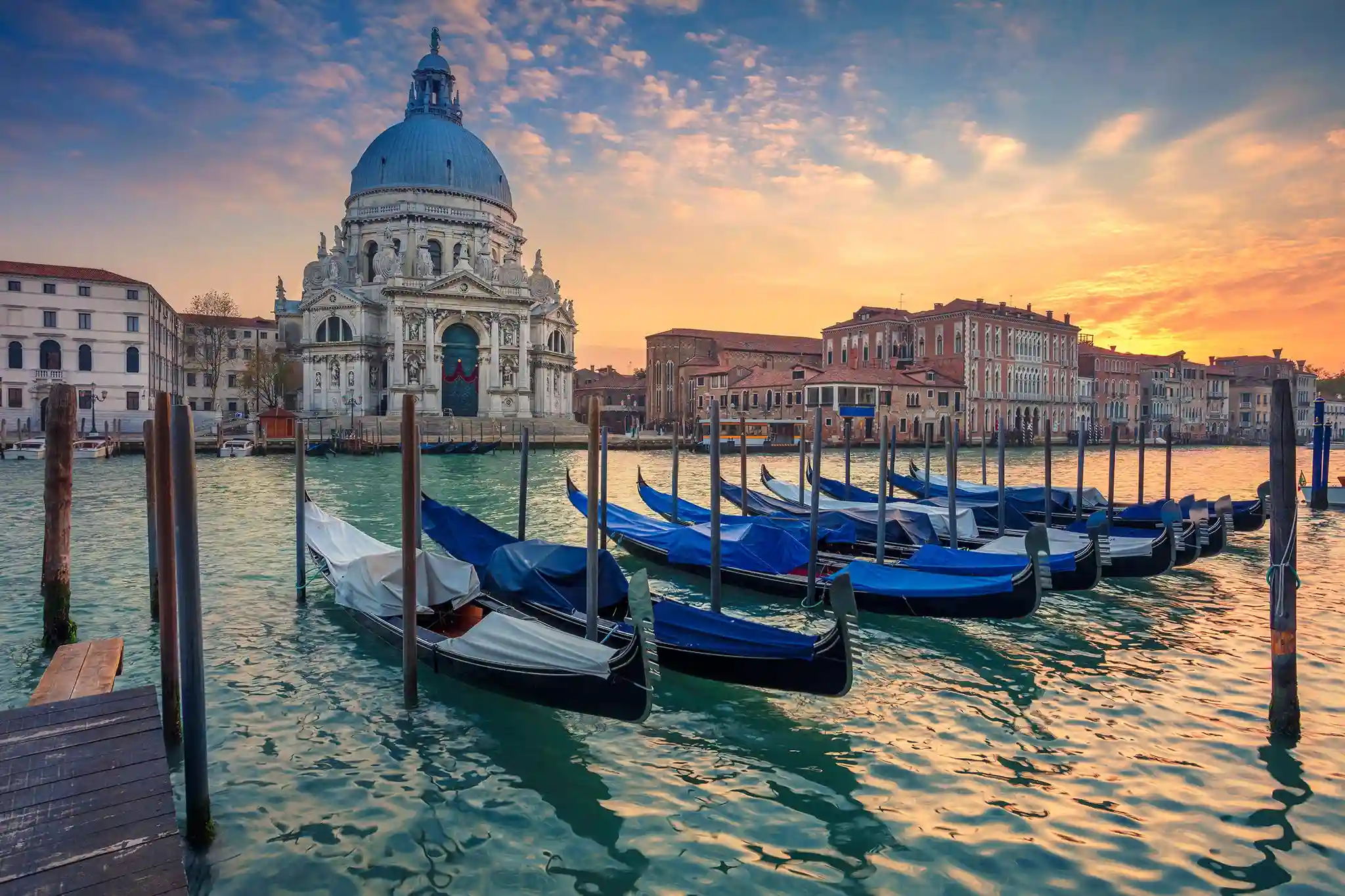
Understanding Venice’s Neighbourhoods
Venice is divided into six main sestieri: San Marco, San Polo, Dorsoduro, Castello, Cannaregio, and Santa Croce. Each one dates back centuries and still follows its own numbering system, which is why addresses in Venice can sometimes feel confusing.
What makes Venice special is how different each neighbourhood feels. Some are packed with iconic landmarks and tourists, while others are quiet, residential, and much more local. The key to enjoying Venice is finding a balance between the two.
San Marco – The Heart of Venice
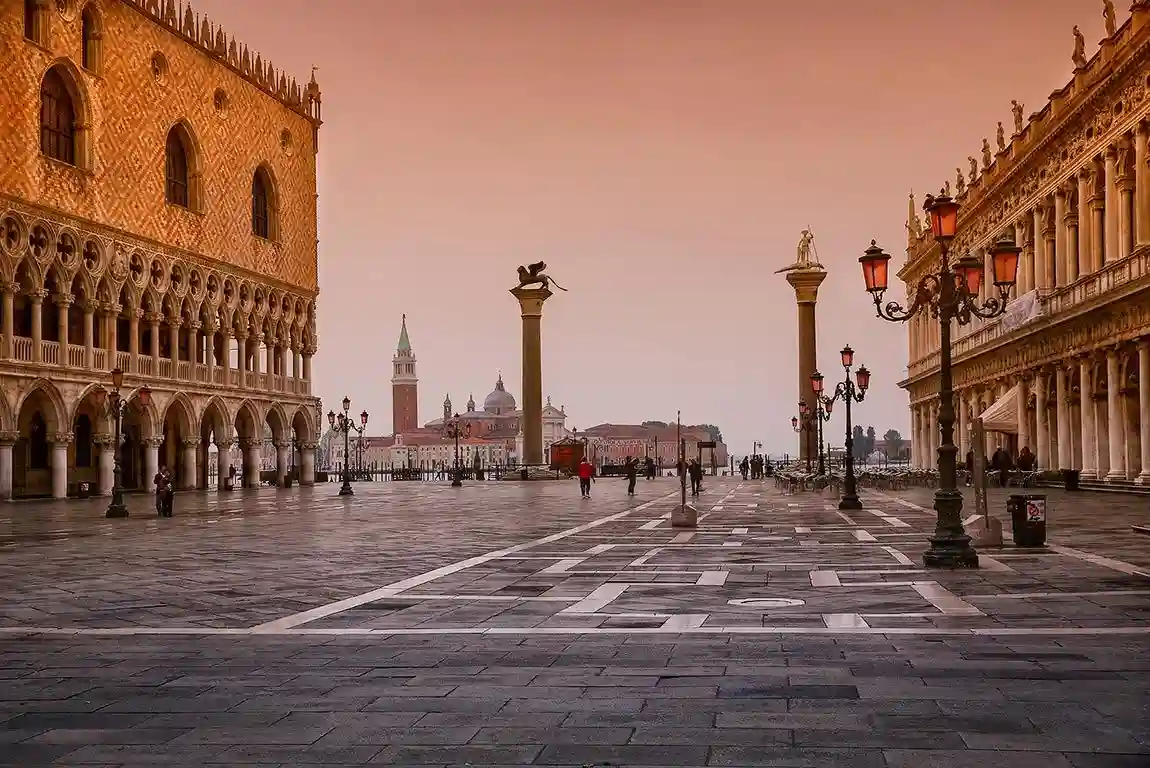
San Marco is the most famous neighbourhood in Venice—and for many travellers, it’s where their journey begins.
This is the Venice you’ve seen in photos. The area is home to some of the city’s most iconic landmarks, including St Mark’s Square, the Doge’s Palace, and St Mark’s Basilica. Walking through San Marco feels like stepping into a living museum, with grand architecture and centuries of history around every corner.
It’s also one of the busiest areas in the city, especially during peak season. But despite the crowds, it’s an essential part of any first visit.
Take your time wandering through the narrow streets, stopping at historic cafés like Caffè Florian, one of the oldest coffee houses in the world. For shopping, Calle Larga XXII Marzo offers a more upscale experience with designer stores and boutiques.
If you’re planning to stay here, expect higher prices—but also unbeatable views and convenience. This is where you’ll find some of Venice’s most luxurious hotels, making it ideal if you want to be right in the centre of everything.
Dorsoduro and Giudecca – Art, Culture, and a Slower Pace
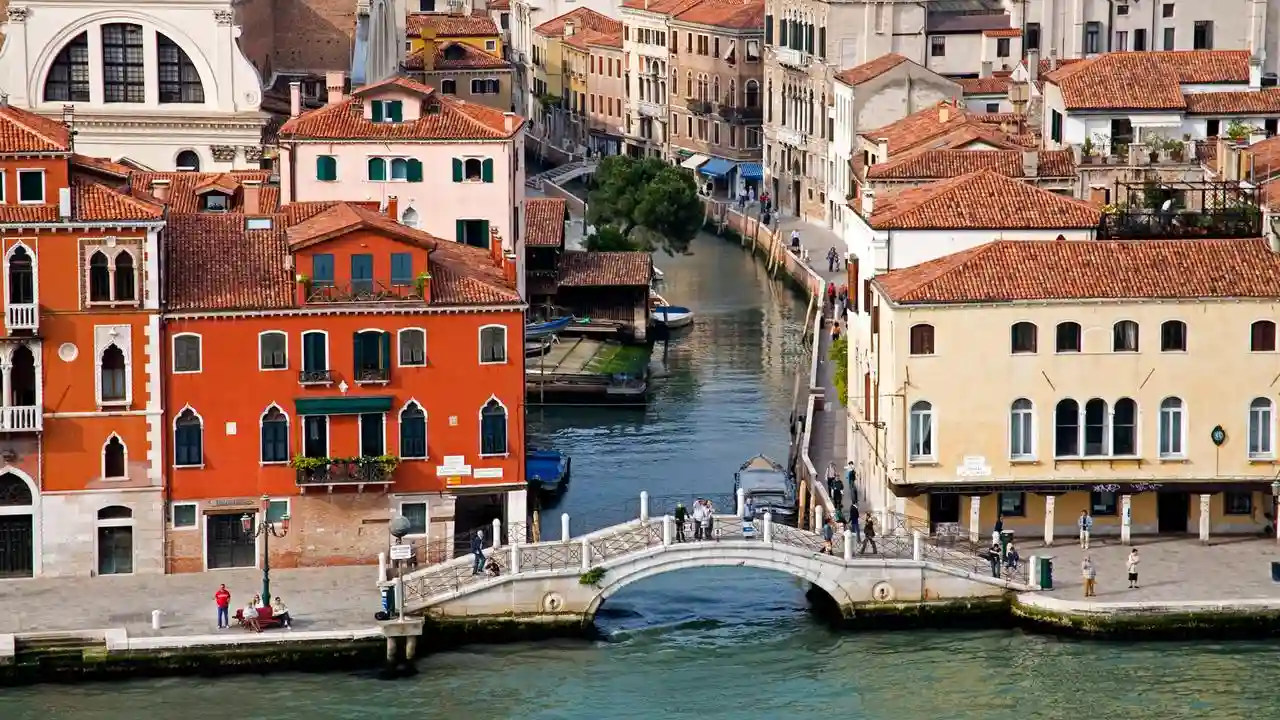
If San Marco feels intense, Dorsoduro offers a welcome contrast. Located in the southern part of Venice, this neighbourhood is known for its artistic atmosphere, university vibe, and slightly more relaxed energy.
Dorsoduro is home to some of Venice’s best museums and galleries, including the Peggy Guggenheim Collection and Punta della Dogana. It’s also where you’ll find Ca’ Foscari University, which gives the area a younger, more local feel.
The streets here are quieter, the crowds are thinner, and it’s easier to experience a more authentic side of Venice.
Just across the water lies Giudecca, a separate island that feels even more removed from the tourist crowds. Once considered a rougher area, it has transformed into a peaceful, residential neighbourhood with stunning waterfront views.
Giudecca is perfect if you want to escape the chaos of central Venice while still being just a short boat ride away. It’s also home to some incredible luxury hotels, making it a great option for a quieter, more exclusive stay.
San Polo – Small but Full of Character
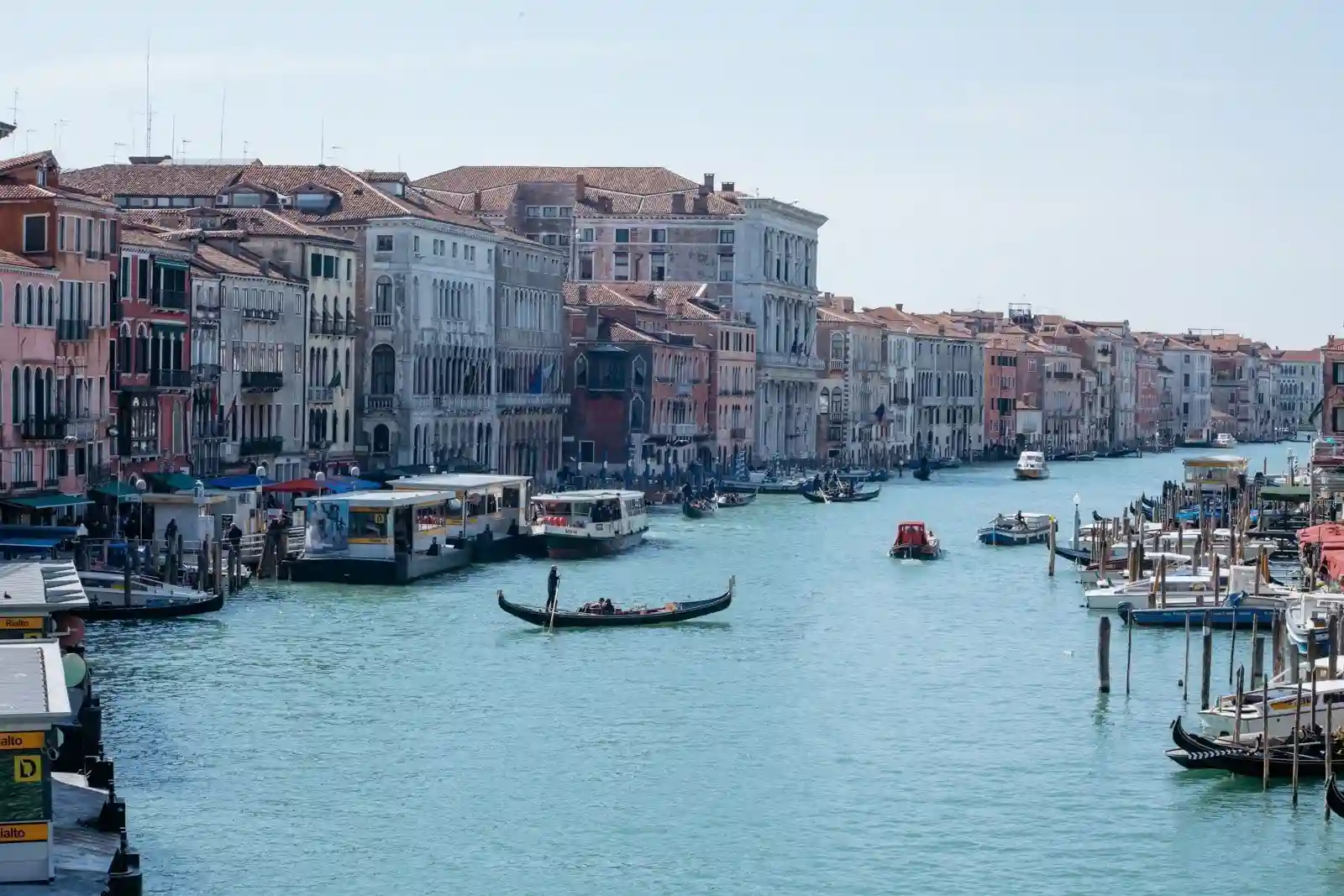
San Polo may be the smallest of Venice’s neighbourhoods, but it’s packed with character and history.
Located just across the Grand Canal from San Marco, it’s best known for the Rialto Bridge and the bustling Rialto Market. This is one of the oldest parts of Venice and still feels like the city’s commercial heart.
Walking through San Polo, you’ll find narrow alleyways, hidden squares, and a mix of local shops and traditional restaurants. It’s a great place to wander without a plan and discover Venice at your own pace.
The Rialto Market is a highlight, especially in the morning when locals come to buy fresh produce and seafood. It’s one of the best places to experience everyday Venetian life.
San Polo is also a great option for accommodation if you want to stay central without the intensity of San Marco. It offers a slightly quieter atmosphere while still being within walking distance of major attractions.
Cannaregio – A Hidden Gem Worth Exploring
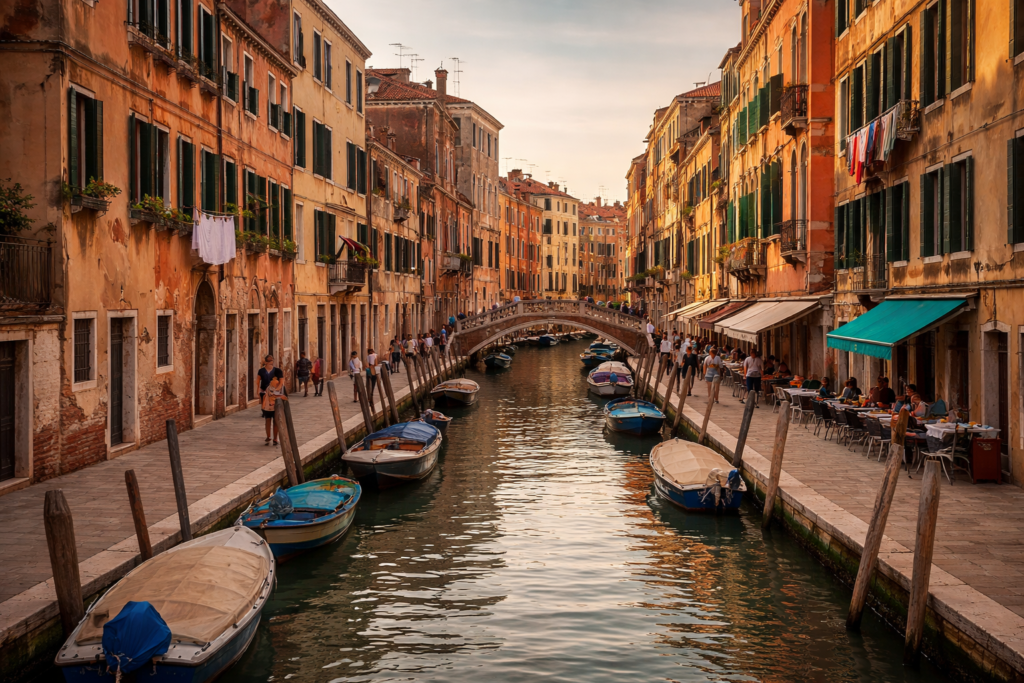
Cannaregio is often overlooked by first-time visitors, but it’s one of the most rewarding neighbourhoods to explore.
Located in the north of Venice, it’s home to the historic Jewish Ghetto, one of the oldest in the world. This area is rich in history and offers a quieter, more reflective atmosphere compared to the busier parts of the city.
Cannaregio is also where you’ll find some of the best local food in Venice. The restaurants here tend to be less touristy and more authentic, making it a great place to try traditional Venetian dishes.
It’s also one of the more affordable areas to stay, which makes it a popular choice for travellers looking to balance location and budget.
Castello – Local Venice Without the Crowds
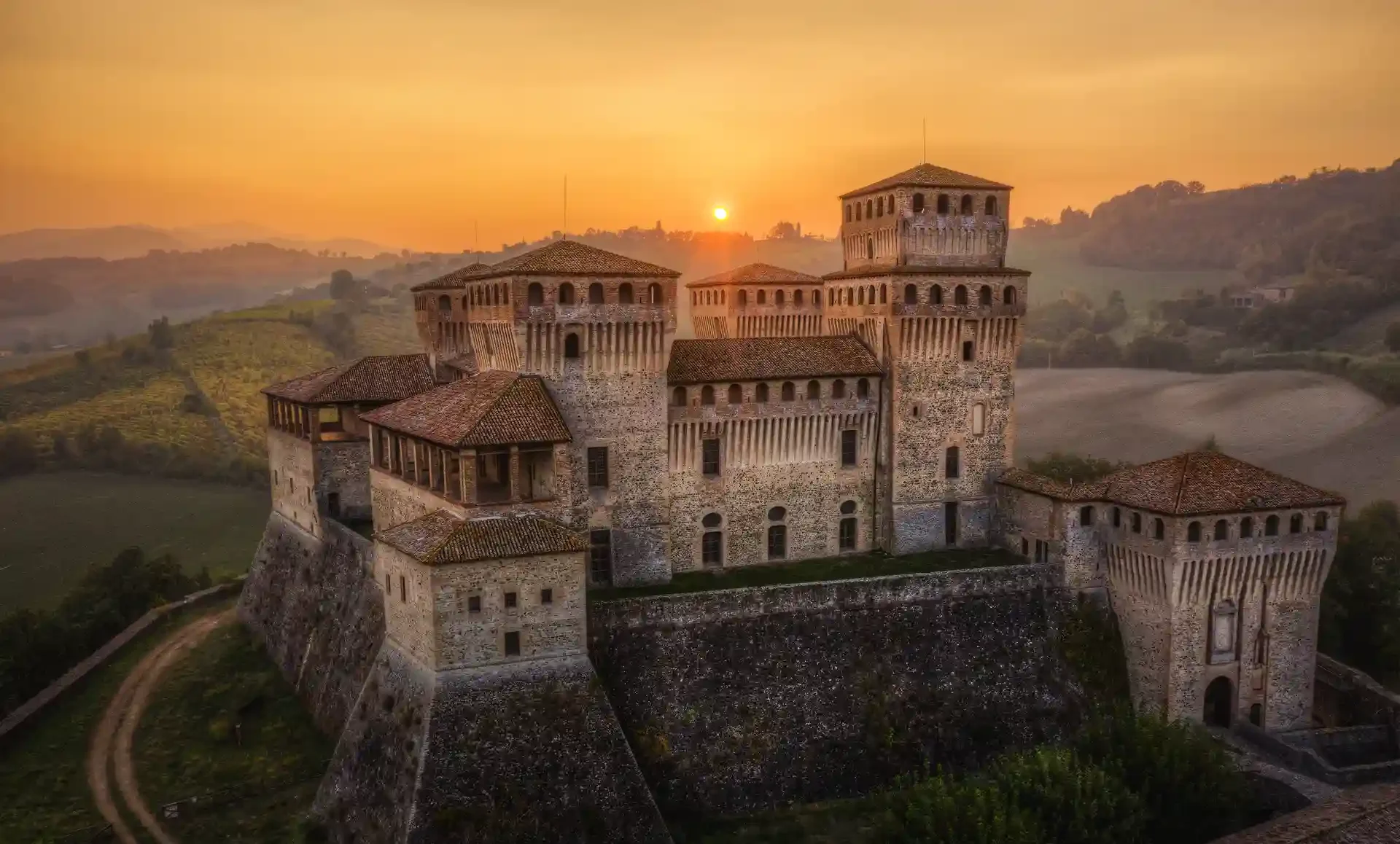
Castello is the largest neighbourhood in Venice—and one of the most underrated.
Located to the east of San Marco, it feels noticeably quieter and more local. This is where you’ll start to see a different side of Venice, away from the main tourist routes.
One of the highlights here is the Giardini della Biennale, a large park that hosts the famous Venice Biennale art exhibition. The Arsenale, a historic shipyard, is another important landmark that reflects Venice’s maritime past.
Walking through Castello, you’ll find local markets, small cafes, and a slower pace of life. Via Garibaldi, one of the widest streets in Venice, is a great place to explore in the evening when locals come out to eat and socialise.
If you’re looking for a more authentic experience, Castello is one of the best places to stay. It offers a glimpse into everyday life in Venice while still being close enough to the main sights.
Santa Croce – The Gateway to Venice
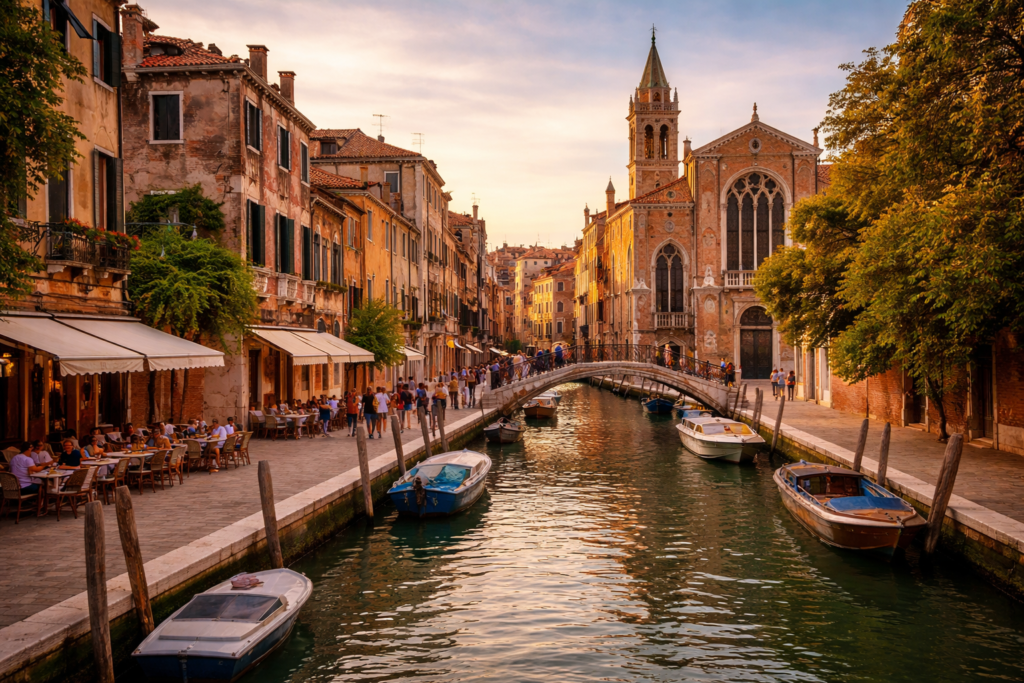
Santa Croce is often the first neighbourhood visitors see, as it’s where many arrive by bus or car. While it’s not as visually striking as other parts of Venice, it has its own charm.
This area is less crowded and more residential, making it a good option if you want a quieter base. It’s also one of the easiest places to access, which can be helpful if you’re travelling with luggage.
While you won’t find as many major attractions here, Santa Croce is a great place to experience a slower, more local side of Venice.
How to Choose the Best Area to Stay
Choosing where to stay in Venice depends on your travel style and priorities.
If it’s your first time visiting, staying near San Marco or San Polo makes exploring the main sights much easier. You’ll be within walking distance of most attractions and won’t need to rely as much on water transport.
If you prefer something quieter and more local, Dorsoduro, Castello, or Cannaregio are excellent choices. These areas offer a more relaxed atmosphere while still giving you access to everything Venice has to offer.
For a more unique or luxurious experience, consider staying somewhere like Giudecca or exploring high-end stays. You will find great deals in the various regions below.
Planning Your Venice Itinerary
Venice is a city that rewards slow travel. Instead of trying to see everything in one day, give yourself time to explore different neighbourhoods at your own pace.
Start with the major landmarks in San Marco, then branch out into quieter areas like Dorsoduro or Castello. Take time to get lost in the streets, stop at local cafes, and enjoy the atmosphere.
If you enjoy visually stunning destinations, Venice pairs well with other aesthetic travel spots. In fact, if you loved planning visually-driven itineraries, you might also enjoy my guide to the Most Beautiful & Aesthetic Places in Bali You Can’t Miss for a completely different kind of scenery.
Final Thoughts
Venice is more than just a city—it’s a collection of neighbourhoods, each with its own story to tell.
From the iconic landmarks of San Marco to the quiet streets of Castello and the artistic energy of Dorsoduro, every part of Venice offers something unique. The key is not just to see the city, but to experience it fully by exploring beyond the obvious.
Take the time to plan your trip, compare cheap flights to Venice, and choose a neighbourhood that matches your travel style.
Once you arrive, you’ll quickly realise that Venice isn’t just about ticking off landmarks—it’s about getting lost, slowing down, and discovering something unexpected around every corner.
If you enjoyed this you may also like:
Epic Path of the Gods Italy (Sentiero degli Dei) — 2026 Guide, Routes & When to Go
Why Opera in Verona Italy Is a Must-Do for Tourists?