






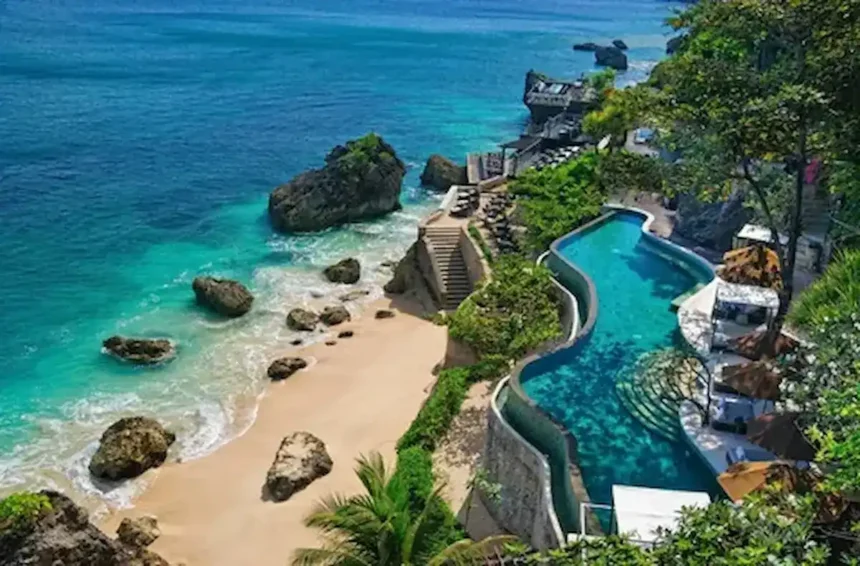
Bali is one of the most breathtaking and best-loved destinations in the world—and it’s easy to see why. This Indonesian island blends luxury with affordability, offering everything from jungle retreats and iconic rice terraces to world-class beaches and unforgettable resorts.
Whether you’re planning a honeymoon, a solo adventure, or a long-awaited tropical escape, Bali delivers a travel experience that feels both indulgent and accessible. With millions of visitors arriving each year, it remains one of Southeast Asia’s most popular destinations—and once you visit, you’ll understand exactly why people keep coming back.
This Bali travel guide for 2026 covers everything you need to know before you go, including where Bali is, the best things to do, when to visit, how much it costs, and practical travel tips to help you make the most of your trip.
Where is Bali Located?
Bali is a tropical island in Indonesia, located between Java and Lombok in Southeast Asia. It forms part of the Lesser Sunda Islands, a chain that also includes Flores, Sumba, and Timor, all surrounded by the Indian Ocean.
Despite being relatively small, Bali is incredibly diverse. Within just a few hours of travelling, you can go from volcanic mountains and lush jungles to white sand beaches and dramatic coastal cliffs. Just off the southeast coast, you’ll also find Nusa Penida and Nusa Lembongan—two smaller islands known for their rugged landscapes, turquoise waters, and quieter atmosphere compared to mainland Bali.
Things to Do in Bali
One of the reasons Bali is so popular is the sheer variety of experiences it offers. Whether you’re here for adventure, culture, food, or relaxation, there’s always something to do.
For many travellers, the journey begins at the beach. Kuta is one of the most famous coastal areas and has been attracting surfers since the 1960s. It’s particularly popular with beginners thanks to its consistent, manageable waves. If you’re more experienced, Uluwatu offers more challenging surf breaks along with some of the most dramatic coastal views on the island.
Beyond surfing, Bali is also a fantastic destination for diving and snorkelling. The island is surrounded by coral reefs and marine life, with popular dive sites offering the chance to see everything from colourful tropical fish to sea turtles. It’s one of the best ways to experience a completely different side of Bali.
If you head inland, the atmosphere changes completely. Ubud is widely considered the cultural heart of Bali, surrounded by rice terraces, jungle landscapes, and traditional villages. It’s the perfect place to slow down, explore temples, and experience Balinese culture. You’ll also find some of the island’s most unique accommodation here, including luxury jungle retreats like those featured in my guide to The Kayon Jungle Resort where we spent time during our honeymoon.
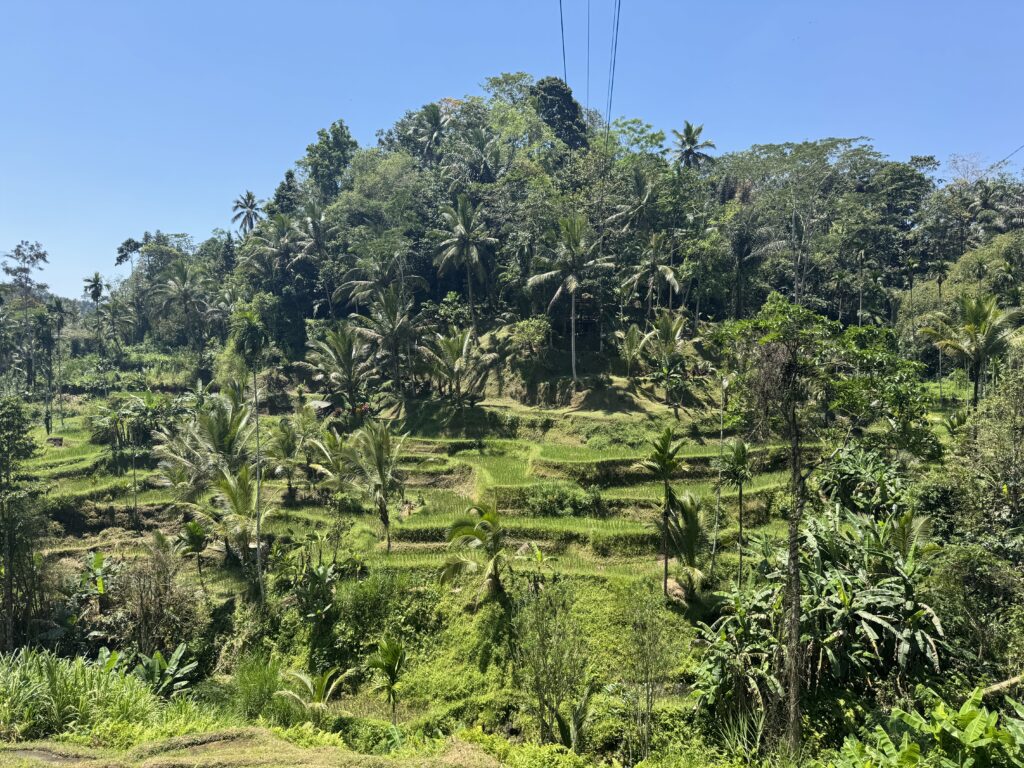
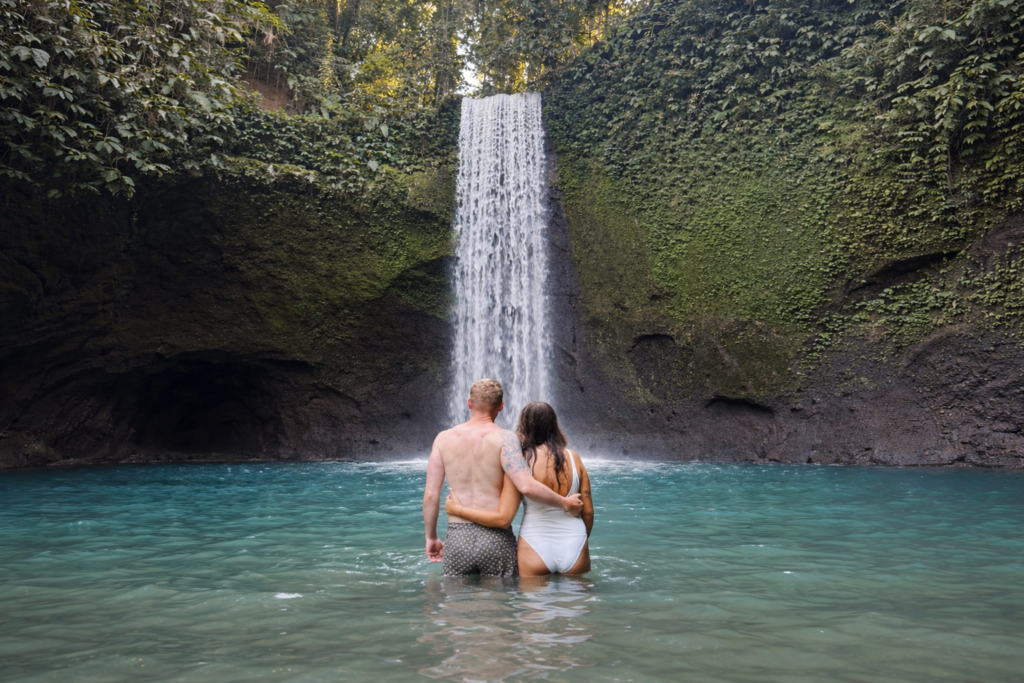
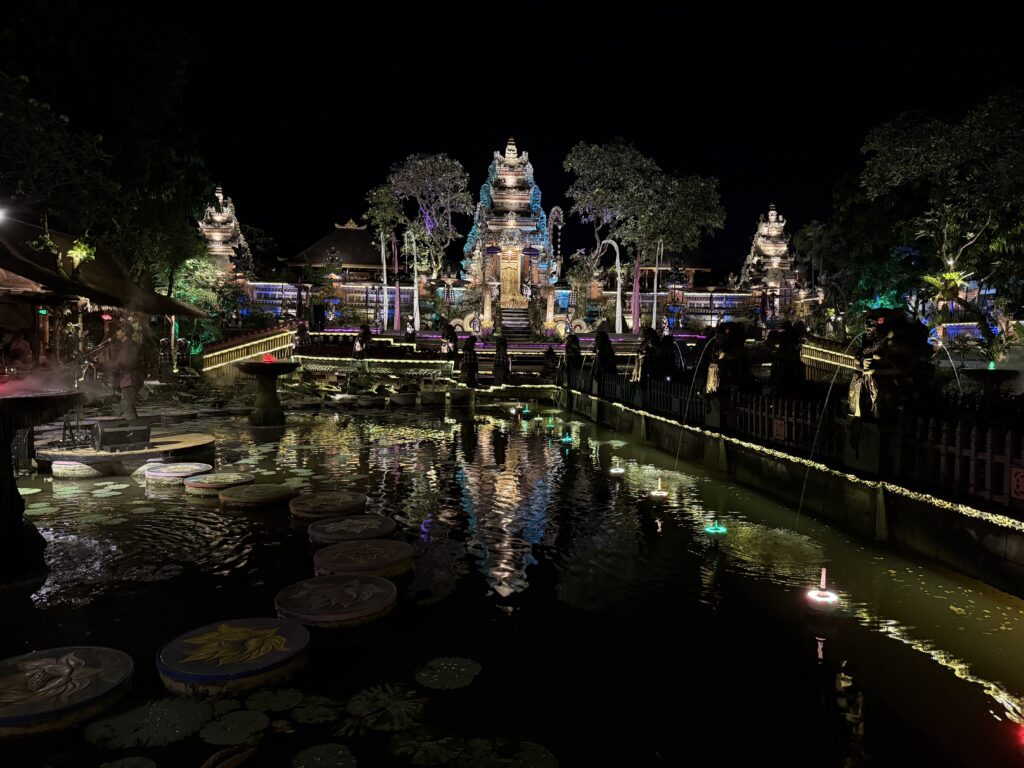
Bali is also known for its picture-perfect locations. From hidden waterfalls and ancient temples to cliffside viewpoints and beach clubs, there’s no shortage of stunning places to explore. If you’re planning your itinerary, I’ve put together a full guide to the 17 Most Beautiful & Aesthetic Places in Bali You Can’t Miss, which covers the absolute highlights.
Of course, not every moment in Bali needs to be spent exploring. One of the best parts of visiting is simply slowing down. Whether that means spending a day at a beach club in Seminyak, watching the sunset in Canggu, or enjoying a traditional Balinese massage, the island makes it incredibly easy to relax.
How to Get to Bali
Bali is served by Ngurah Rai International Airport (DPS), located near Denpasar in the south of the island. It’s one of the busiest airports in Indonesia and is well connected to major cities around the world.
Most travellers will need to take a connecting flight, with common layovers in places like Singapore, Doha, or Dubai. Flight times will vary depending on where you’re travelling from, but it’s worth planning ahead to find the best routes.
If you’re organising your trip, it’s always a good idea to compare cheap flights to Bali early. Prices can vary significantly depending on the season, and booking in advance usually helps secure the best deals—especially if you’re travelling during peak months.
Best Time to Visit Bali
Bali has a warm, tropical climate all year round, so there’s never really a bad time to visit. However, the overall experience can change depending on the season.
The dry season, from April to October, is generally considered the best time to visit. During these months, you can expect sunny days, lower humidity, and ideal conditions for beaches, hiking, and outdoor activities. It’s also when Bali is at its busiest, particularly between June and August when tourists from Europe and other regions arrive in large numbers.
The rainy season runs from November to March. While this brings more frequent rainfall, it doesn’t usually mean constant rain all day. Showers are often short and heavy, followed by clear skies. Travelling during this time can mean fewer crowds, lower prices, and a more relaxed atmosphere overall.
If you’re looking for the best balance, the shoulder months—May, September, and October—are often ideal. You’ll still get great weather but without the peak season crowds.
How Much Does a Trip to Bali Cost?
Bali is one of those rare destinations where you can tailor your experience to almost any budget. Whether you’re backpacking or booking five-star resorts, there’s something here for everyone.
Accommodation is one of the biggest variables. Budget travellers can find hostels and guesthouses for as little as $5–$15 per night, while mid-range hotels typically range from $25–$60. Private villas with pools are surprisingly affordable and often start at around $30 per night, making luxury feel much more accessible than in many other destinations.
At the higher end, Bali is home to some of the most impressive resorts in the world. If you’re looking for something special, my full review of The Apurva Kempinski Resort gives a closer look at one of the island’s most luxurious stays.
Food in Bali is another highlight. Local dishes are incredibly affordable, often costing just a few dollars, while Western meals in more upscale restaurants remain reasonably priced compared to Europe or the US.
In terms of daily spending, budget travellers can expect to spend around $20–$40 per day, mid-range travellers around $60–$130, and luxury travellers significantly more depending on their choices.
Where to Stay in Bali
Choosing where to stay in Bali can have a big impact on your overall experience, as each area offers something slightly different.
Ubud is ideal if you’re looking for a more peaceful, nature-focused stay surrounded by jungle and rice fields. It’s perfect for wellness retreats, cultural experiences, and slower travel.
Seminyak offers a more upscale coastal experience, with stylish beach clubs, high-end restaurants, and boutique hotels. It’s a great choice if you want a balance of relaxation and nightlife.
Canggu has become one of Bali’s trendiest areas, known for its surf culture, cafes, and digital nomad scene. It has a more laid-back vibe but still offers plenty to do.
Uluwatu is famous for its cliffs, luxury resorts, and quieter beaches, while Nusa Penida is ideal if you’re looking to escape the crowds and experience something a little more raw and untouched.
Travel Tips for Bali
Travelling in Bali is relatively straightforward, but a little preparation goes a long way. Traffic can be heavy, especially in popular areas, so it’s always worth allowing extra time to get around.
Ride-hailing apps are widely used and often more reliable than traditional taxis. If you’re planning to explore independently, renting a scooter is popular, but it’s important to be confident and cautious on the roads.
Respecting local culture is also essential. When visiting temples, dress modestly and follow local customs. Bali is incredibly welcoming, and showing respect will always enhance your experience.
It’s also recommended to stick to bottled or filtered water and to use ATMs located at banks for added security. Learning a few basic Indonesian phrases can also make a big difference when interacting with locals.
FAQ About Visiting Bali
Is Bali expensive to visit?
Bali can suit almost any budget. Backpackers can travel comfortably on $20–$40 per day, while luxury travellers can spend significantly more on high-end villas and resorts.
How many days do you need in Bali?
Around 7–10 days is ideal for a first visit, giving you enough time to explore different areas without feeling rushed. If you want to visit nearby islands or travel at a slower pace, two weeks is even better.
What is the best area to stay in Bali?
It depends on your travel style. Ubud is perfect for nature and culture, Seminyak for a more upscale beach experience, and Canggu for a relaxed, social atmosphere. We recommend splitting your time.
When is the best time to visit Bali?
The dry season from April to October offers the best weather, but shoulder months like May and September are often the best overall times to visit.
Is Bali worth visiting in 2026?
Absolutely. Bali continues to evolve while maintaining its natural beauty and cultural charm, making it one of the most rewarding destinations to visit.
Final Thoughts
Bali is one of those destinations that truly lives up to the hype. Whether you’re chasing waterfalls, exploring temples, staying in a jungle villa, or relaxing by the beach, it offers a travel experience that’s both diverse and unforgettable.
Take the time to plan your trip properly, book your cheap flights to Bali in advance, and build an itinerary that mixes adventure with downtime. Once you arrive, you’ll quickly see why Bali remains one of the most iconic travel destinations in the world.
• Try to exchange some local money and do not panic at ATM or local money exchanger